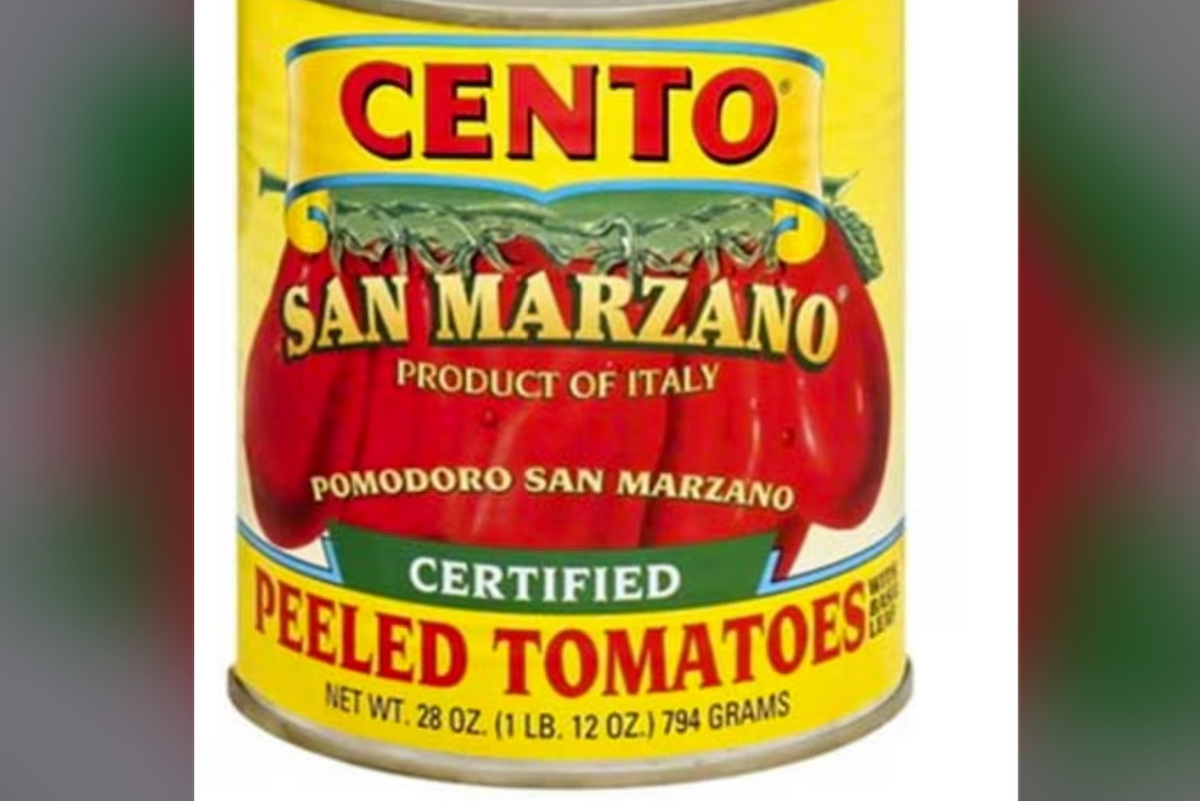
You're standing in the grocery aisle, looking at a wall of red cans. You reach for the one labeled "Certified San Marzano" because you want that sweet, low-acid magic for your Sunday gravy. You pay $6 or $7 for it—double the price of the generic stuff—because you trust that label. But a massive legal battle in California is currently alleging that one of America’s most popular Italian food brands, Cento Fine Foods, has been selling you a story rather than the real deal.
This isn't just about picky chefs arguing over fruit. It's a $25 million class-action lawsuit that hits at the heart of how food is marketed in the U.S. The plaintiffs claim Cento is committing "tomato fraud" by using labels that scream authenticity while lacking the official stamps that actually prove it. For a different perspective, check out: this related article.
The San Marzano gold standard is under fire
If you're serious about cooking, you know the San Marzano isn't just a tomato; it's a pedigree. Authentic ones are grown in the volcanic soil of the Agro Sarnese-Nocerino region near Mount Vesuvius. They have a specific elongated shape, a thick wall, and almost no seeds. In the European Union, this is protected by a D.O.P. (Denominazione d'Origine Protetta) seal.
The lawsuit filed this week argues that Cento’s labeling gives shoppers the "erroneous impression" that they're buying D.O.P. certified tomatoes. Without that official seal from the Italian consortium, the lawsuit claims the quality and taste don't match the premium price. Further reporting on this matter has been published by Al Jazeera.
I’ve seen this play out before. Cento isn't some fly-by-night operation; they're huge. They claim their tomatoes are grown in the right region and processed correctly, but they stopped seeking the official consortium certification years ago. Why? They say it’s because of annoying labeling requirements. The lawsuit says it's because they can’t actually meet the strict standards required for the real seal.
What makes a tomato "fake" anyway
The term "tomato fraud" sounds dramatic, but it's legally complicated. There's a big difference between a tomato that is a San Marzano seed variety and a tomato that is an official San Marzano D.O.P. product.
- The Variety: You can grow San Marzano seeds in your backyard in New Jersey. It'll be a San Marzano tomato by DNA, but it won't have the flavor profile of the Italian volcanic soil.
- The Region: Some brands grow tomatoes in Italy but outside the tiny, protected zone. They're "Italian tomatoes," sure, but they aren't the specific heritage product people pay extra for.
- The Certification: The D.O.P. seal requires a specific serial number on every can. If that’s missing, you're basically taking the brand's word for it.
Cento uses a third-party agency called Agri-Cert to verify their quality. They've even won a similar case in New York back in 2020. A judge there basically said a "reasonable consumer" wouldn't necessarily demand a specific consortium's stamp as long as the product is high quality. But the new California filing is pushing back hard on that logic. It argues that the imagery and wording on the cans are designed to trick you into thinking you're getting the world-class, regulated version.
Stop overpaying for marketing
Honestly, the food industry is full of this kind of "Italian-sounding" fluff. We see it with olive oil, parmesan cheese, and now canned veg. If you’re tired of being a pawn in these branding wars, you need to look past the pretty pictures of Vesuvius on the label.
If you want the real thing, you have to look for two specific things on the can. First, the D.O.P. seal (a sun-like circle in red and yellow). Second, a Consorzio identification number. If those aren't there, you're just buying a regular plum tomato with an expensive outfit on.
Is the Cento tomato bad? Probably not. It's a solid product. But is it worth the $2 or $3 "authenticity tax" if it isn't actually certified by the people who guard the San Marzano name? That’s for you—and now a California judge—to decide.
How to spot a genuine can tomorrow
Don't let the legal jargon confuse you. Next time you're at the store, ignore the words "Certified" or "Authentic" written in fancy script. Those aren't regulated terms.
- Flip the can: Look for the official European Union D.O.P. logo.
- Check the region: It should specifically mention the Sarnese-Nocerino area.
- Trace the code: Real San Marzano cans usually have a stamped sequence that tracks back to the producer.
If you don't see those markings, put the can back. You can get high-quality California-grown tomatoes (like Bianco DiNapoli) that often taste better than "fake" Italian imports anyway. Stop paying for a pedigree that the manufacturer won't even prove. Stick to brands that are transparent about their sourcing, or just buy the cheap stuff and add a pinch of sugar to cut the acid yourself.