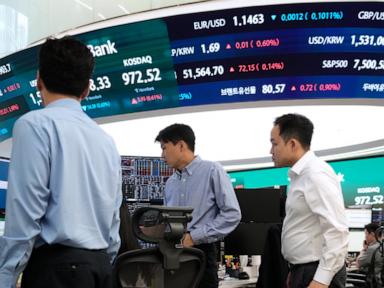
Global equity markets are sliding as diplomatic breakthrough whispers from Vienna catch investors off guard. While casual observers might expect a reduction in geopolitical friction to spark a market rally, the reality on trading floors is starkly different. US stock futures are dropping, and European indexes are showing deep fragmentation. The mechanism driving this downturn is simple. A diplomatic resolution means Iranian oil returns to a highly sensitive global market.
For months, Wall Street has priced in a structural deficit in energy supplies. Crude prices have hovered at premiums that insulated energy stocks and provided a predictable hedge against broader inflationary pressures. Suddenly, that calculus is shifting. The prospect of more than one million barrels per day of Iranian crude hitting the water within months is forcing a rapid reassessment of corporate earnings, inflation trajectories, and central bank policies.
The Oil Overhang Crushing Market Sentiment
Energy markets do not wait for ink to dry on treaties. They trade on anticipation. The immediate drop in US stock futures reflects a massive unwinding of the "geopolitical risk premium" that has propped up oil majors for the better part of a year. When energy stocks drop, they drag major indexes down with them.
But the impact goes far deeper than the balance sheets of Exxon or Chevron. The global economy has been trapped in a high-interest-rate cycle designed to cool inflation. Cheap oil could theoretically lower CPI numbers, which sounds positive. However, institutional capital sees a different threat. A sudden collapse in energy prices signals a deflationary shock to capital expenditures in the domestic energy sector, a major driver of US manufacturing growth.
Furthermore, the timing could not be worse for European equities. Continental indexes are already struggling with weak industrial output and fragile consumer confidence. A shifting energy landscape introduces volatility at a moment when stability is desperately required. Traders are dumping riskier equities and retreating to cash, creating a fragmented global market where only defensive utilities and specialized tech firms are finding buyers.
The Mechanics of the Iranian Supply Surge
Understanding how quickly this oil can hit the market explains the sudden anxiety in US futures. Iran has tens of millions of barrels of crude sitting in floating storage aboard tankers in the Persian Gulf and Asian waters. This is not oil that needs to be pumped out of the ground through newly drilled wells. It is already extracted, refined to market standards, and ready for delivery.
Once sanctions are formally eased, this floating inventory can be mobilized almost instantly. This immediate supply dump would be followed by a steady ramp-up of domestic production. Within six months, Iran could realistically restore its output to its full capacity. OPEC+ is already struggling to maintain production discipline among its members. The introduction of a massive, un-quotaed volume of Iranian crude threatens to break the cartel’s grip on pricing entirely.
Why Wall Street Fears a Diplomatic Success
The financial world often views peace through a cold, mathematical lens. Geopolitical tension creates predictable winners. Defense contractors, commodity exporters, and safe-haven assets thrive during friction. Diplomacy introduces an entirely new set of variables that algorithmic trading systems are not fully optimized to handle.
Consider the bond market. Yields are fluctuating wildly because fixed-income traders are trying to guess how the Federal Reserve will interpret a sharp drop in energy costs. If oil falls too fast, it could trigger a rapid unwinding of energy-focused corporate debt. High-yield bonds issued by domestic shale producers are particularly vulnerable. These companies require oil to stay above specific price floors to service their massive leverage. If those floors collapse, credit markets freeze.
The Ripple Effect on Emerging Markets
While Washington and New York react to futures contracts, emerging markets are facing a completely different structural crisis. Countries that rely heavily on oil exports, such as Nigeria and Brazil, are seeing their currencies weaken against the US dollar in anticipation of lower revenues.
Conversely, major energy importers like India and Turkey might find long-term relief, but the short-term capital flight from emerging market funds is wiping out those prospective gains. Capital is moving back to the safety of US Treasuries, even as US equity markets decline. It is a classic risk-off rotation triggered not by the threat of war, but by the threat of an uncontrolled economic realignment.
The Overlooked Corporate Debt Trap
The real vulnerability in the current market drop lies in the corporate debt structure of middle-market energy service companies. Over the last two years, these firms borrowed heavily to expand capacity, betting that global supply would remain constrained indefinitely.
If crude prices drop significantly due to an influx of Iranian supply, these service providers will be the first to lose their contracts. Major exploration firms will cut capital expenditure instantly to protect their dividends. The service companies will be left holding expensive equipment and unserviceable debt. Banks holding these loans will face rising non-performing asset ratios, dragging down regional banking stocks and further suppressing major stock indexes.
This is why US futures are falling ahead of the cash market open. Institutional investors are calculating the exact exposure of regional banks to the domestic oil patch. They are selling equities now to avoid being caught in a localized credit squeeze later.
Moving Capital in a Fragmented Market
Relying on traditional hedges is no longer working. Gold, usually a beneficiary of geopolitical tension, is trading flat as investors prioritize liquidity over physical assets. The classic relationship between stocks and bonds is breaking down under the weight of shifting central bank expectations.
Investors are forced to look at companies with pricing power that do not rely on raw commodity inputs. Tech sectors focused on enterprise software, defensive consumer staples with sticky customer bases, and specialized infrastructure providers are the only areas showing resilience. The broader market indexes will likely remain suppressed until the exact terms of the diplomatic progress are transparent and the energy market finds its new equilibrium floor.