The tension between surface ownership and subterranean wealth has defined the Lone Star State for more than a century. When a Texas court hands down a ruling that allows an oil operator to cross private land despite intense resistance from ranchers, it represents more than a local dispute over acreage. It exposes the structural fault lines of property law where surface rights take a back seat to the dominant mineral estate.
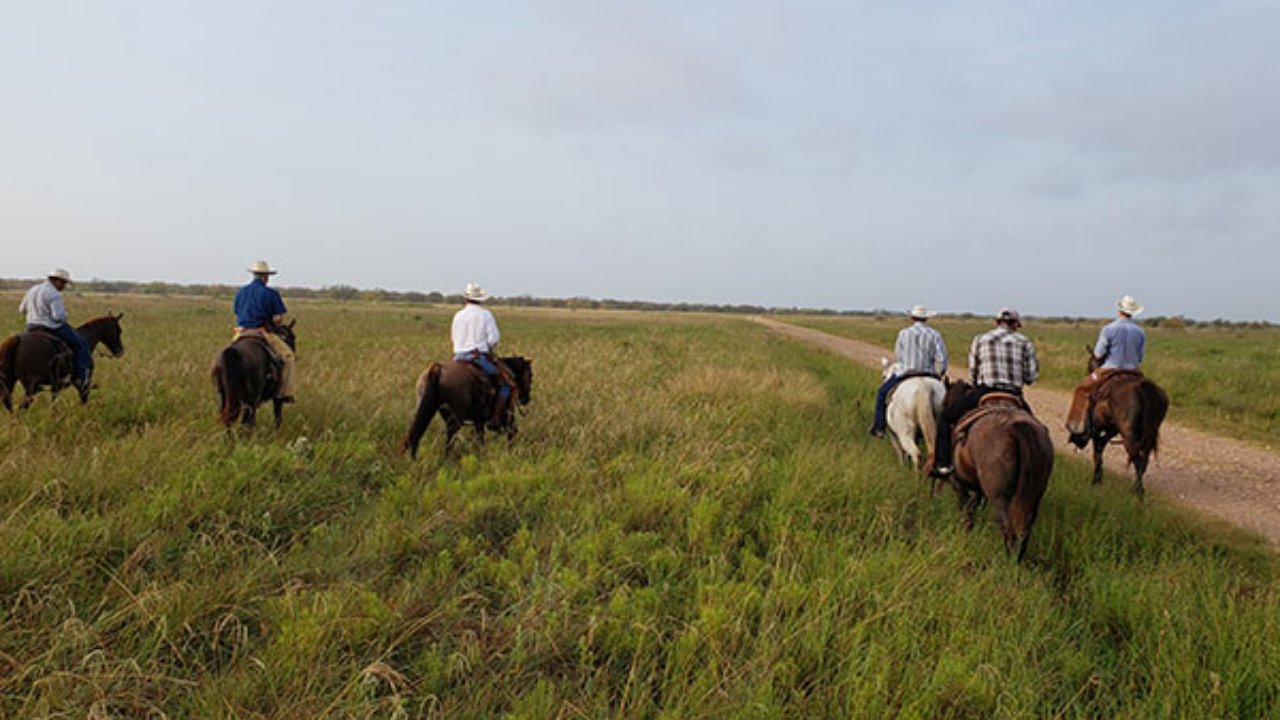
Back in 2004, a standoff over 1,604 acres of Texas ranchland signaled a brewing war between agricultural operators and energy firms. Ranchers attempted to block well operators from accessing portions of their property, arguing that heavy industrial traffic, pipeline construction, and drilling rigs disrupted livestock operations and degraded the soil. The legal battle that followed did not favor the surface owners. Under long-standing legal doctrine, the mineral estate holds the dominant position. The company with the right to extract oil and gas possesses an implied right to use as much of the surface as reasonably necessary to reach those resources. Read more on a related issue: this related article.
Understanding this legal framework requires looking past the romantic imagery of the independent Texas rancher. For generations, land grants and severed deeds separated the dirt from the oil beneath it. A landowner might own thousands of acres of grassland and cattle, yet own zero percent of the hydrocarbons locked thousands of feet below the topsoil. When an energy company acquires leaseholds from mineral owners, they inherit a legal key that unlocks the surface, regardless of the surface owner's objections.
The Mechanics of the Dominant Estate
The legal mechanism governing these conflicts is known as the accommodation doctrine. Established by the Texas Supreme Court decades ago, this principle attempts to balance the rights of the mineral lessee against the rights of the surface owner. More analysis by Reuters Business delves into comparable perspectives on this issue.
However, the burden of proof rests heavily on the surface owner. To successfully block an operator's chosen method of access or drilling location, the rancher must prove three demanding conditions:
- The oil operator's use of the surface completely precludes or substantially impairs the existing surface use.
- There is no reasonable alternative method available to the surface owner that would allow them to continue their operations.
- The mineral operator has available reasonable alternative methods on the leased premises that would allow recovery of the minerals while permitting the surface owner to continue existing use.
Meeting this threshold is exceedingly difficult. In the 2004 dispute over those 1,604 acres, the ranchers could not demonstrate that the energy firm's access plan left them with zero alternatives for running their cattle operation, even though the disruption was severe. Courts routinely rule that inconvenience, aesthetic damage, or financial loss to the surface owner do not constitute total preclusion. If the oil company can drill and transport its product, and the rancher can still theoretically graze a fraction of their herd elsewhere on the tract, the law views the interference as legally acceptable.
Economic Realities and Landowner Leverage
The disparity in economic weight creates an asymmetric playing field. Energy extraction generates billions of dollars in severance taxes, local jobs, and corporate revenues. Agriculture, while foundational to the state's identity, operates on much tighter margins.
When well operators seek access, negotiations typically involve surface use agreements. These private contracts provide compensation to the rancher for roads, well pads, and pipelines. Yet, when negotiations break down and a landowner resorts to physical blocks or outright refusal of entry, the energy company turns to the courts for injunctive relief.
A temporary restraining order or a permanent injunction usually follows swiftly. Judges are bound by decades of stare decisis that protect the extraction industry's right of access. Refusing to allow a mineral lessee onto the property crosses the legal line into tortious interference and trespass, exposing resistant landowners to significant financial liability and legal fees.
The Broader Implications for Rural Texas
As urban sprawl creeps further into rural counties and horizontal drilling techniques require larger multi-well pads, the friction between surface owners and energy developers intensifies. Modern hydraulic fracturing demands immense volumes of water, heavy sand-hauling truck traffic, and a dense network of gathering lines.
Ranchers today face a landscape vastly different from the era of vertical wells and modest pump jacks. A single pad site can now industrialize hundreds of surrounding acres with noise, light pollution, and constant vehicular movement. This industrialization directly impacts property values for agricultural and recreational buyers who value tranquility and pristine ecosystems.
Some landowners have attempted to fight back through proactive estate planning and careful deed restriction drafting. When families sever surface and mineral estates, they occasionally insert specific protective covenants. Yet, courts frequently hold that these private agreements cannot override the inherent legal dominance of the mineral estate unless the mineral owner explicitly waived those rights in the original chain of title.
The reality remains stark. Owning land in Texas means owning a complex bundle of sticks, where the most valuable stick—the right to extract what lies beneath—often belongs to someone else. The courts continue to enforce this hierarchy, ensuring that the wheels of the state's energy engine keep turning, even if they must roll directly across a rancher's pasture to do it.