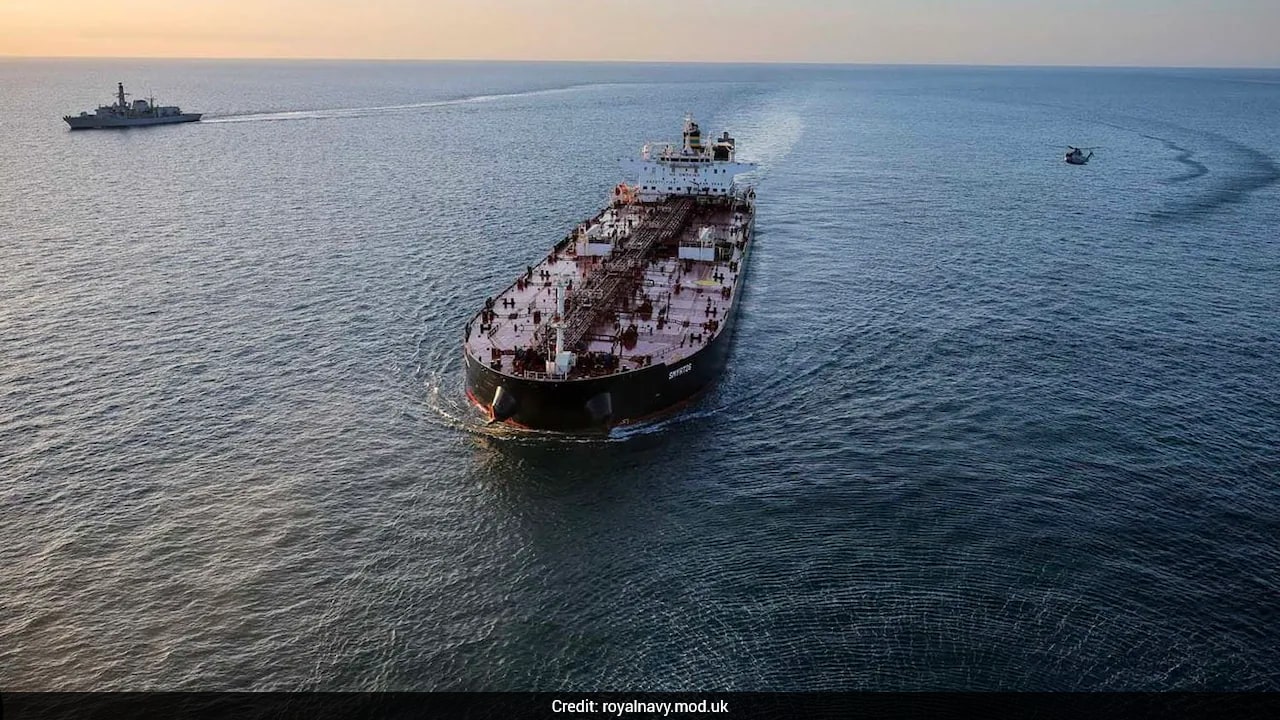
Hundreds of rusting oil tankers are currently moving billions of dollars in Russian crude right past British waters. They do it by playing a high-stakes game of maritime hide-and-seek. When G7 nations slapped a price cap on Russian oil following the invasion of Ukraine, Moscow didn't stop selling. Instead, the Kremlin built an underground armada of aging, poorly insured vessels designed to bypass international law.
If you think stopping these ships is just a matter of the Royal Navy pulling alongside and demanding answers, you are missing the entire trick. The reality on the open ocean is far messier. These ships survive through constant deception, exploiting loopholes in maritime tracking and using forged paperwork that turns sanctioned cargo into ghost shipments.
The Mechanics of Maritime Deception
Let's look at how the machinery actually operates. Ships at sea rely on the Automatic Identification System, or AIS. It transmits a vessel's identity, speed, destination, and coordinates so traffic controllers don't crash massive tankers into container ships.
Shadow fleet operators treat AIS as a toy to be manipulated.
Instead of broadcasting honestly, these tankers execute what maritime intelligence analysts call "handshakes". Two vessels meet quietly on the dark water. One is a clean, unsanctioned ship; the other is a heavily flagged tanker carrying restricted crude. They swap identification numbers and data packets. Suddenly, the sanctioned vessel assumes the digital identity of an innocent fishing vessel or cargo carrier.
They steam past UK checkpoints wearing a stolen digital suit. Later, they meet up again to swap back.
Other times, they just go dark. Transponders click off. Hours or days later, they reappear miles away on satellite feeds, having slipped past choke points like the English Channel. When coastlines become too hot, these routes shift. Tankers have started steering wide loops around the north of Scotland just to avoid British boarding parties.
Why False Flags Create a Legal Nightmare
The strategy goes deeper than fake signals. Many of these vessels cruise under false or fraudulent flags.
A ship's flag dictates which nation holds legal jurisdiction over it on the high seas. If a tanker flies a flag from a country that has no idea or no administrative capacity to manage it, the ship becomes effectively stateless under international rules.
That legal grey zone is exactly what operators want. Stateless vessels can theoretically be boarded and seized by authorities like the Royal Navy. But the escalation risks are massive. Moscow has routinely threatened retaliation and labeled Western interceptions as outright piracy.
Because of these threats, British and European naval forces walk a tightrope. Seizing a ship in the busy Baltic or North seas risks a direct military standoff. So, authorities hesitate. Tankers take advantage of that hesitation every single day.
Spotting the Fake Registries
The deception extends ashore. Investigations by groups like the Centre for Research on Energy and Clean Air reveal that shadow operators frequently utilize fake websites and shell companies to generate entirely forged certificates of registry. They mimic maritime authorities in developing nations or small island registries that lack the resources to police their own names.
A tanker might jump between three different flag registries in a single quarter. By the time port authorities or UK maritime investigators flag a registration number as fraudulent, the ship has already updated its transponder data and moved to a new jurisdiction.
Insurance is another ghost game. Traditional maritime insurance requires rigorous safety checks and environmental compliance. The shadow fleet relies on obscure, fly-by-night insurance firms based in jurisdictions with zero regulatory oversight. If one of these decaying, twenty-year-old tankers suffers a catastrophic structural failure or spills heavy crude near British shores, coastal towns will bear an environmental disaster with zero financial recourse from the ship's phantom owners.
Closing the Net
Stopping this multi-billion-dollar evasion requires more than stern warnings from Westminster. Maritime intelligence agencies are pushing for unified digital registries where coastal states can instantly verify flag certification in real time. Physical tracking by Royal Navy helicopters and patrol vessels helps, but physical surveillance cannot cover every square mile of the North Atlantic.
Until port authorities are given explicit mandates to detain any vessel exhibiting erratic AIS behavior or unverified flag credentials, the shadow fleet will keep sailing. The loophole isn't hidden. It's just too politically expensive to close.
Check out Inside Russia's Shadow Fleet to see satellite data and mapping breakdowns of how these vessels manipulate tracking signals in international waters.
http://googleusercontent.com/youtube_content/1