The Middle East sits on a razor edge. When Qatari Emir Sheikh Tamim bin Hamad Al Thani stepped up to address the United Nations General Assembly, he didn't sugarcoat the situation. He called it straight: years of ignored diplomacy directly fueled the explosive US-Israeli war on Iran, dragging the entire Gulf region into a terrifying new chapter.
Most commentary glosses over the structural failure that brought us here. For years, regional powers and international players treated quiet diplomacy as optional. They managed symptoms instead of curing the disease. Now, the bill has come due.
The High Cost of Regional Escalation
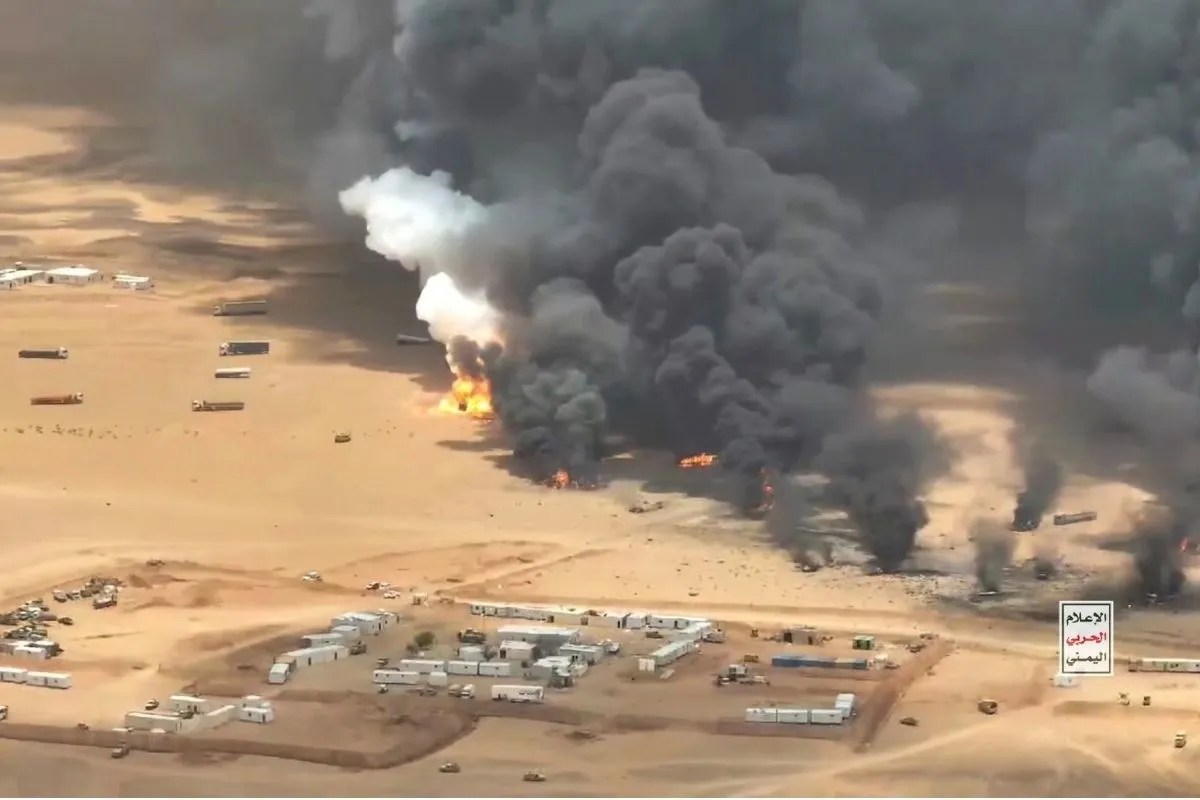
When the conflict expanded, it didn't stay contained. Iranian retaliatory strikes punched straight across the Gulf, impacting nations like Kuwait, Oman, Bahrain, the United Arab Emirates, and Qatar itself. Trade routes jitter. Energy supplies face constant threats, especially around the volatile Strait of Hormuz.
You can't bomb your way to long-term stability. That's the core message Doha keeps pushing, acting as a trusted mediator while others beat the drums of war. Qatar's position stems from a basic geographical reality: when the Gulf burns, everyone gets burned.
Why Mediation Matters Now More Than Ever
People often mistake diplomatic outreach for weakness. That's a rookie mistake in international relations. Qatar has spent years positioning itself as an indispensable communication bridge between Washington, regional actors, and Tehran.
When Sheikh Tamim points out that delayed diplomacy caused this mess, he's talking to a global audience that prefers military posturing over hard compromise. Real security won't arrive through a knockout blow. It requires messy, grinding negotiations that account for Iran's security concerns alongside everyone else's.
- The Energy Factor: Global markets rely on uninterrupted flow through regional chokepoints.
- The Institutional Resilience: State entities in Qatar and neighboring countries have had to stress-test emergency defenses faster than ever before.
Moving Past the Brink
Fixing this isn't about signing paper treaties that look good on camera. It requires world leaders to swallow their pride and restart meaningful talks before a localized miscalculation turns into a permanent catastrophe. If you're watching global markets, shipping lanes, or geopolitical stability, pay less attention to the daily threats and watch who is actually picking up the phone.
Emir of Qatar: We Remain Convinced That the Gulf Crisis Can Be Resolved Through Diplomatic Means