Two in the morning is an honest hour. The nursery glows with the amber hum of a sound machine, the rest of the street sits under a blanket of quiet, and you are standing over a changing table trying to figure out why your baby is screaming in a key you have never heard before.
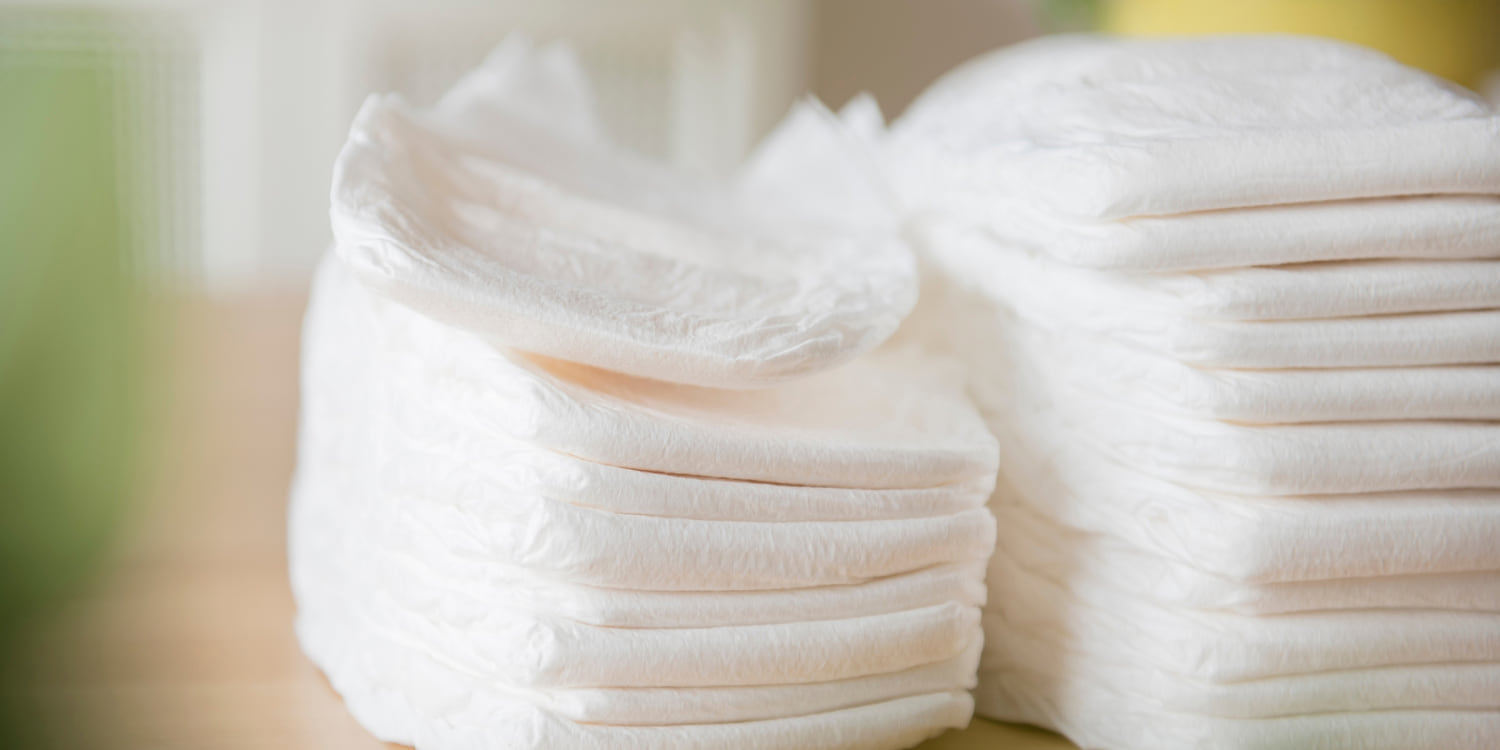
You unfasten the tabs. You peel back the feather-soft, cloud-like layers of the diaper you paid a premium for specifically because the box promised purity. No lotions. No latex. No fragrance. Just pure, breathable luxury engineered for sensitive skin.
And then you see it. Angry, raised welts blooming across skin that was smooth six hours ago. Blistering red patches tracing the exact elastic perimeter of the leg cuffs and waistband.
Panic.
That single word describes the cold drop in a parent’s stomach when a product marketed as a sanctuary turns into an irritant. Over the past couple of years, thousands of exhausted mothers and fathers have found themselves staring at that exact scene, logging onto Reddit threads, TikTok comment sections, and parenting forums in the dark with one frantic question glowing on their phone screens. Did Millie Moon change their diapers, or am I losing my mind?
The Promise of the Cloud
To understand why the backlash against Millie Moon hit such a raw nerve, you have to understand the psychology of the modern diaper aisle. Buying diapers is rarely just a transaction for absorbent pulp and elastic. For new parents, especially those navigating eczema, colic, or allergies, a diaper brand is a proxy for vigilance. It is the baseline of care.
When Millie Moon launched exclusively at Target, backed by New Zealand-based Zuru Edge, it disrupted the market almost overnight. It looked like a boutique subscription brand, felt like brushed cashmere, and cost noticeably less than its direct eco-luxury competitors. Parents fell hard for it. The diapers held overnight leaks without sagging, carried high-profile certifications like Dermatest and OEKO-TEX Standard 100, and built an almost cult-like loyalty among parents who swore by their softness.
Consider a hypothetical scenario that mirrors hundreds of real accounts shared across consumer boards. Picture a mother named Elena, whose eight-month-old son has navigated moderate eczema since birth. After months of trial and error with conventional drugstore brands that left him chafed, she switches to Millie Moon. For four months, the nights are peaceful. His skin clears. She buys three boxes at a time whenever Target runs a gift card promotion, stacking them in the closet like gold bullion.
Then, she opens a new box. The packaging looks nearly identical, save for a subtle shift in the ink or a slightly stiffer feel to the outer cover. Within forty-eight hours, her son develops a bright, confluent rash that resembles a chemical burn. She blames strawberries. She blames teething. She slathers on thick layers of zinc oxide, yet the rash worsens with every fresh diaper she puts on him. It is only when she runs out of the new box and grabs an older spare from the diaper bag that the redness begins to fade.
Elena’s story is not an isolated anecdote, and it exposes a quiet vulnerability in how consumer goods are regulated, reformulated, and communicated to the people who trust them most.
What Actually Changed Behind the Scenes
When waves of complaints began surging online—accompanied by side-by-side photos of old diapers next to new ones—parents started doing the kind of forensic detective work usually reserved for crime scenes. They weighed the diapers on kitchen scales. They held the liners up to sunny windows. They compared lot numbers stamped on plastic sleeves.
What they noticed was subtle on paper, yet dramatic on a baby’s skin.
Older versions of Millie Moon featured a distinctively plush, quilted inner lining with a noticeably thicker profile. Newer batches, which began circulating widely around 2023 and continued prompting waves of discussion into 2024 and beyond, felt thinner, slightly papery, and more rigid around the tabs. Some parents noted a faint chemical or plastic odor upon opening the sleeves that had not been there before.
Millie Moon’s corporate response followed a familiar playbook. Representatives acknowledged minor updates to improve fit, leak protection, and sustainability, while firmly maintaining that the core materials remained safe, hypoallergenic, and free from harmful chemicals. No official recall was ever issued.
Here is where the disconnect lives. In manufacturing, a "minor update" might mean switching the supplier of a non-woven polypropylene top sheet, altering the adhesive resin used to bond the absorbent core, or tweaking the superabsorbent polymer blend to make the diaper slimmer for shipping efficiency. Every single one of those components can still pass standard dermatological patch testing on adult volunteers and meet regulatory safety thresholds.
A regulatory pass, however, is not a biological guarantee. Think of a baby’s skin not as durable leather, but as freshly laid silk still drying on the loom. The stratum corneum—the outermost protective barrier of the epidermis—is up to thirty percent thinner in infants than in adults. It loses moisture faster, absorbs topical substances more readily, and reacts violently to friction or unfamiliar synthetic finishes. When a manufacturer alters the texture of a top sheet or changes a bonding glue, even by a fraction of a percent, sensitive infant skin can read that microscopic change as an assault.
The Anatomy of a Mystery Rash
When a rash erupts suddenly after months of brand loyalty, parents often spiral into self-blame before they ever suspect the diaper itself. Understanding the difference between a standard moisture rash and a true contact reaction is the difference between a two-day recovery and two weeks of misery.
A classic irritant diaper dermatitis—the kind caused by wetness, friction, or acidic stool—usually settles into the creases and folds where moisture pools, or sits right where stool makes direct contact. It looks pink, slightly shiny, and responds quickly to air time and a thick barrier paste.
Contact dermatitis, by contrast, tells a different story. Look at the borders. When an infant reacts to an adhesive, a dye, an elastic thread, or a chemical finish in a newly reformulated diaper, the rash often forms sharp, geometric outlines. You will see angry red bands hugging the thighs where the leg gussets rub, a distinct stripe across the lower back or abdomen where the waistband sits, or uniform redness covering the entire area touched by the inner liner while sparing the deepest skin folds. In severe cases, tiny fluid-filled vesicles or peeling skin appear, mimicking a scald or a fungal infection.
Yeasts, specifically Candida albicans, love damaged skin. Once a diaper’s altered surface strips away that fragile outer lipid layer, opportunistic yeast moves in within hours, creating bright red satellite bumps around the main rash. By the time a pediatrician sees the baby, the original trigger is masked beneath a secondary infection, making it nearly impossible to prove in a clinic room that a batch of diapers started the fire.
Why "Hypoallergenic" Does Not Mean Reaction-Proof
There is a hard truth buried beneath the marketing language of the baby care industry, and it is one that can feel deeply unsettling when you are standing in a store aisle trying to make the right choice.
In the United States, the word "hypoallergenic" has no strict legal definition enforced by the Food and Drug Administration. A company can print it across the front of a box simply because they omitted common known allergens like perfumes, parabens, or elemental chlorine. It does not mean the product has been tested against every possible skin sensitivity, nor does it require the manufacturer to notify consumers when they swap out raw material suppliers.
Diapers are classified as medical devices by the FDA, yet they operate largely under self-regulated manufacturing standards. Brands routinely adjust their supply chains to cut costs, adapt to raw material shortages, or streamline production lines in overseas factories. Because the ingredient list on a diaper package is broad—listing general categories like "polypropylene," "polyethylene," and "superabsorbent polymer" rather than proprietary chemical formulations—a company can fundamentally alter how a diaper interacts with skin without changing a single word on the outside of the box.
That opacity is what breeds the deep sense of betrayal parents describe. You do the research. You read the labels. You pay extra to avoid the synthetic fragrances and harsh dyes found in budget brands. Yet you are still flying blind, relying entirely on the consistency of a supply chain you cannot see.
Navigating the Fallout When Skin Breaks Down
If you are reading this at odd hours while soothing a restless baby whose skin suddenly turned raw inside a brand you used to trust, take a breath. You did not fail your child by missing a hidden reformulation, and you do not need a chemistry degree to fix the immediate crisis.
Step away from the suspect box immediately. Even if you have three unopened sleeves sitting in the closet, trust what your eyes are telling you over what the packaging promises. Target and most major retailers have generous return policies for opened diapers when a skin reaction occurs, and customer service teams at Millie Moon have frequently issued refunds or vouchers when parents reach out with lot numbers.
While the skin is actively inflamed, strip the routine back to its most primitive elements. Ditch disposable wipes entirely for a few days—even the "ninety-nine percent water" varieties contain preservatives and surfactants that sting raw skin like salt on a scrape. Use warm tap water and soft cotton washcloths, or rinse your baby gently under a lukewarm faucet, then pat the skin completely dry with a clean towel before applying anything else.
Give the skin oxygen. Ten to fifteen minutes of diaper-free time on a washable puppy pad or an old towel after every change does more for barrier repair than any expensive salve on the market. When you do put a diaper back on—ideally a plain, unbleached alternative like Honest, Coterie, Parasol, or even a basic unscented hospital-grade brand while the skin resets—apply a generous, frosting-thick layer of plain petroleum jelly or forty-percent zinc oxide paste. Think of it less as medicine and more as a physical shield standing between fragile tissue and friction.
If the rash develops open sores, oozes yellow fluid, bleeds, or fails to show meaningful improvement within forty-eight hours of switching brands, call your pediatrician. Secondary yeast or bacterial infections require targeted antifungal or antibiotic creams that over-the-counter barrier pastes simply cannot clear on their own.
The Bigger Lesson in the Diaper Aisle
The uproar over Millie Moon is rarely just about one brand’s manufacturing choices. It is a symptom of a wider friction between modern parenting and modern manufacturing. Parents today are hyper-informed, ingredient-conscious, and fiercely protective, yet they are buying from global conglomerates whose primary obligation is margin optimization and scale.
Brand loyalty in the baby aisle is always conditional. A product is only as safe as its most recent production run, and no certification sticker on a cardboard box outranks the real-time evidence on your child’s skin. The best tool you have is not a brand name, a five-star review, or a "clean" label stamped in gold foil. It is your own willingness to trust your instincts the moment something looks wrong, even when the box tells you everything is fine.
Put the suspect diapers in the closet, turn down the nursery light, and let the skin breathe.