At 2:14 in the morning inside a cramped, neon-lit bedroom in Seoul, a nineteen-year-old named Ji-hoon is wide awake. On his desk sits a half-empty can of peach soda, a mechanical keyboard glowing faint violet, and a smartphone propped against a stack of graphic novels. He is watching a live stream of a Swedish pop singer wearing an oversized silver blazer, belting a high note inside an arena thousands of miles away in Europe.
Ji-hoon is a hypothetical composite, a stand-in for millions of young listeners across East and Southeast Asia who consume Western and European music through algorithmic snippets rather than prime-time television broadcasts. Yet his bedroom setup captures the exact friction facing television executives right now.
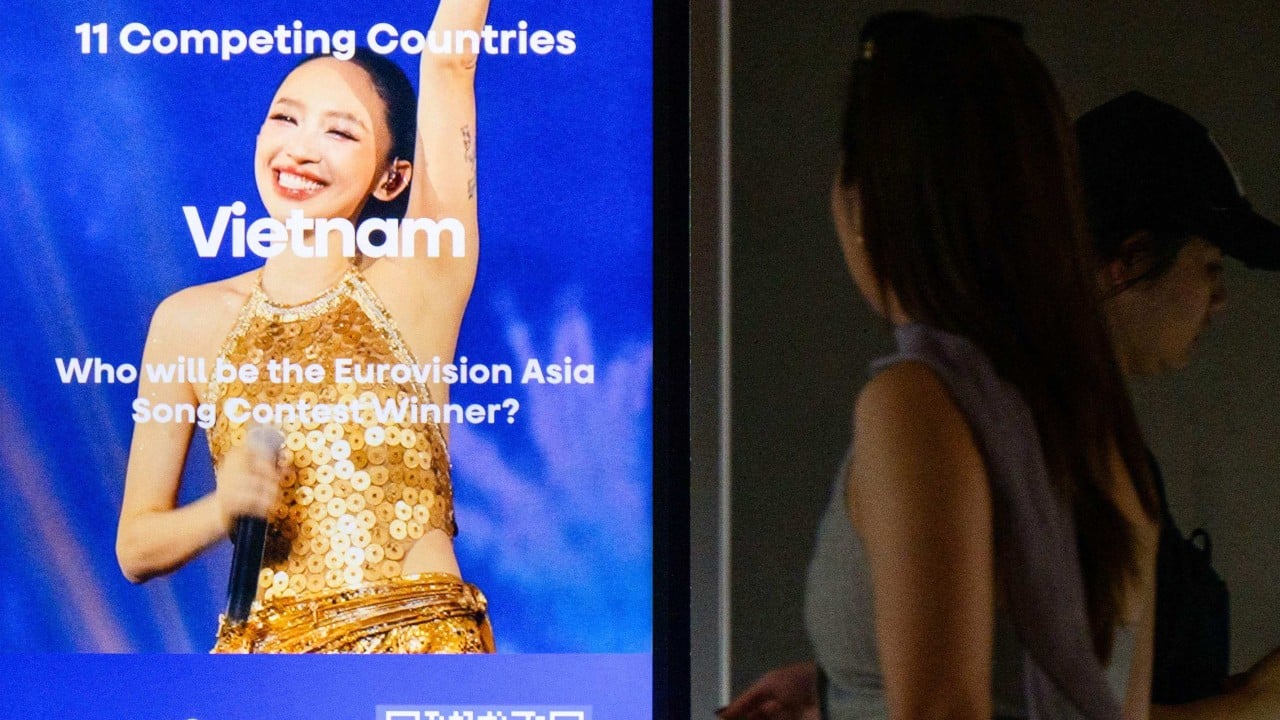
For nearly seven decades, the Eurovision Song Contest has operated on a simple, almost sacred ritual. Families across Europe gather around living room screens on a Saturday night in May, armed with snacks, scorecards, and fierce national pride, watching neighbor vote for neighbor in a glittery marathon of camp, earnest ballads, and geopolitical drama. Now, after years of stalled negotiations, format tweaks, and quiet diplomacy, Eurovision is finally making its historic Asian debut.
On paper, the expansion looks like an inevitable triumph. Asia holds the world's largest youth population, the planet's most sophisticated pop music factories, and the most fiercely loyal fan communities ever assembled online.
But the real problem lies elsewhere.
The Architecture of a Different Kind of Fandom
To understand why bringing Eurovision to Asia is far riskier than simply licensing a television format, you have to sit through a standard broadcast yourself. I still remember my first time watching the grand final live, sitting on a worn sofa in a flat with spotty Wi-Fi, baffled by the sheer length of the thing. Four hours. Twenty-six countries. Dozens of key changes, wind machines, theatrical smoke, and a voting sequence that stretches longer than most feature films.
That slow, communal burn is the soul of Eurovision. In Europe, the three-minute performance is only half the product; the other half is the collective experience of watching the continent argue with itself through twelve-point allocations.
Gen Z fans in Tokyo, Manila, Jakarta, and Bangkok live inside an entirely different media ecosystem. They do not wait for Saturday night appointments. They live inside vertical video feeds where a song has roughly four seconds to earn a thumb-stop before it disappears forever.
Think of traditional broadcast television as a grand opera house. You buy a ticket, dress up, sit in velvet seats, and surrender your evening to the conductor's pacing. Social media platforms like TikTok, YouTube Shorts, and Instagram Reels work more like a bustling night market. You walk past dozens of stalls in ten minutes, grabbing a bite here, ignoring a vendor there, moving constantly toward whatever smells sharpest or sounds loudest.
Asking a twenty-year-old raised in the night market to sit quietly through a four-hour opera is a massive cultural ask.
What the Numbers Actually Tell Us
Beneath the celebratory press releases announcing Eurovision's Asian arrival sits a stubborn set of demographic realities. According to data from the European Broadcasting Union, Eurovision has actually enjoyed a remarkable youth renaissance on its home turf over the past several years. In recent editions, viewers aged fifteen to twenty-four accounted for more than half of the total audience share across participating European markets, outperforming standard television benchmarks by wide margins.
That surge did not happen by accident. Viral breakout moments from artists like Måneskin, Loreen, Kaarija, and Nemo turned three-minute stage performances into global streaming juggernauts. Songs climbed Spotify's Global Top 50 charts days after the broadcast ended, proving that Gen Z will happily adopt Eurovision music once it escapes the television box.
Yet streaming a three-minute track on Spotify is vastly different from tuning into a multi-hour regional television competition.
Consider what happens next when a European format tries to transplant its DNA overseas. We have already seen the warning signs in North America. When the American Song Contest launched in 2022 with A-list hosts and massive network backing, producers assumed the Eurovision magic would translate automatically. Instead, ratings slid steadily after the premiere, and the show vanished after a single season. The missing ingredient was not talent or budget; it was decades of shared cultural friction. Americans did not feel a visceral urge to watch Rhode Island battle Oklahoma the way Europeans feel when Greece awards twelve points to Cyprus.
Asia presents an even more complex web of cultural dynamics. Unlike Europe, where forty-odd countries share a relatively compact geographical footprint and overlapping broadcast traditions, Asia spans dozens of distinct languages, rival entertainment industries, and wildly uneven media regulations.
Inside the Asian Pop Machine
Walk through Shibuya in Tokyo or Hongdae in Seoul on a Friday evening, and you immediately feel the sheer density of local pop culture. Music here is not a once-a-year television event. It is an everyday industrial engine running at full throttle.
K-pop agencies debut new groups every month with cinema-grade music videos, multi-camera dance practice clips, and dedicated fan apps where idols message subscribers directly. J-pop commands massive domestic touring circuits and anime tie-ins that generate billions in merchandise. Meanwhile, Southeast Asian scenes like P-pop in the Philippines and T-pop in Thailand have built hyper-engaged local audiences who organize voting campaigns with military precision.
Against that backdrop, Eurovision enters Asia not as a shiny new novelty, but as an outsider trying to earn shelf space in the world's most crowded entertainment store.
I have spoken with independent music publicists in Singapore and Seoul who have watched Western awards shows struggle for relevance among younger listeners. Their diagnosis is blunt. Young Asian fans do not reject foreign music; they simply reject anything that feels top-down, slow, or overly curated by legacy broadcasters. When a twenty-one-year-old fan in Manila spends three hours streaming a music video to push her favorite group up a chart, she is participating in an active, grassroots campaign. Watching a panel of national juries hand out points from a studio booth can feel weirdly passive by comparison.
The Invisible Stakes of the Debut
So why take the gamble at all?
Because for the European Broadcasting Union and its regional broadcast partners, standing still is the greater danger. Traditional linear television is aging rapidly across every developed economy. Broadcasters in Europe and Asia alike face shrinking ad revenues, fragmented audiences, and fierce competition from global streaming giants that spend billions on scripted drama and live sports.
Eurovision remains one of the last true monocultural events left on earth—a rare live broadcast capable of pulling over 160 million viewers into the same digital room at the same moment. Expanding that footprint into Asia is not merely a vanity project or a licensing deal. It is a survival strategy aimed at turning a regional European institution into a year-round global entertainment franchise.
If the Asian edition works, it unlocks the largest youth market on the planet, creates new touring circuits for independent artists, and proves that live, communal music television still has a pulse in the algorithmic age.
If it stumbles, it risks exposing the limits of nostalgia in a region that rarely looks backward when it comes to pop culture.
How Eurovision Can Actually Win Gen Z Over
The good news for organizers is that Gen Z is not allergic to spectacle. In fact, they crave it. Look at the massive global viewership for League of Legends World Championship opening ceremonies, virtual concerts inside gaming platforms, and chaotic live-streamed variety shows. Young audiences love absurdity, high drama, fierce fandom rivalries, and emotional vulnerability—the exact raw materials Eurovision has trafficked in since 1956.
To capture Ji-hoon's attention at two in the morning, the Asian debut cannot simply copy-paste the European rulebook and hope for the best.
First, the show must treat the live broadcast as the hub rather than the whole wheel. Gen Z fans discover music through micro-moments: a bizarre costume reveal, an unscripted green-room reaction, a vocalist hitting an impossible note while suspended from wires. Producers need to design every performance with vertical clips, behind-the-scenes rehearsals, and instant backstage memes built into the production schedule from day one.
Second, voting has to feel immediate and consequential. Young Asian fandoms are the undisputed champions of digital mobilization. If fans can cast votes through seamless mobile integrations, watch real-time momentum shifts, and see their collective effort directly rescue an underdog act from elimination, they will show up in force.
Third, the music itself cannot play it safe. Whenever international adaptations try to smooth out Eurovision's rough edges to appeal to mainstream radio, the magic evaporates. The beauty of the contest has always been its refusal to apologize for being weird. A Mongolian throat-singing rock band competing directly against a hyper-pop soloist from Osaka and an acoustic troubadour from Hanoi is far more compelling to a twenty-year-old than three hours of polished, interchangeable ballads.
The Moment Before the Curtain Rises
I still find myself uncertain about how this experiment will land. Television history is littered with ambitious cross-border formats that looked unstoppable in boardroom pitch decks and fell flat the moment real viewers held the remote control. Algorithms are fickle, attention spans are merciless, and young audiences can smell corporate desperation from a mile away.
Yet there is something undeniably electric about watching two wildly different musical worlds collide on a single live stage.
Picture that same bedroom in Seoul a few months from now. The peach soda is still on the desk, the violet keyboard is still glowing, and the clock is still ticking past midnight. Only this time, Ji-hoon isn't watching a delayed clip from across the globe. He has three group chats open on his second monitor, his thumb hovering over a live voting button, waiting for the host to announce the final twelve points before the room erupts.


