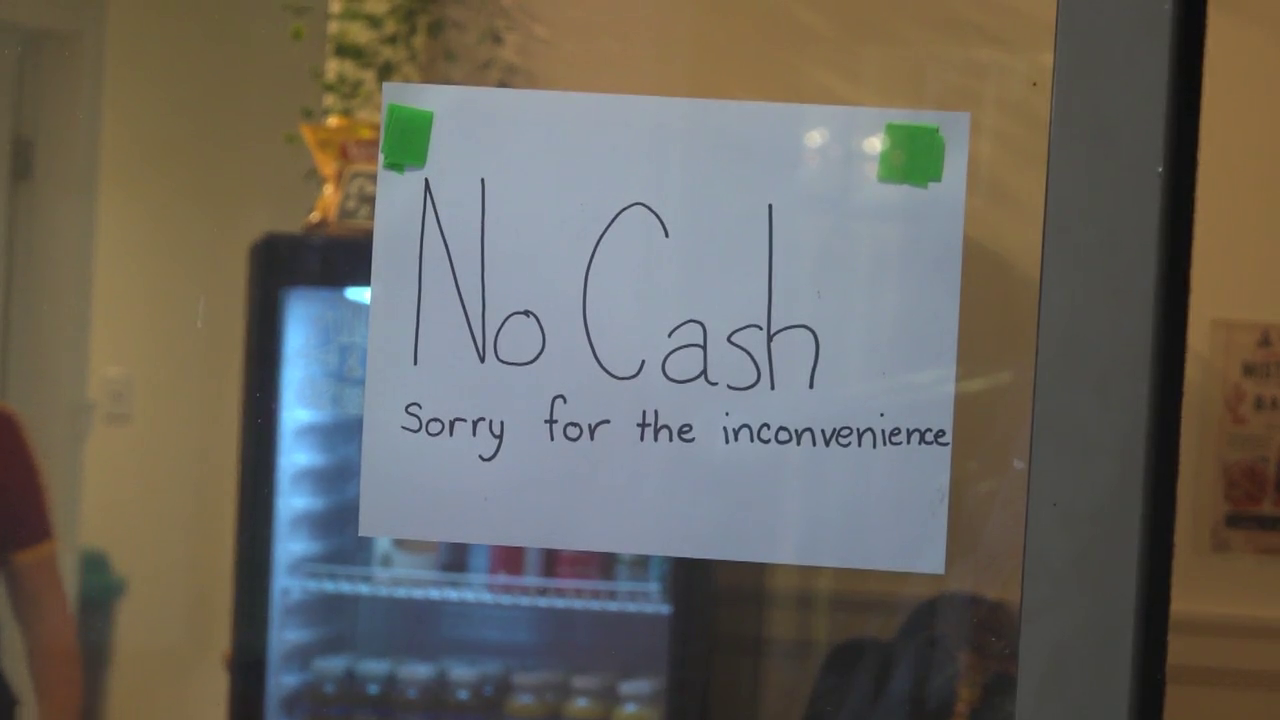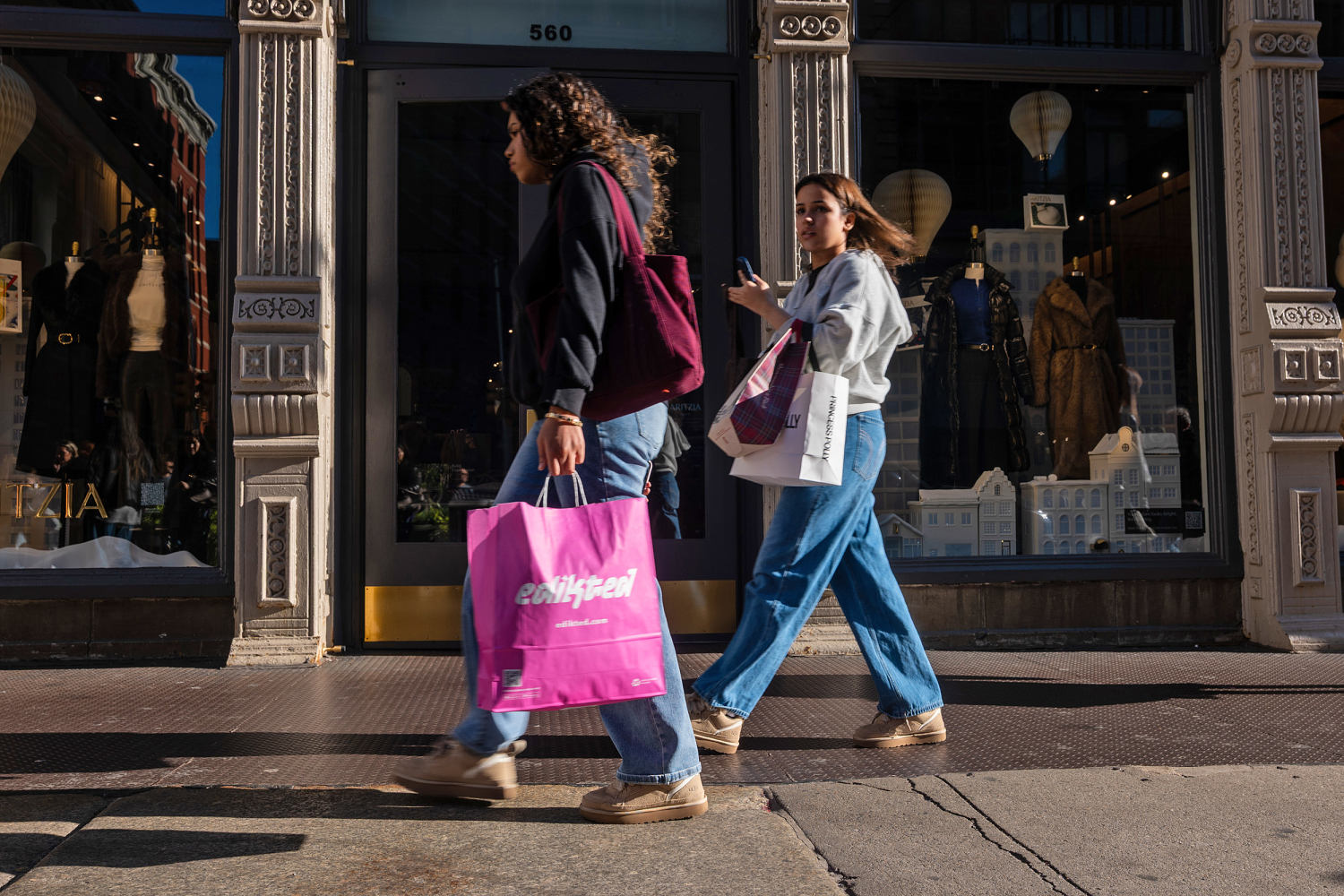
Record credit card balances and declining fast-food traffic signal a structural shift in American household finance. Low- and middle-income consumers have exhausted their pandemic-era savings buffers and are now relying on high-interest revolving debt to fund basic necessities, forcing them to cut back on even the cheapest discretionary expenses like quick-service meals ahead of the holiday retail season.
For decades, Wall Street analysts treated fast-food chains as the ultimate recession-proof shelter. The logic was simple. When wallets tighten, families skip the steakhouse and pull into the drive-thru instead. That historical playbook is breaking down. When the core customer base of a burger chain starts skipping the value menu, you are not looking at a normal cyclical dip. You are looking at an affordability wall. You might also find this connected story insightful: The Anatomy of North American Tariff Friction and Capital Flight.
The Mechanics of the Drive-Thru Retreat
Fast food lost its price advantage. Between 2019 and 2024, menu prices across major quick-service chains rose far faster than general inflation, driven by higher wholesale food costs, commercial real estate pressures, and rising franchise labor expenses. A combo meal that once cost seven dollars quietly crept toward twelve or fifteen. For a family of four, a quick weeknight stop suddenly rivaled the cost of a casual sit-down restaurant or several days of groceries.
Consumers noticed. Foot traffic among households earning under $45,000 began softening first, followed closely by middle-income earners making up to $75,000. As extensively documented in recent articles by The Wall Street Journal, the results are notable.
Chains responded with aggressive app-only discounts and temporary five-dollar value bundles. Those promotions brought back occasional visits, yet they exposed a deeper problem. Customers were no longer buying on impulse. They were cherry-picking loss leaders, skipping high-margin add-ons like fries and sodas, and walking away the moment a promotion expired. Grocery store aisles became the direct competitor to the drive-thru lane. Buying a carton of eggs, a loaf of bread, and sandwich meat at a discount supermarket yields multiple meals for the price of a single fast-food order. When cash flow gets tight, convenience is the first luxury to go.
Why Revolving Debt Keeps Climbing
At the exact moment households are cutting back at the register, aggregate credit card debt continues to break records. According to quarterly household debt tracking by the Federal Reserve Bank of New York, total credit card balances have pushed well past the $1.1 trillion mark, accompanied by rising delinquency rates among younger borrowers and lower-income zip codes.
To understand why balances are growing even as people buy less stuff, you have to look at the math of compounding interest.
During the prolonged cycle of elevated benchmark interest rates, the average Annual Percentage Rate (APR) on variable-rate credit cards climbed above 20 percent. At that rate, a balance does not just sit there. It breeds. Consider a hypothetical example to see how the trap works. Suppose a household carries a $6,000 balance across two cards at a 22 percent APR and can only afford to pay $150 a month. Nearly $110 of that payment goes straight to interest charges, reducing the actual principal by barely $40. If that same family hits a single unexpected expense—a blown tire, an urgent dental visit, or a spike in winter utility bills—and puts $800 on the card, they have wiped out more than a year of principal paydown in a single afternoon.
This is distressed borrowing. Historically, surges in credit card volume coincided with economic confidence, signaling that shoppers felt secure enough in their jobs to finance vacations, furniture, and holiday gifts. Today, bank earnings reports and payment network data tell a different story. Spending growth is heavily concentrated in non-discretionary categories like groceries, utilities, and auto insurance. People are swiping plastic to bridge the gap between stagnant real wages and the elevated cost of living.
The K-Shaped Illusion in Retail Data
If you only look at headline macroeconomic numbers, the distress at the bottom of the income ladder is easy to miss. Gross Domestic Product looks steady. Overall retail sales still print positive monthly gains. Airlines report packed cabins, and luxury travel providers continue to post strong bookings.
This divergence is the defining feature of the modern consumer economy. Wealthier households—roughly the top 20 percent of earners—account for a massive share of total consumer spending. Many of these households locked in ultra-low fixed mortgage rates years ago, shielding their largest monthly expense from inflation. At the same time, rising home equity and strong stock market performance inflated their net worth, while higher interest rates boosted the yields on their cash savings accounts. For them, a 20 percent credit card APR is irrelevant because they pay their statement balances in full every month to harvest travel points.
Meanwhile, the bottom 60 percent of households operate in a completely different financial reality. Renters absorbed years of steep lease renewals. Auto loan payments surged alongside vehicle prices and financing rates. The resumption of federal student loan payments pulled hundreds of dollars a month out of household budgets that had already been stretched thin.
Because retail sales data measures total dollars spent rather than total units sold, a wealthy shopper buying a $3,000 designer coat easily masks ten working-class shoppers skipping a $12 burger meal. Aggregate statistics smooth over the pain, creating a dangerous blind spot for corporate executives and policymakers who rely on top-line averages to gauge economic health.
The Shadow Debt Complicating the Picture
Traditional credit bureau reports no longer capture the full weight of consumer leverage. Over the past several years, Buy Now, Pay Later (BNPL) services have embedded themselves into the checkout screens of virtually every major online retailer, and increasingly into grocery delivery apps and physical point-of-sale terminals.
Split-payment plans allow shoppers to divide a purchase into four interest-free installments over six weeks. On paper, this looks harmless compared to a 22 percent credit card. In practice, it creates a fragmented web of overlapping obligations. Because many BNPL providers do not consistently report short-term installment plans to the major credit bureaus, a borrower can stack multiple loans across different platforms without triggering traditional underwriting alarms.
A consumer might have four separate $40 biweekly drafts hitting their checking account on the exact same Friday their rent and car insurance clear. When that checking account dips into overdraft, the consumer turns back to their traditional credit card to buy groceries, driving up revolving utilization and further depressing their credit score. This hidden leverage means the official delinquency figures reported by major banks likely understate the true level of financial fragility sitting on household balance sheets.
How Retailers Are Bracing for a Split Holiday Season
Entering the fourth quarter, retail executives face a treacherous inventory and pricing environment. The traditional holiday playbook relies on emotional spending—shoppers stretching their budgets in November and December to buy gifts, host gatherings, and splurge on seasonal items.
This year, merchants are preparing for a bifurcated rush. Big-box discounters and off-price apparel chains are positioned to capture trade-down traffic from middle-income families hunting for markdowns. Conversely, mid-tier department stores and specialty retailers that rely on full-price selling face intense margin pressure. If they hold the line on prices, goods sit unsold on racks. If they slash prices early in November to move volume, they train shoppers to wait for deeper discounts and destroy their fourth-quarter profitability.
What Financial Strain Looks Like on the Ground
- Private-label migration: Shoppers are abandoning national name brands in favor of store-brand staples across packaged foods, paper goods, and over-the-counter medications.
- Delayed replacement cycles: Consumers are holding onto aging smartphones, laptops, and household appliances longer, opting for minor repairs rather than upgrades.
- Smaller basket sizes: While trip frequency to discount grocers remains steady, the number of items per checkout has shrunk as shoppers buy strictly what they need for the next forty-eight hours.
- Rising hardship withdrawals: Financial institutions continue to report elevated rates of early withdrawals and loans from workplace retirement accounts, a classic sign that liquid emergency funds are depleted.
Reading the Warning Signs Before the Numbers Break
There is an important counter-argument worth acknowledging. Bears have been predicting an imminent consumer collapse for over two years, and the American shopper has repeatedly defied those forecasts. As long as the labor market avoids mass layoffs, most households will continue grinding through their debt obligations. A steady paycheck, even one stretched thin by inflation, keeps the wheels turning and prevents a sudden, systemic wave of defaults.
Yet resilience is not the same thing as health. A household operating with zero margin for error can survive routine weeks, but it cannot absorb a shock. Even a modest uptick in unemployment or a mild reduction in overtime hours would immediately force millions of leveraged borrowers to choose between paying their credit card minimums, keeping their car insured, or buying groceries.
Watch the frequency of small, everyday transactions rather than headline GDP prints. When everyday consumers start treating a fast-food value meal as a luxury item they can no longer justify, they are already rationing their cash flow in ways that no seasonal retail promotion can fix.