Security alerts rarely unfold quite like the autumn drama at RAF Fairford. When British counter-terrorism police intercepted three suspicious vans near the Gloucestershire air base, they didn't just stumble upon ordinary criminals. They uncovered a sprawling, state-backed conspiracy that stretches all the way from rural England to prison cells in Brooklyn and command hubs in Tehran.
If you've been following the headlines, you know the basics: multiple arrests, seized vehicles, and a sudden redeployment of American long-range bombers. But the deeper indictment unsealed by U.S. federal prosecutors exposes a much scarier reality. This wasn't a rogue operation. It was part of an aggressive, multi-continent campaign orchestrated by Iran-backed networks targeting Western military assets and civilian populations alike.
Inside the RAF Fairford Surveillance Operation
The operation began months before the vans ever rolled toward the base perimeter. Investigators say operatives on the ground were paid to conduct detailed reconnaissance, filming the fences of RAF Fairford, a critical installation housing U.S. military aircraft.
The plotters weren't working with sophisticated military-grade ordnance initially. Instead, they relied on crude everyday items: drums of fuel, chemical accelerants, and metal fragments meant to act as makeshift shrapnel. They even disguised their transport fleet with sham branding for pool supply companies and fuel delivery firms to blend into local traffic.
Yet, British authorities were ready. Acting on intelligence that likely compromised the cell's communication channels, officers intercepted the vehicles before they could execute the planned assault. While no high explosives were found in the initial vehicle searches, the intent and coordination behind the logistics sent shockwaves through Western defense circles.
The Prison Cell Connection and International Reach
What makes this case genuinely unsettling is how the network functioned even after law enforcement started making arrests. According to U.S. court documents, key figures continued directing operations from behind bars using coded phone calls.
Operatives used familial relationships to relay instructions across borders, treating violent acts as routine corporate tasks. Terms like "work" became code for terror plots, while "international section" referred to cross-border logistical support. This persistence highlights a glaring vulnerability in modern counter-terrorism: traditional arrests don't automatically sever a commander's ability to pull strings from a smartphone.
The United Kingdom bore the brunt of this specific European cell's attention, facing multiple attempted actions ranging from arson to reconnaissance. When prosecutors connected the dots to a wider string of nearly twenty attempted strikes across Europe and the United States, the geopolitical stakes skyrocketed.
Why the U.S. Military Response Was Swift
Military bases like RAF Fairford have spent decades supporting operations across the Middle East. They are hardened facilities, but they rely heavily on domestic law enforcement to secure their outer perimeters.
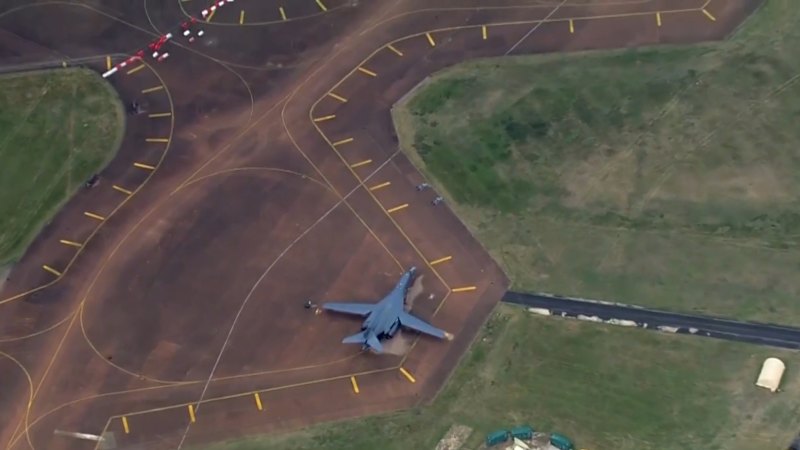
When a foreign intelligence apparatus manages to push local proxies right up to the fence line with fuel drums and improvised materials, it forces a rapid reassessment. That's why the U.S. Air Force didn't wait for a formal inquiry to conclude before shifting its strategic assets. Pulling the bombers out and redeploying them directly to the United States sent an unmistakable message about force protection standards.
Governments are now forced to reckon with hybrid warfare tactics that sit squarely in the gray zone—just below the threshold of open military conflict, but far more dangerous than standard criminal activity. As investigations continue and courts weigh the indictments of the key architects behind the bars, the fallout from the Fairford incident will shape European security protocols for years.
RAF Fairford security incident overview
A closer look at how British authorities responded to the initial major security declaration surrounding the Gloucestershire air base.