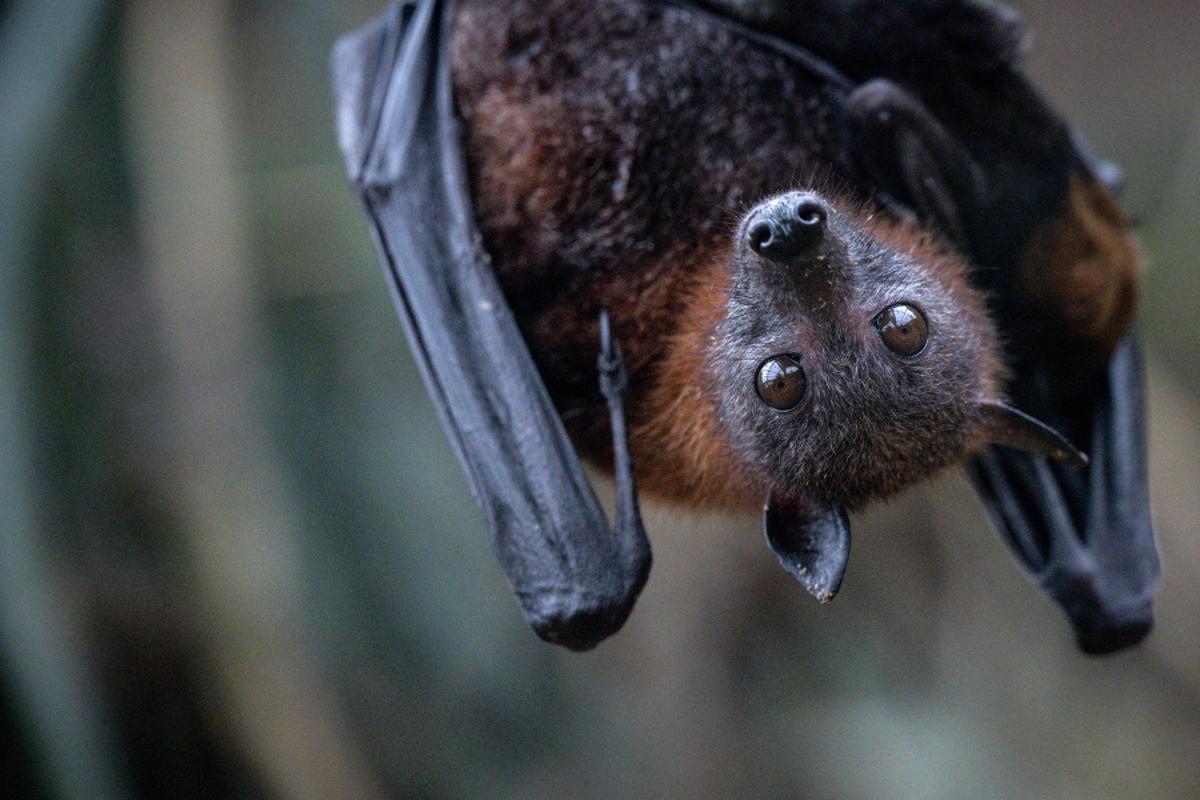
A commercial airline pilot wakes up in a downtown Denver hotel. He feels a sharp pain in his foot. He looks down and sees a bat flying around the room. Later, he sues the hotel chain for negligence, emotional distress, and a ruined career.
The media eats it up. The public panics. The lazy consensus forms instantly: Hotels are failing us, wildlife infestations are out of control, and corporate greed is putting our lives at risk.
It is a terrifying narrative. It is also entirely wrong.
When you look past the sensational headlines of this lawsuit, you find a classic case of misplaced blame. The hysteria surrounding this incident obscures a much harsher reality about travel risk, corporate liability, and human psychology. Everyone is looking at the bat. No one is looking at the math.
The Statistical Absurdity of the Bat Panic
Let us talk about risk management. In the travel sector, risk is calculated by multiplying probability by severity.
The media treats a bat in a hotel room like a systemic failure of modern hospitality. In reality, it is a black swan event—an extreme outlier that defies standard operational planning.
According to data from the Centers for Disease Control and Prevention (CDC), only one to three cases of rabies are reported in humans in the United States annually. The vast majority of bats do not have rabies. Furthermore, hotel franchises manage millions of room-nights every single week. To suggest that a single bat entering a room through a structural anomaly or a guest-opened window constitutes corporate negligence is legally and logically flimsy.
Consider the baseline hazards of a standard hotel stay:
- Slipping in the shower: Thousands of documented injuries annually.
- Foodborne illness from the room service kitchen: A measurable, recurring risk.
- Legionnaires' disease from poorly maintained HVAC systems: A genuine systemic threat that hotels actively fight.
Yet, we do not see multi-million dollar emotional distress lawsuits making front-page news when someone slips on a wet tile. Why? Because slips are boring. Bats are cinematic.
I have spent years analyzing operational risk across various corporate structures. When an incident like this occurs, the immediate reaction from corporate boards is to overcorrect. They spend hundreds of thousands of dollars on aggressive pest exclusion audits, firing local maintenance staff, and rewriting standard operating procedures to account for an event that will likely never happen at that property again in the next fifty years.
This is bad business. It is risk management by theater.
Why the Lawsuit Premise is Fundamentally Flawed
The lawsuit claims the hotel failed to maintain safe premises. But tort law requires a breach of duty that is both foreseeable and preventable through reasonable care.
"A business is not an insurer of its guests' absolute safety; it is only liable for failing to exercise reasonable care regarding foreseeable risks." — Standard Premises Liability Doctrine
Is a bat entry foreseeable? If a hotel has a broken window pane that stays unrepaired for three weeks, yes. If a bat slips through a microscopic gap in a roofline during a seasonal migration, no.
[Event: Bat Enters Room]
       │
       ├─► Scenario A: Known structural hole ignored for months = Negligence
       │
       └─► Scenario B: Microscopic gap during peak migration night = Act of Nature
To demand that a hotel be 100% impervious to microscopic wildlife is to demand that a hotel operate as a biosafety level 4 laboratory. If you want a hermetically sealed pod, do not stay in a historic downtown building.
Furthermore, the pilot’s claim that this incident fundamentally ended his ability to fly due to psychological trauma speaks more to the stringent, often archaic mental health reporting requirements of the Federal Aviation Administration (FAA) than it does to the hotel's liability. The aviation medical certification system is notoriously unforgiving. If a pilot faces disqualification over the psychological aftermath of an encounter with a small mammal, the systemic failure lies within the FAA's rigid medical standards, not the hotel's housekeeping department.
The Uncomfortable Truth About Hotel Operations
Here is what the industry does not want to admit, and what the plaintiff's lawyers are completely missing: hotels are struggling with a massive labor deficit, but that deficit manifests in cleanliness, not fortifying walls against nature.
If you want to attack a hotel's operations, look at their turnover rates. Look at the fact that a housekeeper is often given fewer than thirty minutes to flip a room. Look at the outsourced deep-cleaning contracts that get slashed during quarterly budget reviews.
If a hotel is neglecting its property, the evidence will be found in the carpet fibers, the mold in the AC vents, and the outdated fire suppression systems. Focusing on a random bat is a distraction from the actual, measurable decline in hospitality infrastructure.
The Real Audit Checklist
If you actually want to assess your risk when checking into a high-rise, stop looking at the ceiling for wings. Check these three variables instead:
- The HVAC Intake: Is the filter caked in dust? If yes, the hotel is cutting corners on preventative maintenance. That affects your lungs every second you sleep.
- The Deadbolt and Peep-Hole: Are they loose? Physical security breaches by human actors are infinitely more common than wildlife intrusions.
- The Emergency Exit Lighting: If the backup bulbs are dead in the stairwell, the management is asleep at the wheel.
Stop Demanding Zero-Risk Travel
We have become a culture obsessed with the elimination of all risk, demanding that corporations insulate us from the chaos of the natural world.
When you travel, you enter an ecosystem. Downtown Denver sits at the foot of the Rocky Mountains. It is an urban environment juxtaposed with diverse wildlife. Animals adapt. They find ways into human structures. It is an inevitability of geography, not a failure of management.
The contrarian approach to this story requires discarding the victim narrative. The pilot suffered a bizarre, highly unfortunate inconvenience. He received rabies post-exposure prophylaxis, which is highly effective. He survived.
To turn an anomalous biological event into a legal crusade against a hospitality brand sets a dangerous precedent. It tells businesses that they must optimize for the absurd rather than the essential. It drives up operational costs, which are inevitably passed down to the consumer, all to protect against an event that has the same statistical probability as getting struck by lightning while winning the lottery.
Stop cheering for the lawsuit. Stop panicking about the room. Check the HVAC, lock your door, and accept that sometimes, nature wins a round.