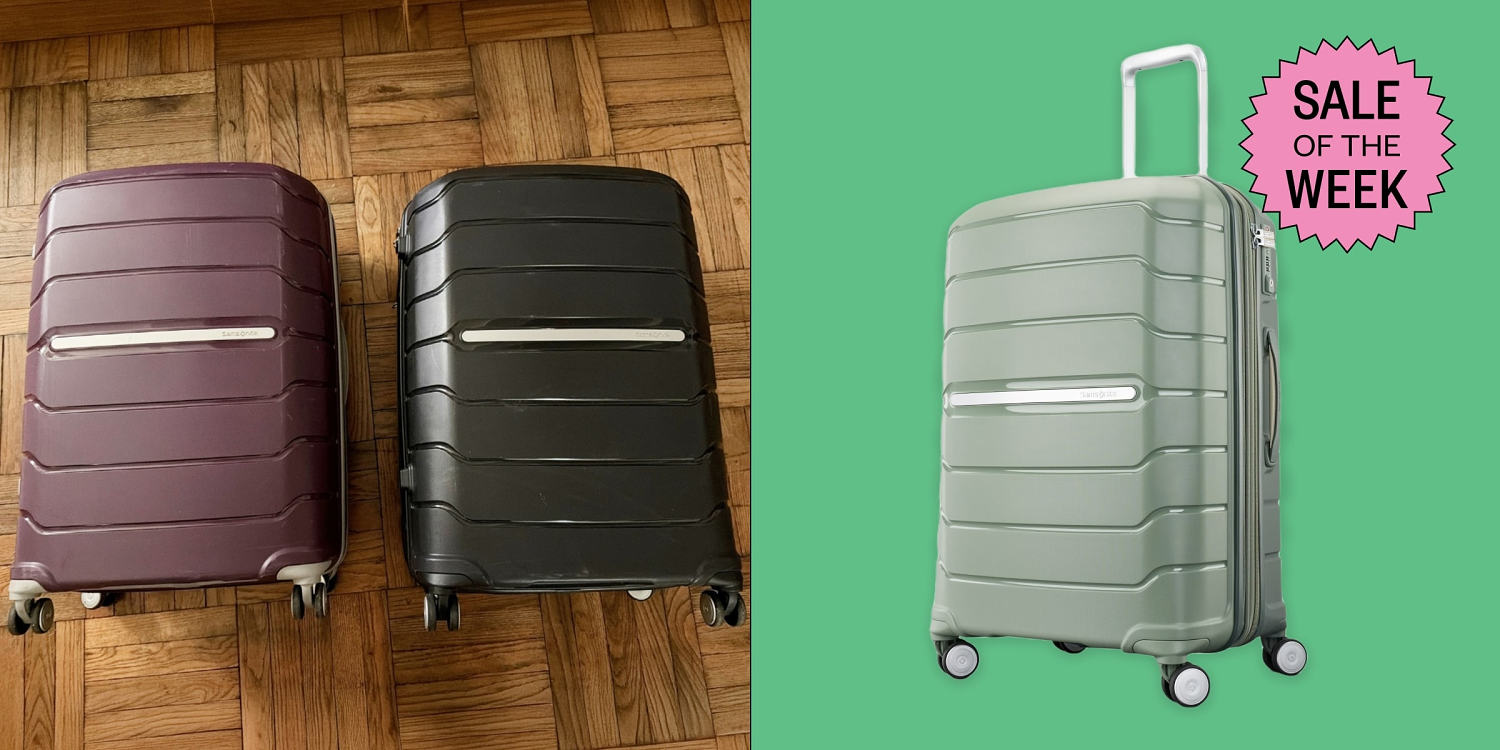
Whenever a legacy travel brand slashes prices by half, the immediate impulse of the consumer is jubilation. A Samsonite roller suitcase that normally commands a steep premium suddenly sits within arm's reach for the price of a mid-tier knockoff. Savvy flyers swoop in, convinced they have outsmarted the retail matrix. But beneath the shiny veneer of seasonal markdowns lies a calculated manufacturing strategy that demands a closer look.
Luggage discounts are rarely acts of corporate charity. They are synchronized adjustments in a global supply chain designed to protect margins while clearing warehouse space for next season's inventory cycles. To understand why half-off sales on polycarbonate shells and ballistic nylon happen with predictable regularity, you have to examine how travel gear travels from an injection molding plant in Asia to your front door. Recently making news lately: What the New Chinese Travel Regulations Actually Mean for Overseas Movement.
The Cost Breakdown of a Rolling Case
Walk through any major department store or specialty luggage boutique and you will find an interesting pricing uniformity. Hard-sided suitcases often hover around the two-hundred-to-four-hundred-dollar threshold. Soft-sided ballistic variants occupy a similar bracket. Yet, industry insiders know that the raw material cost of high-grade ABS or virgin polycarbonate accounts for a fraction of that retail price.
Injection molding machinery, aluminum telescopic handles, dual-spinner wheel assemblies, and YKK zippers dictate the baseline production expenses. Factor in container shipping rates across the Pacific, import tariffs, regional distribution logistics, and retail slotting fees, and the actual cost of goods sold begins to creep upward. However, the markup remains substantial. Retailers build a massive safety buffer into their initial pricing to absorb the inevitable shock of aggressive promotional windows. Further information into this topic are explored by Condé Nast Traveler.
When a brand advertises fifty percent off, they are not operating at a loss. They are simply stripping away the inflated margin designed to capture early-adopter spend. The real question is not whether you are getting a deal, but rather what compromises were made during manufacturing to sustain a fifty percent margin contraction without bankrupting the subsidiary.
The Lifecycle of Polymer Shells
Durability remains the unspoken casualty of aggressive discounting. Not all plastics are created equal, and the chemical composition of a suitcase shell determines whether it survives a violent transit handler or cracks under pressure on the tarmac at O'Hare.
Virgin polycarbonate offers high impact resistance and flexibility. It bends rather than shatters. ABS plastic, by contrast, is cheaper, more rigid, and significantly more brittle. Many brands blend the two materials to balance cost and performance. When margins tighten due to constant promotional discounting, manufacturers face a perennial temptation to dial back the percentage of pure polycarbonate in favor of cheaper polymers or recycled regrind material of questionable consistency.
This creates a split in the market. The suitcase you buy during a massive markdown event might look identical to the model released three years prior, but subtle shifts in wall thickness and fastener reinforcement can turn a lifetime investment into a disposable consumer good. Veteran frequent flyers notice the difference immediately. Zippers bind faster, wheel housings detach after hitting rough pavement, and telescopic handles develop an irritating lateral wobble after three domestic legs.
Navigating the Discount Cycle
If you intend to capitalize on major luggage markdowns, timing matters more than the percentage off. Retailers clear out inventory during specific windows: immediately after the summer peak travel season closes in September, and right after the winter holidays in January.
Do not judge a suitcase by its discount tag. Instead, inspect the components that matter most. Look for reinforced corner guards, recessed TSA-approved combination locks, and ball-bearing wheel systems housed in metal brackets rather than molded plastic cavities. If the wheels are riveted directly into the plastic shell without a backing plate, walk away regardless of how deep the markdown goes. That single point of failure will render the entire piece useless the moment it takes a hard drop off a baggage cart.
The allure of half-off travel gear will always tempt the budget-conscious wanderer. Just remember that every discount has a story written in the ledger of manufacturing compromises. Buy the hardware that withstands reality, not just the price tag that flatters your wallet.