The Price on the Tag
Walk down the aisle of any major department store, pick up a cotton shirt, and look at the tag. Made in Vietnam. Made in Malaysia. Made in China.
We rarely think about the hands that stitched the collar or dyed the fabric. We see a price tag—$19.99—and decide if it fits our budget. But overnight, a pen stroke in Washington shifted the delicate math behind that shirt, setting off shockwaves from overseas factory floors to European boardroom tables.
When trade policies target goods produced under alleged forced labor conditions, the headlines talk in cold economic figures: billions in trade volume, percentage hikes, market fluctuations. What gets lost in the spreadsheets is the complex web of human lives caught in the middle.
Consider a hypothetical apparel manufacturer named David in Southeast Asia. For years, his factory ran on thin margins, shipping thousands of garments weekly to American retailers. Suddenly, tariffs meant to punish abusive labor practices hit his supply chain. His factory isn't breaking human rights laws, but proving his supply chain is completely pristine down to the raw cotton farmer requires an army of auditors he can't afford. Within weeks, orders dry up. Hundreds of workers, dependent on those daily wages to buy food for their families, face sudden layoffs.
This is the chaotic ripple effect of unilateral trade penalties. The intention may be moral accountability, but the execution creates immediate collateral damage.
Global Shockwaves and Nervous Allies
The reaction across the world was swift, fragmented, and tense.
In European capitals, officials watched with deep anxiety. Europe relies heavily on globalized trade networks and shared regulatory standards. When Washington acts alone to enforce trade bans and heavy tariffs on entire sectors suspected of forced labor, European leaders find themselves trapped. Do they match the sanctions and risk triggering retaliatory trade wars that drag down their own economies? Or do they stay passive and watch their domestic markets get flooded with cheap goods turned away from American ports?
Trade ministers from Asia to South America voiced similar concerns. International trade requires predictability. When rules change drastically based on political mandates, long-term planning becomes almost impossible.
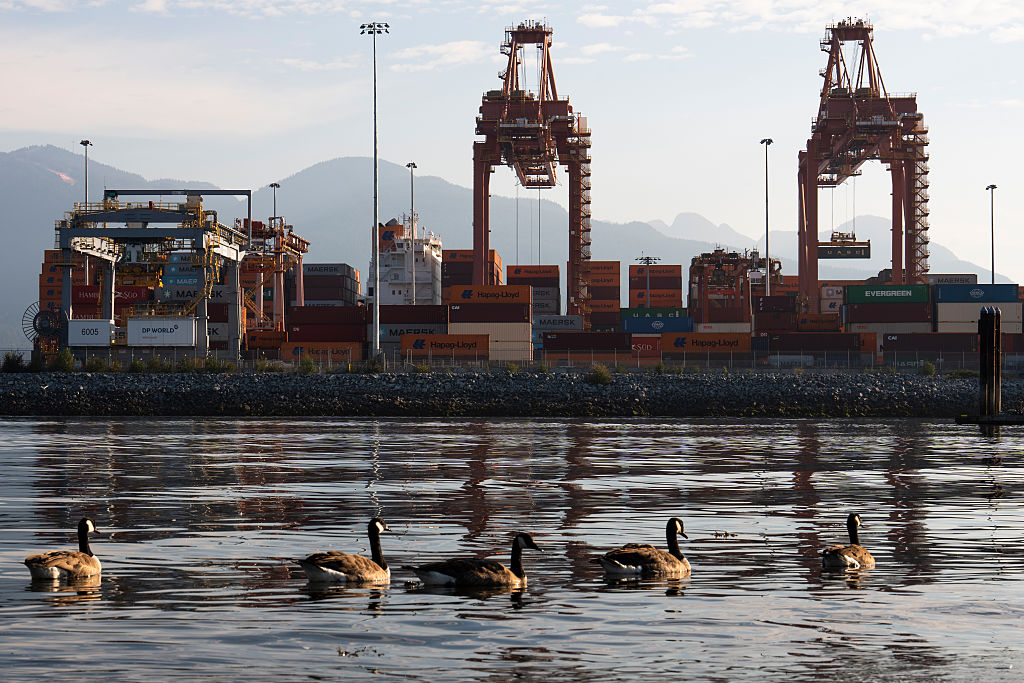
Global logistics companies scrambled. Cargo ships carrying millions of dollars in merchandise found themselves stuck in regulatory limbo at United States ports of entry. Customs officials faced the daunting task of verifying the origin of every thread, component, and raw material inside packed shipping containers.
Paperwork backed up. Costs spiraled.
The Invisible Weight on American Workers
Back in the United States, the narrative around tariffs often centers on protecting local jobs and standing up for ethical standards. On paper, it sounds simple: stop importing goods made under cruel conditions, and force companies to make things locally or buy from fair-wage partners.
Reality refuses to be that simple.
American business owners faced immediate choices: absorb the crushing tariff penalties, embark on an expensive quest to rebuild supply chains from scratch, or pass the cost directly to consumers.
Take a small manufacturing business in Ohio that relies on imported specialized components to assemble water filters. The owner can't find those specific parts domestically; the infrastructure simply doesn't exist anymore. Overnight, the cost of importing those parts doubles. The business owner doesn't hire more local workers. She freezes hiring. She cuts back operations.
Every economic decision carries a trade-off. Punishing unethical practices abroad is a noble objective. But doing so through broad economic hammers often strikes the very people who can least afford the impact—working families struggling with inflation at home and vulnerable workers facing sudden unemployment abroad.
A Way Forward Beyond the Hammer
Fixing global supply chains requires more than blunt financial force. Human rights violations in manufacturing are real, pervasive, and unacceptable. Yet, penalizing entire regions through blanket tariffs often punishes the innocent alongside the guilty.
True accountability demands granular transparency, international cooperation, and targeted enforcement rather than sweeping economic blockades.
When policy makers focus solely on financial pressure, they miss the opportunity to build sustainable, ethical systems that protect human dignity without collapsing local economies. Until trade policy balances moral clarity with economic reality, the burden will continue to fall on those who have no seat at the negotiation table.
The tag on that shirt in the store tells a much larger story than a price. It reflects an interconnected world where every policy decision ripples across oceans, touching real lives in ways a spreadsheet can never capture.