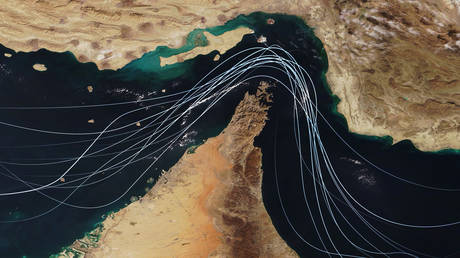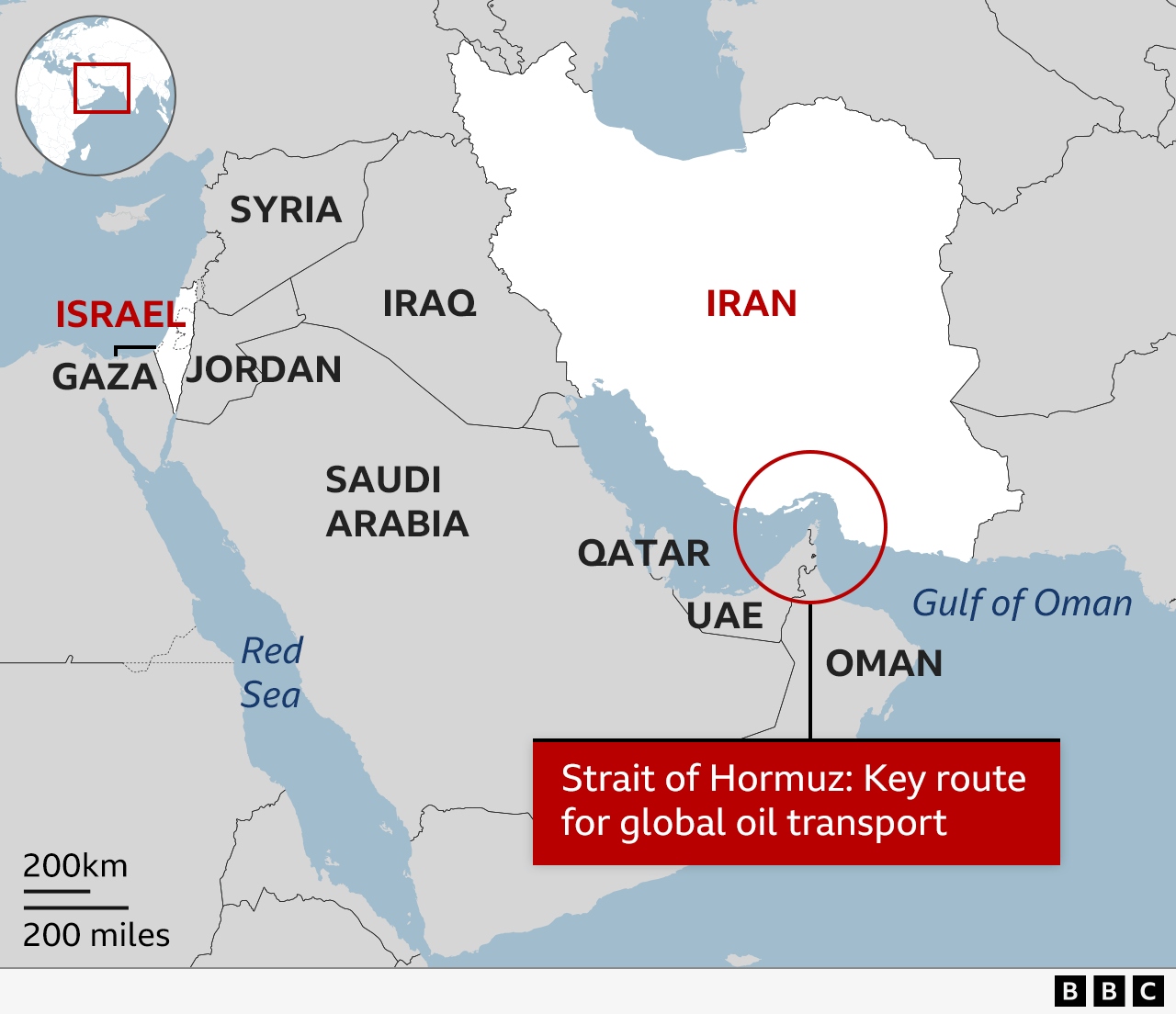
The announcement of the "Maritime Freedom Construct" by the State Department this week felt like a ghost from a previous era. It is a desperate attempt to fix a broken artery with a bandage made of diplomatic cables. As of today, April 30, 2026, the Strait of Hormuz is not merely congested; it is a graveyard of the global "freedom of navigation" doctrine that has underpinned international trade for nearly a century.
Washington’s pitch to allies to join a new naval coalition is aimed at getting ships moving through the 21-mile-wide choke point where the Persian Gulf meets the Gulf of Oman. But the reality on the water tells a different story. Since the March 4 closure, Brent Crude has settled into a terrifying orbit above $120 per barrel. While President Trump recently declared the waterway "open for business," insurance underwriters at Lloyd’s of London aren't buying the rhetoric. They are looking at the 71 confirmed strikes on maritime infrastructure and the reality of a "selective blockade" where Tehran decides who passes and who burns.
The Mirage of Collective Security
The core problem with the new Maritime Freedom Construct (MFC) is that it treats a systemic war like a regional piracy issue. We are no longer dealing with skiffs and boardings. We are dealing with high-end saturated drone swarms and smart mines that the current coalition fleet is struggling to intercept.
Foreign diplomats received the State Department cable with a skepticism born of exhaustion. For months, European and Asian partners have watched the U.S. enforce its own blockade on Iranian ports while simultaneously demanding that the rest of the world help keep the Strait open for everyone else. This duality has created a strategic paralysis.
Why the Navy Can't Just "Sweep" the Problem Away
Clearing the Strait of mines is not a weekend project. The Navy’s mine-countermeasure ships are few, and the technology required to secure a channel against modern "cloaked" mines is being deployed at a fraction of the necessary scale.
- The Depth Factor: The Strait’s unique bathymetry makes sonar detection difficult.
- The Swarm Threat: For every minesweeper deployed, the IRGC has shown a capability to launch dozens of cheap, autonomous attack craft.
- The Insurance Wall: Even if the U.S. Navy declares a channel "safe," commercial tankers will not enter without War Risk insurance. Currently, those premiums are higher than the value of the cargo for many independent operators.
The Hidden Winners of the Chaos
While the global economy shudders under the weight of $120 oil, a shadow economy is thriving. This is the "why" that most news reports miss. The closure of the Strait hasn't stopped all Iranian oil; it has simply redirected it into a "dark fleet" that operates with total impunity.
Satellite imagery from earlier this week shows tankers listed on the "Ghost Armada" conducting ship-to-ship transfers in the Bay of Bengal and off the coast of China. These vessels are flying flags of convenience and operating with their transponders turned off. By forcing the world into a blockade, the U.S. has inadvertently handed a monopoly on regional transit to the very actors who are most comfortable operating in the shadows.
India and China are not waiting for a U.S.-led coalition. They are negotiating directly with Tehran. This creates a fragmented maritime order where "freedom of navigation" is replaced by "bilateral permission." If you have a deal with the local power, you sail. If you rely on the "international rules-based order," you sit at anchor in the Gulf of Oman, watching your margins evaporate.
The Grocery Emergency Nobody Predicted
The discussion often centers on oil, but the true crisis for the Gulf Cooperation Council (GCC) states is caloric. The Strait of Hormuz carries 80% of the food consumed in the region.
In Dubai and Doha, the "grocery supply emergency" is no longer a forecast; it is a daily reality. Staples like rice and flour are being airlifted in at four times the usual cost. This isn't just a business problem; it’s a stability problem. The GCC’s economic model was built on the assumption that the Strait would never, under any circumstances, be closed. That assumption is now dead.
A Failed Policy of Tripled-Up Escalation
The administration's recent order to "triple up" minesweeping activity and shoot any boat threatening American shipping sounds decisive. In practice, it is reactive. We are seeing a mismatch between 20th-century naval doctrine and 21st-century asymmetric warfare.
The U.S. Central Command reported redirecting 39 vessels to ensure compliance with the blockade. This shows the U.S. can effectively stop traffic going in to Iran, but it cannot guarantee the safety of traffic coming out from its allies. This asymmetry is the fatal flaw in the MFC. You cannot build a coalition of the willing when the "willing" are the ones bearing 100% of the risk while the leader of the coalition is largely energy independent.
The "Maritime Freedom Construct" is a name looking for a strategy. Unless the coalition can offer more than just "information sharing"—specifically, a permanent, physical corridor that is invulnerable to drone and missile saturation—the world's most important waterway will remain a toll road owned by the highest bidder. The era of the open ocean is over; the era of the guarded alleyway has begun.