Geopolitical realignment rarely announces itself with a thunderclap. More often, it arrives quietly in the corridors of a convention center in Koror, Palau, during the 55th Pacific Islands Forum Leaders Meeting.
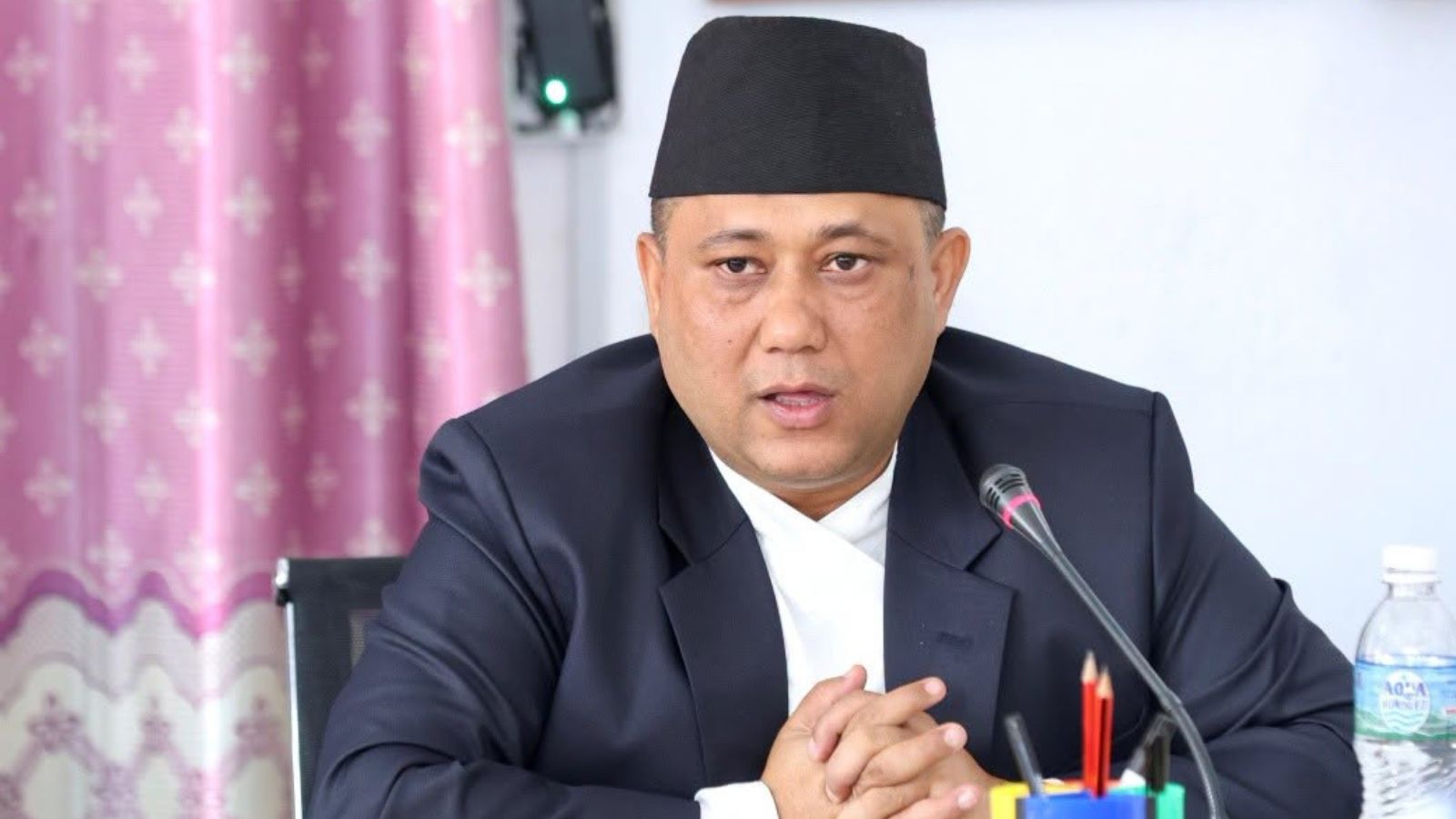
When India's Minister of State for External Affairs, Pabitra Margherita, sat down with Tongan Prime Minister Lord Fakafanua, the diplomatic optics extended far beyond a routine exchange of pleasantries. Accompanied by Crown Prince Tupoutoʻa ʻUlukalala and the Consul of India to Tonga, the high-level delegation zeroed in on a fundamental reality that larger superpowers frequently overlook. Small island states are no longer passive bystanders in great power competition. They are active architects of maritime security, digital infrastructure, and climate resilience in the Blue Pacific Continent.
Understanding why this specific bilateral engagement matters requires looking past standard diplomatic bulletins. For decades, international relations theory treated the vast expanse of the Pacific Ocean through a reductive lens. Major capitals viewed these nations as distant dots on a map, valuable only for their voting blocs in international bodies or their strategic maritime locations. That era has ended. Rising sea levels, shifting trade routes, and intense geopolitical friction have turned the Pacific into the most heavily contested diplomatic theater on earth.
India's strategy, anchored by its Act East policy and the Indo-Pacific Oceans Initiative, relies on a distinct mechanism. Instead of pushing top-down security pacts or debt-heavy infrastructure loans, New Delhi has leaned heavily into demand-driven Quick Impact Projects. These initiatives span water management, solar energy, healthcare, and digital capacity building across fourteen Pacific Island countries.
During the discussions in Koror, the focus shifted toward practical execution. Tonga, having recently completed its tenure within the Pacific Islands Forum Troika, understands the mechanics of regional continuity better than most. The nation's leadership has consistently pressed international partners for tangible climate financing rather than empty declarations. By aligning bilateral support with these explicit priorities, India is positioning itself as a reliable alternative to traditional security guarantors who often tie aid to rigid ideological conditions.
The integration of emerging technology into this partnership reveals another layer of strategic depth. While legacy analysts obsess over naval deployments and port access, diplomatic conversations in Palau turned toward artificial intelligence. The application of machine learning models to agricultural planning, early warning disaster systems, and public healthcare delivery represents an urgent frontier for island states. When a nation faces existential threats from meteorological volatility, digital predictive tools carry vastly more immediate value than conventional defense pacts.
Critics frequently argue that mid-tier regional powers lack the financial muscle to match the massive infrastructure outlays of traditional heavyweights in the region. That critique misses the point entirely. The currency of modern influence in the Global South is responsiveness. When a partner country delivers solar grids, healthcare training, and decentralized digital infrastructure without trapping local economies in predatory debt, trust compounds rapidly.
The meetings in Palau signaled that the architecture of the Indo-Pacific is shifting from rigid, bilateral hegemony to a network of specialized, interest-driven partnerships. Tonga and India share no land borders, and their bilateral trade volume is modest by global standards. Yet their alignment reflects a shared insistence on international law, sovereign equality, and multilateral institutions that actually function for small states.
As the 55th Pacific Islands Forum concludes, the real test will not be found in the final communique text. It will live in the execution speed of the promised development projects and the practical deployment of climate resilience frameworks. The map of the Indo-Pacific is being redrawn one quiet conversation at a time.