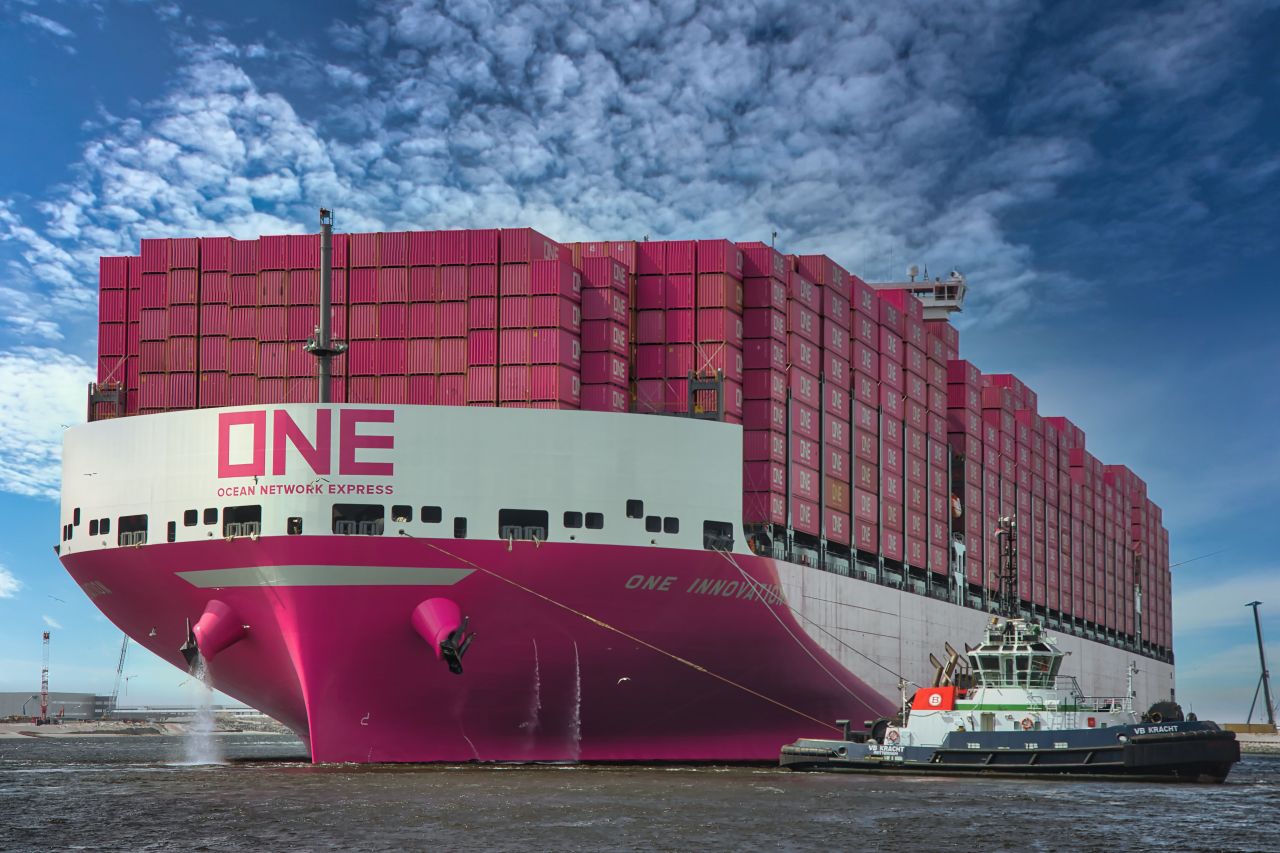
The headlines skip the actual mechanics of what is happening on the ground. When news networks broadcast breaking updates about the regional fallout of the Iran war spilling into Yemen, they focus on the high-level chess pieces. They talk about ballistic missiles, Red Sea shipping routes, and diplomatic standoffs. They miss the human cost piling up in places like Marib and Lahj.
Fighting has intensified dramatically, pushing total casualties past 11,000 since the latest surge began. Hospitals are running out of fuel. Families are displaced for the third or fourth time. If you want to understand why this escalation feels different and infinitely more dangerous than previous lulls, you have to look past the geopolitical abstractions.
The Shift in Ground Dynamics
For years, Yemen’s war was treated as a stalemate. Ceasefires held in fragments, and localized skirmishes substituted for all-out mobilization. That illusion shattered when the regional confrontation involving Iran and its proxies escalated, dragging Yemen back into heavy, multi-front combat.
Governorates like Marib and Lahj have turned into grinding flashpoints. Frontlines that were quiet are now active sectors with daily artillery exchanges and missile strikes. According to health tracking data from agencies like the World Health Organization, daily casualty averages spiked sharply, with individual days routinely seeing hundreds of new injuries and deaths.
This isn't just about opposing armies fighting over territory. It is about urban centers and civilian infrastructure taking direct hits. Clinics are being destroyed. Ambulances have come under fire. When a health center in Lahj or Taiz gets knocked out of commission, the ripple effect means dozens of preventable deaths happen miles away from the actual battlefield.
Why the Displacement Crisis Is Spiralling
Numbers on a screen lose their meaning quickly. Consider the scale: over 320,000 people have been forced from their homes since August. Most of these families are moving internally, fleeing from contested villages into overcrowded southern districts that lack basic sanitation, clean water, or medical supplies.
When you dig into the logistics, the picture gets uglier. Humanitarian organizations are struggling to move medical cargo into besieged areas because fuel shortages paralyze local distribution. Power generators at regional hospitals fail during surgeries. Routine vaccination campaigns for children are disrupted.
People are fleeing with nothing, crowding into makeshift camps where diseases like cholera and dengue find fertile ground. Even when localized ceasefires or humanitarian pauses are floated in international talks, they rarely translate to the front lines where local commanders continue pressing their advantage.
The Regional Spillover Effect
Yemen's internal conflict is no longer contained within its borders, nor is it separate from the broader Middle Eastern theater. Houthi military actions targeting maritime lanes and launching retaliatory strikes toward regional capitals keep the international spotlight fixed on the Bab al-Mandab Strait.
Every escalation in the wider confrontation between Iran, Israel, and Gulf states immediately reverberates locally. Supplies tighten. Prices for food and fuel surge across local markets. Ordinary citizens bear the brunt of inflation compounded by active warfare.
International mediation efforts face a brick wall. Trust between warring factions is non-existent. Both sides calculate that military pressure is the only language that works, ensuring the cycle of violence continues unchecked.
The immediate future looks bleak for anyone trapped in the active zones. Medical teams are operating on short-term funding that runs out soon, and trauma stabilization points remain dangerously sparse. Until sustainable political frameworks replace the current momentum of retaliation, the humanitarian toll in Yemen will keep climbing.