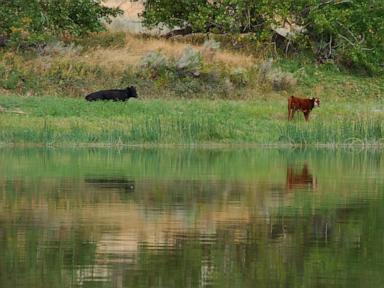
The Department of the Interior just sent a clear message to anyone who hikes, hunts, or simply breathes air in the American West: extraction is the only "use" that truly matters. On May 11, 2026, the Trump administration officially finalized the repeal of the Bureau of Land Management’s (BLM) Public Lands Rule. By doing so, they've effectively stripped conservation of its status as a legitimate "use" of our shared acreage.
It’s a move that feels like a gut punch to anyone who believes 245 million acres of public land should be more than just a piggy bank for oil and gas CEOs. If you’re wondering why this matters to you, consider this: one in ten people in the West gets their clean drinking water from BLM-managed lands. By prioritizing drilling and mining over the health of these watersheds, we aren't just losing "scenery"—we're risking the literal lifeblood of the region.
The Death of Balance on Federal Land
The Public Lands Rule, finalized in 2024, wasn't some radical environmentalist takeover. It was a long-overdue attempt to bring the BLM in line with its own 50-year-old mandate. Under the Federal Land Policy and Management Act (FLPMA) of 1976, the agency is supposed to manage land for "multiple use." For decades, that "balance" has been a joke.
Right now, about 81% of BLM lands are open to oil and gas leasing. Only 14% have any form of permanent protection. The 2024 rule tried to fix this by allowing conservation to be weighed equally with mining and grazing. It introduced things like "restoration leases," where organizations could pay to fix degraded habitats.
The current administration calls these rules "onerous" and "unlawful." Interior Secretary Doug Burgum argued that the rule threatened to "lock away" productive lands. Honestly? That’s a stretch. The rule didn't stop mining or drilling; it just required the government to check if a specific piece of land was more valuable as a healthy ecosystem or a carbon sink before they handed over the keys to an extraction company.
Why the Repeal Hurts Local Economies
There’s a tired old myth that you have to choose between the environment and the economy. The administration is leaning hard into that narrative, claiming this repeal will "unleash American energy." But they’re ignoring a massive part of the modern Western economy: outdoor recreation.
Outdoor recreation generates over $1.2 trillion in economic output every year. People don't travel to New Mexico or Utah to look at a drill pad; they go to see the "wild" in public lands. When we prioritize industrial-scale development at the expense of landscape health, we're actively sabotaging the small businesses—outfitters, hotels, and gear shops—that rely on pristine spaces.
By erasing the Public Lands Rule, the BLM is no longer required to use science-based decision-making to sustain lands for the long term. Instead, they’re reverting to a 19th-century mindset where the land is only "useful" if you can dig it up, chop it down, or graze it to the dirt.
Ignored Public Opinion and Tribal Rights
Perhaps the most frustrating part of this reversal is how little the public’s voice seemed to matter. During the formal comment period for this rescission, a staggering 98% of commenters urged the administration to keep the Public Lands Rule. We’re talking about local leaders, hunters, anglers, and tribal representatives.
The administration basically looked at that overwhelming consensus and said, "Thanks, but no thanks." Even more concerning is the reported lack of consultation with Indigenous tribes. Many tribal nations sit directly adjacent to these federal lands and have deep cultural and spiritual ties to them. Rescinding the rule without meaningful tribal engagement isn't just a policy shift; it’s a sign of profound disrespect to sovereign nations.
What This Means for Wildlife
If you care about biodiversity, this repeal is a disaster. BLM lands are home to more than 300 threatened and endangered species. They also support over 2,400 other "at-risk" species. These animals don't recognize property lines or "extraction zones." They need connected, healthy habitats to survive.
Without a mandate to prioritize landscape health, the BLM will likely struggle to mitigate the impacts of chronic drought and habitat fragmentation. We’re going to see more "dead zones" where wildlife used to thrive, and fewer protections for the migratory corridors that species like pronghorn and mule deer depend on.
The Legal Battles Ahead
Don't expect this to be the final word. Environmental groups and several states are already gearing up for a fight in the courts. The argument is simple: FLPMA requires the BLM to manage for multiple use and sustained yield. If the agency completely ignores conservation—which is a fundamental part of maintaining a "sustained yield" of resources like clean water and healthy soil—they may be violating federal law.
The confirmation of Steve Pearce as the new BLM director only adds fuel to the fire. Pearce has deep ties to the oil and gas industry and has been a vocal critic of federal land protections. With him at the helm and the Public Lands Rule gone, the agency's transformation into an "Office of Extraction" is almost complete.
How to Get Involved
If you’re tired of seeing public assets sold off to the highest bidder, you can't just sit this one out. The 30-day window before this repeal officially goes into effect is the time to make some noise.
- Contact your representatives: Let them know that you support a balanced approach to public lands and that you want the "multiple use" mandate to actually include conservation.
- Support legal challenges: Organizations like The Wilderness Society, NRDC, and Southern Utah Wilderness Alliance are on the front lines of the legal battle to protect these lands.
- Engage with local land planning: The BLM still has to go through public processes for specific regional land-use plans. Show up to those meetings and demand that conservation stays on the table.
Our public lands belong to everyone—not just the industries that can afford the best lobbyists. Allowing them to be managed as a single-use industrial zone is a betrayal of the American people and the generations who will inherit this land after we're gone.


