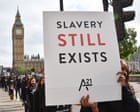
The media is popping champagne over the Home Office’s latest policy tweak. Care workers, chefs, and other sponsored migrants who escape modern slavery can now legally switch employers without losing their visa status. Activists are calling it historic. Charities are praising the long-overdue common sense.
It is a comforting narrative. It is also a systemic illusion. In other updates, read about: The Gran Canaria Migrant Tragedy Nobody Wants to Talk About.
By framing modern slavery as an administrative glitch that can be fixed by loosening employer sponsorship rules after the fact, the government and its cheerleaders are missing the point entirely. The entire architecture of tied migration is an engine of exploitation. Handing victims a permission slip to change jobs only after they have survived a conclusive grounds decision is like giving someone a parachute after they have hit the ground.
The Bureaucratic Maze Masquerading as Liberation
Let us look at the mechanics of this so-called reprieve. To utilize this new freedom, a migrant worker must first be formally recognized as a victim of modern slavery through the National Referral Mechanism (NRM). Reuters has analyzed this fascinating issue in extensive detail.
The NRM is not a fast-pass ticket; it is a notoriously slow, opaque administrative bottleneck. The backlog is staggering, and the evidentiary burden placed on traumatized, debt-bonded workers is immense. For every worker who successfully navigates this bureaucratic labyrinth to secure a positive conclusive grounds decision, dozens more slip through the cracks, terrified of speaking out because the alternative is destitution or deportation.
Definition Check: Modern slavery within the visa system is not merely isolated rogue employers behaving badly; it is a structural feature born from tying an individual’s legal right to reside directly to their economic benefactor.
When you bind a worker's right to remain to a single corporate sponsor, you outsource immigration enforcement to private companies. You create a power dynamic so lopsided that abuse becomes economically rational for bad actors. The fix is not making it marginally easier to escape once the crime is already complete. The fix is decoupling residency from employment entirely.
The Math of Exploitation
Between the introduction of the post-Brexit immigration architecture and recent crackdowns, hundreds of thousands of workers entered on tied visas. Over 6,600 sponsor licences have been revoked recently, with thousands chopped in the past year alone. That statistic is celebrated as aggressive enforcement by the state.
Think about what that number actually represents. It means thousands of businesses functioned long enough as human routing systems for abuse before the state noticed.
Imagine a scenario where a care provider brings a worker from overseas on a sponsored visa, charges them exorbitant upfront recruitment fees that trap them in illegal debt bondage, confiscates their documents, and forces 80-hour workweeks under minimum wage. By the time the state revokes that sponsor licence, the worker has already endured months or years of psychological destruction. Allowing that same worker to find a new sponsor after the NRM process does nothing to erase the trauma or recover the stolen wages. It simply provides a fresh supply of labor to a market still built on a foundation of sand.
Why the Lazy Consensus Fails
The consensus among mainstream immigration campaigners is that we need better oversight, more inspections, and targeted exemptions for specific sectors like social care.
This is wishful thinking. More inspectors will not fix a broken incentive structure. When an industry like social care is chronically underfunded by the state, it relies on cheap, captive overseas labor to stay solvent. The economic pressure cooker guarantees that marginal operators will cut corners, squeeze workers, and use the threat of visa cancellation to enforce silence.
Targeted visa reprieves treat the symptom while ignoring the disease. If you want to eradicate modern slavery in the supply chains of human labor, you must eliminate the leverage that enables it.
The Real Fix
True reform requires two radical departures from current orthodoxies:
- Unconditional Portability from Day One: Workers must have the absolute right to switch employers instantly without needing Home Office permission or a new certificate of sponsorship to keep their clock ticking toward settlement.
- Amnesty for Workforce Whistleblowers: Any worker who reports labor violations should automatically receive temporary residency protection independent of their employer's status, shifting the fear of deportation entirely onto the exploiter.
Until Westminster has the courage to untie the visa from the master's ledger, every policy "reprieve" is just window dressing on a cage.