There is a specific kind of quiet that fills a dressing room right before the house lights go down. It smells of melting spirit gum, cheap hairspray left running on high, and the sharp, metallic tang of anxiety. You can hear the low, collective rumble of an audience through the heavy velvet curtains—a breathing, unpredictable beast waiting to be fed.
For the performers standing backstage, adjusting towering wigs and cinching corsets until their ribs protest, the mirror is an altar. They paint their faces with greasepaint and glitter not to hide, but to reveal. Every sweep of eyeliner and every gluestick-flattened eyebrow is an act of defiance against a world that demands they be small, quiet, and easily digestible.
Then came the law.
Texas Senate Bill 12 arrived like a cold front across the Lone Star State, designed to criminalize the very breath these artists take. It was a legislative sleight of hand, wrapping a sweeping prohibition on adult cabaret performances in the sterile language of public decency. But everyone in the dressing rooms knew the truth. It wasn't about the children. It was about erasure. It was about taking a centuries-old tradition of theatrical exaggeration, biting satire, and gender illusion, and dragging it into a courtroom to choke it out.
Consider what happens when politicians try to legislate art. They reach for a sledgehammer when they need a scalpel. The law threatened performers and venue owners with heavy fines and jail time, transforming a Saturday night celebration of camp and community into a high-stakes criminal enterprise.
Suddenly, every sequin felt heavy. Every lip-sync felt like a witness stand.
Enter a federal judge in Austin, and unexpectedly, Dolly Parton.
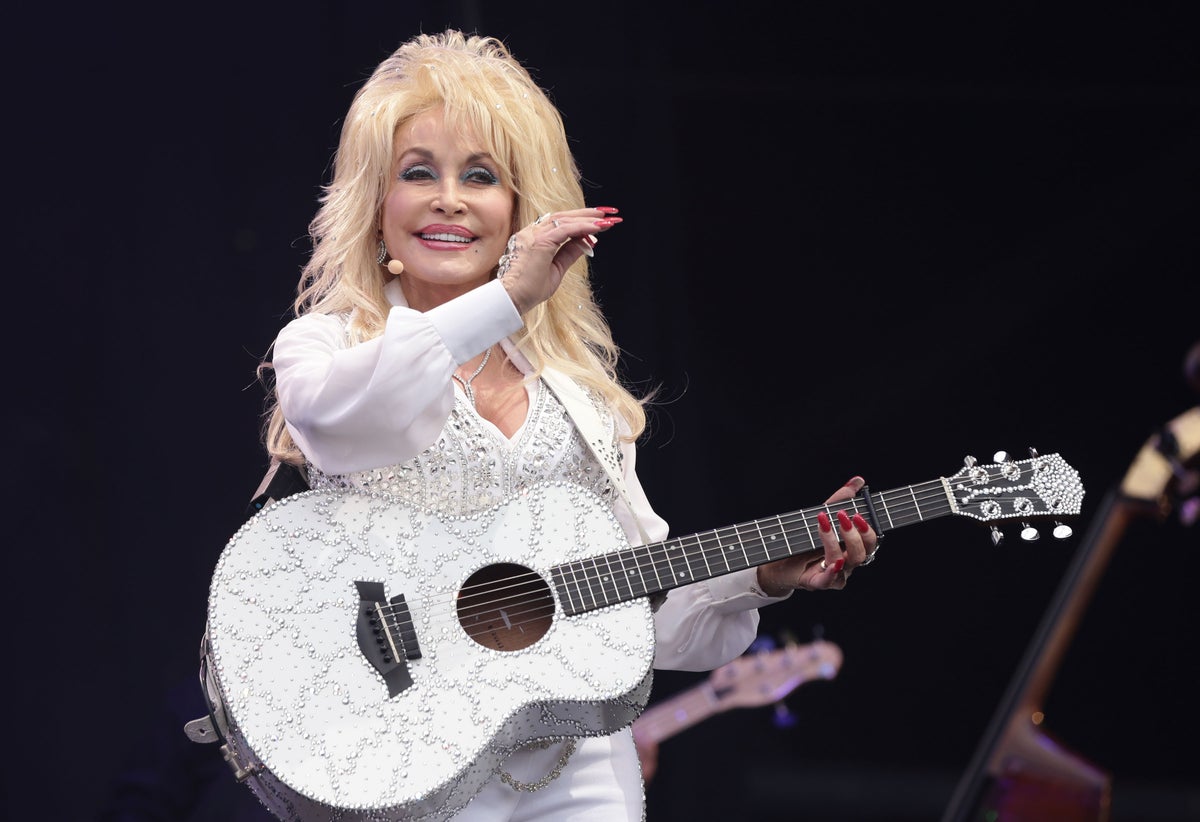
When U.S. District Judge David Hittner struck down the Texas drag ban, ruling it an unconstitutional violation of the First Amendment, he didn't just write a dry legal opinion. He grounded his decision in the bedrock of American free expression. And in a moment that caught the courtroom off guard, he invoked the queen of country music herself. Dolly, with her theatrical pageantry, her towering wigs, her exaggerated femininity, and her unapologetic camp, became the ultimate legal litmus test.
If Dolly Parton performing in all her rhinestone-encrusted glory is protected American art, how could a local drag queen lip-syncing to Whitney Houston in a smaller venue be a threat to public safety?
The absurdity of the comparison exposed the law for what it truly was: viewpoint discrimination wrapped in moral panic.
I remember sitting in a packed, dimly lit bar in Houston the night the preliminary injunction was first discussed, months before the final ruling. The air was thick with the scent of spilled beer and perfume. A queen named Maya, whose eyelashes brushed her eyebrows and whose laugh could rattle the glassware, took the mic between numbers. Her hands were shaking. Not from fear of the crowd, but from the quiet, crushing weight of a state government telling her that her existence was obscene.
"They want us to be ghosts," she told the room, her voice dropping the comedic cadence of the night. "They want us to disappear quietly so they don't have to look at us."
The room went dead silent. No clinking glasses. No chatter. Just the hum of the neon beer signs on the brick wall.
That is the invisible stake in battles like this. It is never just about whether a show can go on. It is about whether a community is allowed to gather, to breathe, to look at one another and realize they are not alone in the dark.
Judge Hittner’s ruling recognized that performance—no matter how loud, how glittering, or how challenging—is speech. The First Amendment does not protect only polite conversation. In fact, polite conversation rarely needs its protection. The Constitution guards the eccentric, the loud, the strange, and the subversive precisely because those are the expressions authoritarian impulses love to crush first.
When the gavel came down striking the ban, it wasn't just a legal victory. It was a permission slip for joy.
Across Texas, dressing room mirrors lit up again. Wigs were pulled from protective boxes. The glue dried. The music swelled.
In the end, the law tried to build a cage out of statutory definitions and moral outrage. But it forgot a fundamental rule of cultural history. You cannot legislate away a mirror. When the state tries to dim the lights, art simply finds a way to shine brighter, reflecting back a truth the courtroom could not ignore and a spirit that no gavel can ever silence.