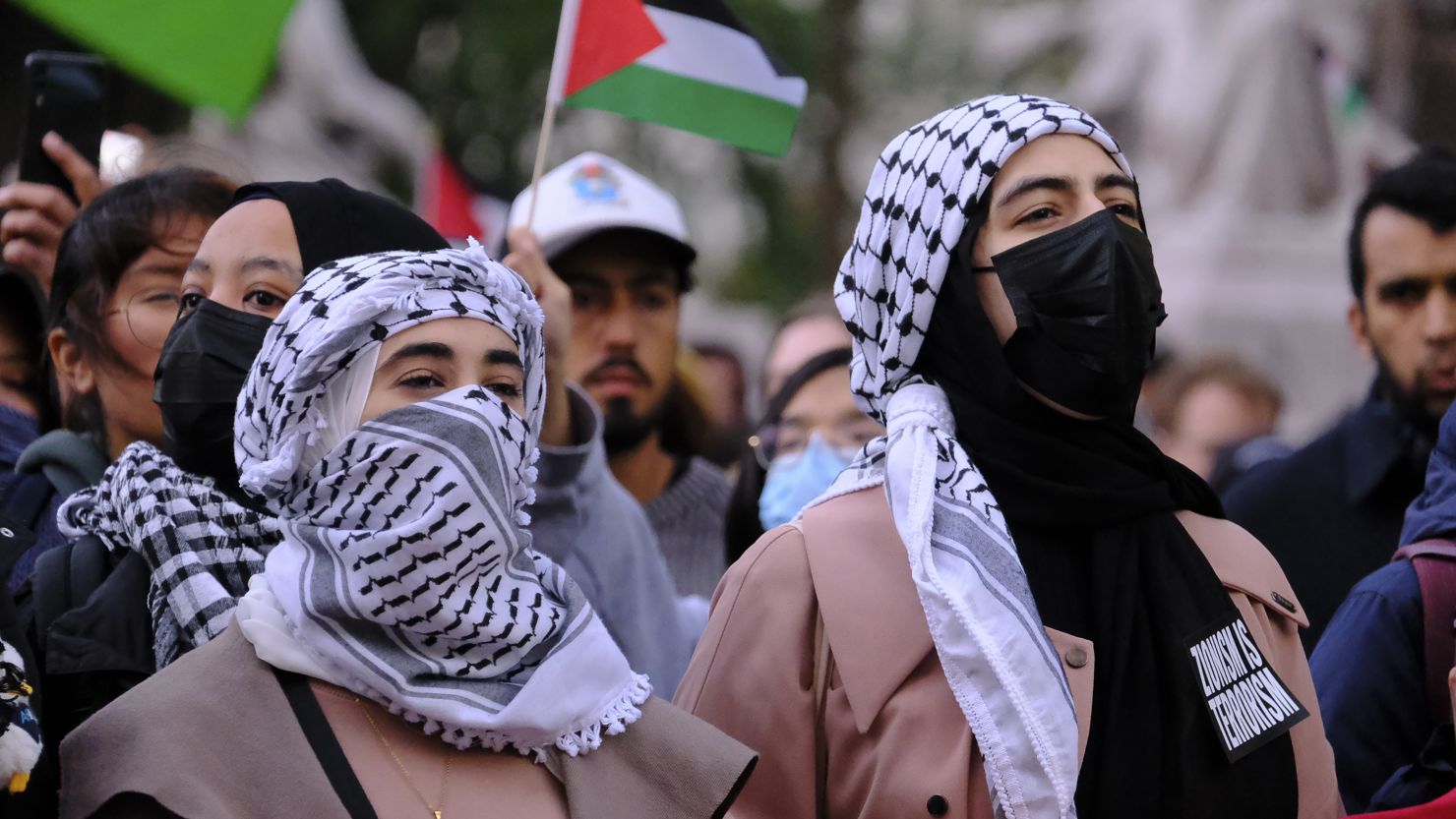
The phone doesn't stop ringing at legal defense clinics across the United States. If you thought the wave of student activism would quiet down by 2025, you haven't been watching the court dockets. Thousands of students and faculty members are currently navigating a maze of disciplinary hearings, criminal charges, and professional blacklisting. The demand for Pro-Palestine legal aid remains at record highs because the stakes have shifted from simple campus wrist-slaps to life-altering legal battles.
We’re seeing a massive bottleneck in the legal system. Most people assume a student protest ends when the tents come down. It doesn't. For many, that's just day one of a three-year legal headache.
Why the Legal Crisis on Campus is Accelerating
The sheer volume of cases has overwhelmed traditional civil rights infrastructure. In 2024, organizations like Palestine Legal and the ACLU reported a surge in requests for help that they simply couldn't keep up with. By mid-2025, that backlog hasn't shrunk. It’s grown.
Universities have swapped out old-school dialogue for high-tech surveillance and rigid conduct codes. When a student gets an email from the Office of Student Conduct, they aren't just looking at a Saturday detention. They’re looking at permanent transcript notations that can kill a medical school application or a law career before it starts.
Lawyers who specialize in this field are exhausted. I’ve spoken with advocates who describe the current environment as a "legal arms race." Universities are hiring outside "white shoe" law firms to prosecute disciplinary cases against 20-year-olds. It’s a mismatch. Students are walking into hearings where the rules of evidence don't apply, yet the consequences feel like a criminal court.
The Shift from Criminal Charges to Administrative Warfare
Early on, the headlines focused on mass arrests and zip-ties. Now, the battlefield is administrative. Universities found that criminal charges often get dropped by local DAs who don't want to clog up the courts with "disturbing the peace" charges.
Instead, schools use internal "Administrative Warfare."
They use vague "harassment" or "disruption" policies to suspend students indefinitely. This is where the legal aid requests are spiked. If a student is arrested, they get a public defender. If a student is suspended, they’re on their own. Most legal aid groups are now pivoting to help students navigate these internal tribunals, which often lack basic due process.
I’ve seen cases where students were barred from campus housing with only 24 hours' notice. They weren't allowed to have a lawyer speak during their hearing—only "advise" them in whispers. This isn't just about free speech anymore. It’s about the right to finish the education you’ve paid $200,000 for.
Professional Retaliation and the New Blacklist
It’s not just the kids in the quads. Faculty members are increasingly the ones calling for legal help. Tenure used to be a shield. Now, it’s looking more like a target.
We are seeing a disturbing trend of "doxing" that leads to immediate professional consequences. Groups are monitoring social media feeds and classroom lectures, then pressure-campaigning university donors to force firings. When a professor gets a "de-tasking" letter, they need high-level employment law expertise immediately.
Legal aid groups are also dealing with the fallout of the "Canary Mission" style blacklisting. Students are finding their names on websites that label them as "sympathizers" or "extremists," making them unemployable in certain sectors. Lawsuits to remove defamatory content or to protect privacy have become a huge part of the 2025 legal workload.
Government Pressure and Title VI Complaints
The federal government has entered the chat in a big way. The Department of Education’s Office for Civil Rights (OCR) is buried under Title VI complaints.
Title VI of the Civil Rights Act of 1964 prohibits discrimination based on race, color, or national origin in programs receiving federal financial assistance. Both sides are using this as a weapon. Some claim universities aren't doing enough to protect Jewish students from a hostile environment. Others argue that Palestinian and Arab students are being targeted for their identity and political speech.
This dual-pressure puts university presidents in an impossible spot. Their response is usually to over-regulate everyone. This leads to more rules, more violations, and—you guessed it—more calls to legal aid clinics.
The Financial Wall for Legal Clinics
Here’s the reality nobody wants to talk about. Most of the organizations providing this aid are non-profits. They rely on donations. While the public's attention might drift to the next news cycle, the bill for a private defense attorney doesn't go away.
Average hourly rates for a competent civil rights lawyer can easily hit $400 or more. A single contested disciplinary case can cost a family $10,000 in legal fees just to keep their kid in school. Pro-bono networks are stretched thin. If you’re a student today, you can't just assume a "movement lawyer" will be there to catch you. You have to be your own first line of defense.
Common Mistakes Students Make Before Calling a Lawyer
I see the same errors over and over. Students think the university "dean of students" is their friend. They aren't. They represent the institution’s liability interests.
- Talking too much: Students often try to explain their political philosophy during a disciplinary intake. Don't. Anything you say will be used to build a "disruption" case against you.
- Assuming digital privacy: Schools are pulling data from campus Wi-Fi and ID card swipes to track who was where and when.
- Signing "agreements": Universities often offer "informal resolutions" that include an admission of guilt. These can haunt a background check for years.
Immediate Steps if You Face Disciplinary Action
If you get that dreaded "Notice of Investigation" or a summons to a conduct meeting, don't panic, but don't ignore it. The clock is already ticking.
- Request your full file: You have a right under FERPA to see the evidence the school has against you. Demand it before you answer a single question.
- Document everything: Keep a log of every interaction with campus police or administrators. Save emails. Take screenshots of social media posts before they get deleted or altered.
- Check your student handbook: The handbook is a contract. If the school doesn't follow its own procedures, that’s your biggest legal lever.
- Contact a specialized clinic early: Don't wait until the night before your hearing. Groups like Palestine Legal or the National Lawyers Guild (NLG) have specific intake forms for these cases.
The pressure on US campuses isn't an anomaly. It's the new standard for how activism is handled in the 2020s. Staying informed isn't just about being a good activist—it's about surviving the system that's trying to quiet you. Keep your head down, keep your records organized, and don't sign anything without a second pair of eyes.