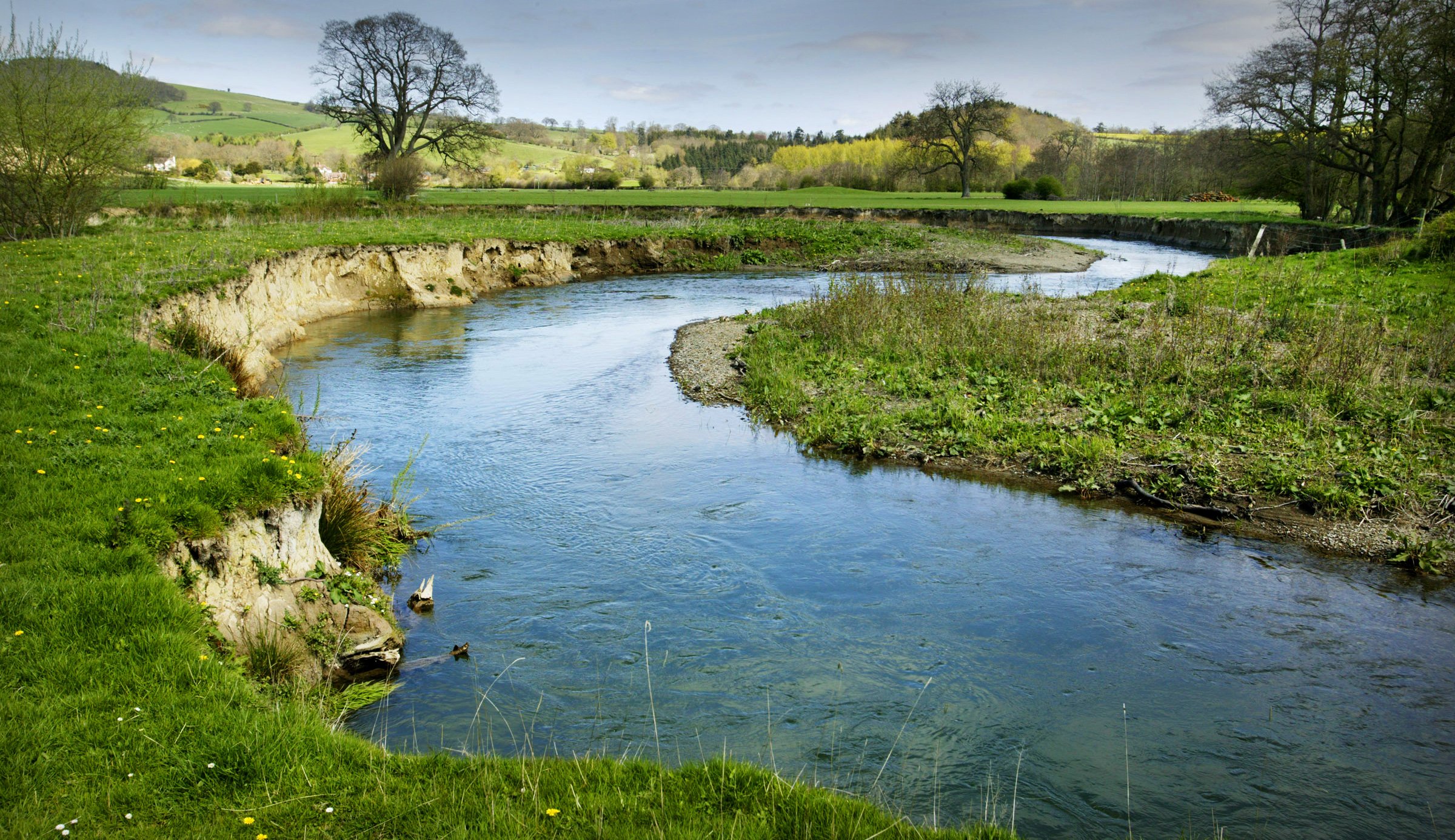
Water does not check passports. When the monsoon breaks over the high ridges of the Himalayas, gravity takes over. The rain falls on rock and soil, gathering strength, turning into a brown, rushing wall that treats political lines as nothing more than ink on paper.
Meet Rajesh. (Note: Rajesh is a hypothetical ranger, constructed from the shared experiences of dozens of frontline forest officers and disaster responders who patrol the borderlands.) Rajesh sits in a stone watchtower overlooking a narrow gorge where India, China, and Nepal meet. He has watched the river swell for twenty years. He knows the exact shade of grey the sky turns before the flash floods come down from the upper basins. He knows that when the earthen walls upstream give way, his village twenty miles south has less than forty minutes before the water arrives. Don't miss our recent article on this related article.
For forty minutes of warning to mean anything, a phone must ring. A satellite feed must transmit. A bureaucrat in a distant capital must pick up the receiver.
That is where the machinery of modern geopolitics usually breaks. If you want more about the context of this, USA Today offers an in-depth breakdown.
The Geography of Silence
To understand why a disaster in the high mountains ripples outward with such devastating predictability, you have to look at how we divide a connected world into fractured pieces.
The mountains do not belong to one nation. They are a single, breathing organism. The glaciers feeding the Koshi, the Karnali, and the Brahmaputra systems stretch across high-altitude plateaus controlled by Beijing, tumble down steep Nepalese valleys, and fan out across the densely populated plains of northern India. Every year, glacial lakes expand behind unstable dams of ice and loose debris. Scientists call these glacial lake outburst floods. It sounds clinical. It sounds manageable.
Ask anyone who has stood in the mud after a wall of water swept away an entire highway bridge what it sounds like. It sounds like a freight train on loose tracks.
The first hard lesson of the Himalayan watershed is that upstream activities dictate downstream survival. When unseasonal cloudbursts hit the Tibetan plateau, the resulting torrents slam into Nepalese infrastructure before spilling over Indian agricultural belts. Yet, for decades, early warning data has moved slower than the water itself. Diplomatic channels are clogged with protocol. Weather stations report data in silos. One country measures rainfall; another measures river height; a third holds the satellite telemetry. By the time the information is shared across borders, Rajesh’s forty-minute window has shrunk to four. Or zero.
The Cost of Waiting
Consider what happens next when the warning fails.
A community goes to sleep under a heavy, humid blanket of monsoon air. The river rises silently in the dark, chewing away at the banks until an entire neighborhood slips into the current. Bridges snap like dry twigs. Power grids fail.
When the sun rises over the wreckage, the immediate response is a scramble of national pride and fragmented rescue operations. Helicopters fly from Indian bases. Nepalese soldiers dig through mud with bare hands. International aid trickles through customs checkpoints that were never designed for emergency triage. Everyone wants to help, but everyone is operating on a different frequency.
This is the second lesson. Disasters do not negotiate sovereignty. When a crisis strikes, treating environmental data as a state secret or a bargaining chip is a luxury paid for in human lives.
Earthquakes and floods are great equalizers, but they are also diagnostic tools. They expose every crack in regional cooperation. If three nations share a roof, they cannot afford to argue about who owns the bucket while the living room is flooding. Meteorology is blind to flags. The atmosphere does not care about trade disputes or border skirmishes.
Building the Bridge Before the Flood
Change is slow, but necessity is a harsh instructor.
Over the recent years, quiet shifts have begun to happen beneath the diplomatic surface. Scientists and hydrologists from the region have started meeting behind closed doors, bypassing the rigid walls of foreign ministries. They share raw telemetry. They build predictive models that look at the entire river basin as a single hydraulic system rather than three separate national puddles.
This brings us to the third and most difficult lesson. Prevention is cheaper than grief.
It costs millions of dollars to build sophisticated radar-based early warning networks along high-altitude glacial lakes. It costs billions to rebuild washed-out national highways, displaced towns, and shattered agricultural lands. Yet, capital consistently flows toward the aftermath rather than the origin. We wait for the disaster to write the headline, then we open our checkbooks to clean up the punctuation.
True regional resilience requires a radical redesign of how neighbors talk to one another. It means automated sensors placed on remote Tibetan peaks streaming real-time water levels directly to mobile phones in Nepalese mountain towns and Indian flood-control rooms simultaneously. No approvals. No waiting for diplomatic clearance. Just pure, unvarnished data racing ahead of the current.
The Final Gauge
Back in his watchtower, Rajesh checks his radio. The static hums with the familiar weight of the storm.
He looks down at the valley where children are walking home from school, crossing the old suspension bridge over the grey water. They do not know about glacial melt rates or bilateral treaties. They only know the rhythm of the seasons, the weight of their schoolbags, and the sound of the river rushing past.
The water keeps rising. The rain beats against the stone. Somewhere upstream, a sensor blinks to life, sending a silent pulse of electricity through the dark, racing to beat the clock.