Dirt under the fingernails. The specific, heavy smell of wet loam in autumn. We humans have a persistent habit of building our monuments out of things that inevitably crumble. We pour concrete towers, cast bronze statues, and carve marble plaques, only to watch them weather away under acid rain and the indifferent march of centuries.
History behaves differently when it is green.
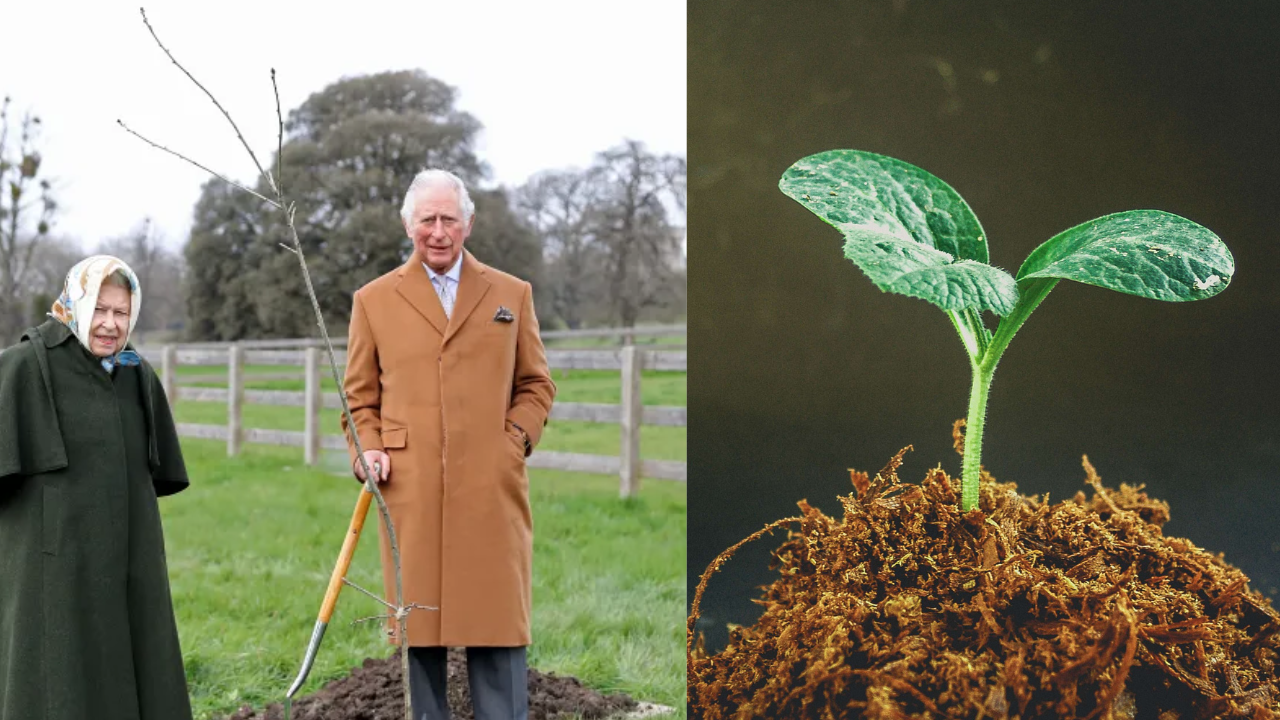
In the spring of twenty-twenty-one, a quiet instruction went out across the British Isles. It did not sound like a royal command booming from a throne room. It sounded like an invitation from an old friend who knew her time was short. Plant a tree. Not just any tree, but one rooted in a specific, monumental moment—the Platinum Jubilee of Queen Elizabeth the Second. Seventy years on the throne. Seven decades of quiet endurance through shifting political tides, economic tremors, and private sorrows.
Consider what that actually means on the ground.
Imagine Arthur, seventy-two years old, standing in a damp Wiltshire field with a spade that belonged to his grandfather. Arthur’s joints ache when the cold damp sets in from the chalk stream nearby. Yet he is kneeling in the mud, pressing the roots of a small, whip-thin hawthorn sapling into the dark earth. This is a hypothetical scenario, yes, but it is multiplied three million times over. Arthur is not thinking about geopolitics or constitutional law. He is thinking about his grandchildren, and whether this little stick of wood will outlive his memory.
The initiative, formally christened the Queen's Green Canopy, was initially designed as a celebration. People across counties, cities, and parishes were encouraged to plant trees from October through March—the traditional planting season—to create a sustainable, breathing living legacy. It was an ingenious redirection of public energy. Instead of buying plastic trinkets or commemorative mugs that would end up in car boot sales or landfills, citizens were asked to invest in soil.
Then history shifted under everyone's feet.
September rolled around. The Queen died. The nation stopped. The shock rippled through communities with a strange, heavy quiet. Television screens flickered with black ribbons, crowds gathered outside palace gates with seas of flowers, and the air felt dense with an era closing.
And then, something remarkable happened to the saplings.
They didn't stop going into the ground. They multiplied.
The initiative, originally meant to mark a milestone of survival, suddenly transformed into a collective anchor for grief. Three million trees. Think about that number for a moment. Three million individual holes dug by hand. Three million root systems finding purchase in schoolyards, urban parks, rural ditches, prison grounds, and royal estates.
How do three million trees actually happen? Not through massive government contracts or corporate machinery alone, though forestry agencies and environmental charities played vital roles. They happened because millions of ordinary people decided that physical action was better than passive sorrow. Children whose names will be forgotten long before these trees reach maturity carried plastic cups of water to parched roots during summer dry spells. Town councils carved out patches of grey asphalt in city centers to squeeze in green lungs. Parishioners in remote hamlets worked together to establish community woodlands that would eventually swallow entire hillsides.
Consider what happens when an entire nation coordinates its collective grief through photosynthesis.
Trees are patient creatures. They do not care about headlines, parliamentary debates, or shifting borders. They stand still and they grow. A single oak planted in a Buckinghamshire churchyard in the winter of twenty-twenty-two will still be standing when the twenty-second century dawns. It will house rooks that haven't been born yet. It will cast shade on children whose grandparents are currently children themselves.
We live in an era obsessed with digital permanence, frantically storing our fragile memories in cloud servers and fleeting hard drives. Yet the most enduring tribute left by a monarch who lived through the analog age turned out to be entirely biological. It is messy. Some saplings died from late frosts or summer droughts; nature is ruthlessly indifferent to our sentimental attachments. But the survivors took hold. They formed a nationwide network of green architecture, a living archive breathing out oxygen and locking away carbon.
The numbers are staggering on paper, but statistics fail to capture the texture of the endeavor. Over six hundred specialized hubs and countless individual planters contributed to the tally. Schools planted mini-woods. Hospitals planted healing groves. The concept expanded from a simple jubilee tribute into a sprawling ecological census of a country trying to figure out how to look forward while standing over a grave.
There is a profound humility in planting a tree. You plant it knowing you will likely never see it at its full maturity. You act as a trustee for the future, handing down a gift of clean air and structural shade to strangers who will inherit the earth you leave behind.
The spade rests against the garden shed wall now. The mud has dried and flaked off the iron blade. Out in the field, the hawthorn sways in a late afternoon gale, its bare branches cutting sharp lines against a bruised winter sky. It looks small. It looks vulnerable against the elements.
Yet, deep beneath the frost line, its roots are gripping the earth with an unyielding, silent fury.