Russia is running out of fuel at the pump. It sounds absurd for a global energy superpower, but it's happening right now. The Kremlin just dropped a massive hammer by banning diesel exports to protect its domestic market. This isn't a minor administrative tweak. It's a direct symptom of a brutal, asymmetric air war that Ukraine is winning with cheap, long-range drones.
If you've been watching the conflict from a purely territorial perspective, you're missing the real story. The actual economic front line isn't in the Donbas. It's hundreds of miles inside Russian territory, where multi-million dollar oil distillation towers are burning down.
Moscow had no choice. They had to cut off the outside world to keep their own military trucks rolling and their farmers harvesting.
The Burning Towers Inside Russian Territory
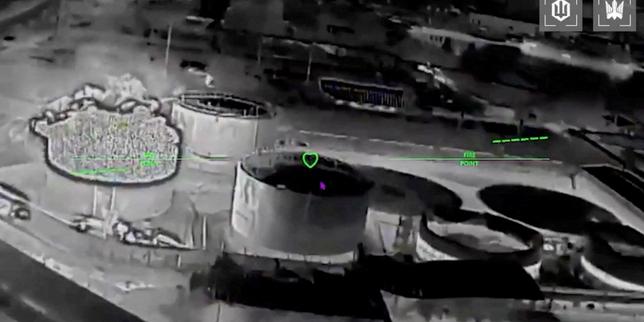
Ukrainian strategists figured out a massive vulnerability. Russian oil refineries are massive, highly centralized, and surprisingly fragile targets. Over the past few months, Ukrainian explosive drones have traveled deep into Russia to hit specific, high-value components of these facilities. They aren't just hitting storage tanks that can be easily rebuilt. They are targeting the primary distillation units, known as CDU-5 and CDU-6.
These distillation columns are the heart of any refinery. They separate crude oil into gasoline, diesel, and jet fuel. They are packed with specialized, heavy technology. Repairing them requires components that Russia cannot easily build itself. Western sanctions mean that getting replacement parts for these advanced systems is an absolute nightmare for Moscow.
Estimates from energy intelligence firms suggest that over fifteen percent of Russia's total refining capacity has been knocked offline at various points. When you lose that much refining power, a crisis is inevitable. Local fuel prices skyrocket. Shortages pop up in agricultural regions. The Kremlin panicked, realizing that domestic instability is a bigger threat than losing foreign cash.
How Ukraine Fights an Asymmetric Energy War
Let's talk about the math of this strategy. A standard Ukrainian long-range strike drone costs a few thousand dollars. They are built with carbon fiber, small gasoline engines, and basic satellite navigation. A single Russian oil refinery tower costs tens of millions of dollars to build and hundreds of millions in lost revenue when it shuts down.
Russia's air defense is spread way too thin. They have to protect front-line troops, major cities like Moscow, and naval bases. They simply don't have enough Pantsir or S-400 systems to ring fence every single pipeline facility and refinery across their vast geography.
Ukraine took advantage of this. They fly low, avoid radar, and strike with precision. The results are devastating. Major facilities like the Ryazan, Norsi, and Kuibyshev refineries have all taken massive hits. You can't hide a burning refinery. The satellite images and social media videos tell the whole story. The domestic supply chain broke, forcing the government to prioritize its own people and military over international buyers.
The Economic Irony of the Export Ban
Diesel is Russia's primary petroleum product export. It brought in billions of dollars to fund the war machine. By banning these exports, Moscow is intentionally cutting off its own economic lifeline.
They are sacrificing cash flow for domestic stability. This shows how desperate the situation has become. It's a massive shift in the economic balance of power. For two years, Russia bragged that sanctions couldn't stop its energy machine. Now, a wave of low-tech drones did what Western diplomats couldn't achieve with paperwork.
The ban affects both European markets that still buy via complex loopholes and major buyers in the Global South. Countries that relied on cheap Russian fuel are suddenly left scrambling for alternative suppliers. This reshuffles global trade routes entirely. Russian diesel used to flow to Turkey, Brazil, and parts of Africa. Now, those buyers have to compete for Middle Eastern or American supply.
What This Means for Global Fuel Markets
Even though Europe officially banned Russian refined products long ago, the global market is deeply interconnected. When Russia pulls millions of barrels of diesel off the market, everyone feels the squeeze.
Global diesel prices are highly sensitive to supply disruptions. Diesel is the literal fuel of global commerce. It powers container ships, freight trains, delivery trucks, and heavy industrial machinery. When diesel prices spike, the cost of moving everything else goes up too.
We are looking at a renewed wave of inflationary pressure. Central banks around the world have been trying to lower interest rates, but high energy costs make that incredibly difficult. The timing couldn't be worse for global logistics networks already strained by shipping issues elsewhere.
Navigating the Volatile Fuel Market
If you are managing a logistics business, trading energy commodities, or tracking corporate supply chains, you need a proactive plan to survive this volatility. Waiting for the market to normalize is a losing strategy.
First, lock in long-term fuel contracts immediately. Spot market prices for diesel are going to be wild for the foreseeable future. If you rely on stable fuel costs to maintain your margins, securing fixed-rate agreements is your best defense against sudden spikes.
Second, diversify your fuel supply channels. Do not rely on suppliers who are exposed to the secondary effects of the Russian ban. Trace your fuel back to its source. Look for suppliers sourcing from North American or Middle Eastern refineries that are running at high utilization rates and are insulated from drone warfare.
Third, hedge your energy exposure through financial markets if you operate at scale. Using diesel futures and options can help mitigate the financial hit of a massive price surge. Talk to your financial advisors to structure a hedge that fits your specific operational volume.
The energy market has changed fundamentally. The vulnerability of refining infrastructure to cheap drone tech means that supply security is no longer just about who owns the oil fields. It's about who can protect the processing plants. Keep your eyes on refinery utilization rates worldwide, and adapt your logistics budgets before the next major strike hits the wires.