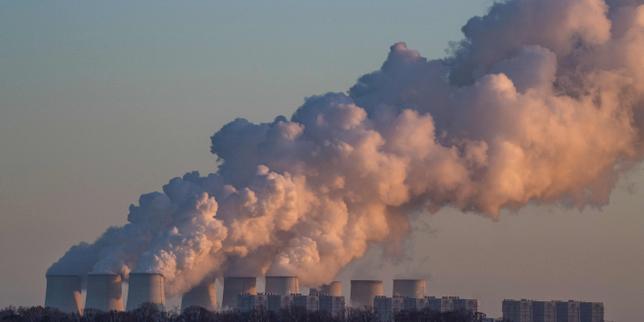
Infrastructure vulnerability isn't a theoretical threat written about in policy papers. It's real. Physical attacks on critical energy grids happen in broad daylight. Saboteurs recently targeted power lines near a major German coal plant using explosive devices.
Most people don't realize how fragile our energy transmission really is. We flick a light switch and assume the juice flows infinitely. It doesn't. A few pounds of explosives in the right spot can plunge industrial zones and residential neighborhoods into chaos. For a different view, read: this related article.
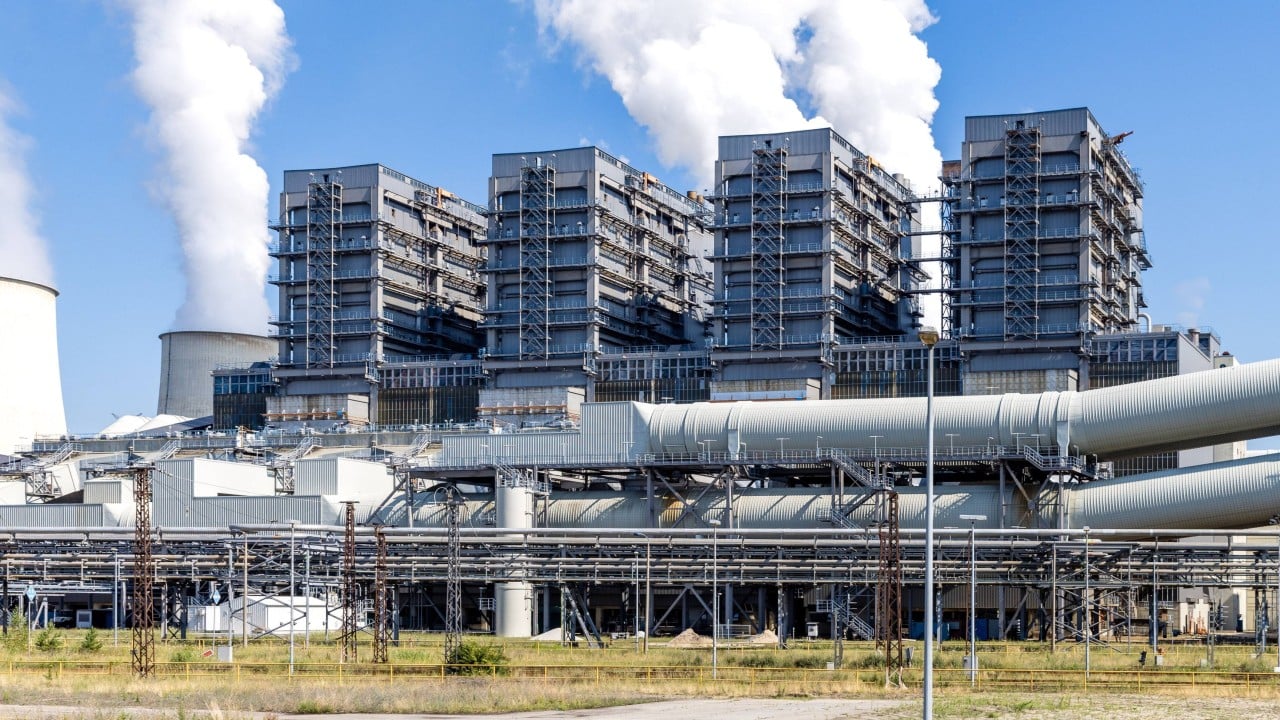
When power lines near a facility like the Jänschwalde or similar lignite-fired plants face direct sabotage, the ripple effects stretch far beyond local blackouts. This incident forces us to look hard at physical security. We spend billions upgrading software to block hackers. We ignore the guy with wire cutters and a pipe bomb standing next to an exposed transmission tower.
The Anatomy of Low Tech Sabotage
High-tech cyber attacks dominate headlines these days. State actors break into grid controls. Ransomware shuts down pipelines. Analysts write long reports about digital warfare. Similar insight on this trend has been published by TIME.
Physical attacks bypass computers entirely. They require zero code. You just need basic materials, local knowledge of the terrain, and an absence of active patrols.
Transmission towers span thousands of miles of rural landscape. You can't fence every mile of high-voltage cable. You can't put a guard next to every single pylon in the countryside. That economic reality leaves massive blind spots. When explosives damage these critical nodes, operators have to scramble. They reroute power loads through alternative corridors. They deal with sudden frequency drops that can trip safety systems across multiple regions.
Grid operators run simulations for equipment failure. They plan for lightning strikes, heavy snow loads, and transformer blowouts. They rarely plan for dedicated bad actors planting charges directly on critical steel lattice towers. That mismatch between expected hazards and actual threats creates massive vulnerabilities.
Why Coal Infrastructure Remains a Target
Coal plants occupy a strange space in modern energy debates. Environmental activists target them for carbon emissions. Radical fringe groups target them because they represent fossil fuel capitalism. Extremist saboteurs target them because they remain indispensable baseload power sources.
When you take out a major coal or gas plant's distribution lines, you hit the system's core stability. Renewable energy provides massive capacity now, but wind and solar fluctuate. Traditional thermal plants provide the inertial mass that keeps grid frequency steady at fifty hertz in Europe.
Disrupting the lines around these plants maximizes immediate disruption. It hits energy security right where it hurts.
Investigators looking into the German incident immediately checked for ideological signatures. Left-wing extremist groups have a long history of claiming responsibility for arsons and sabotage against railway networks and power grids in Germany. Volcano groups and similar underground cells operate under the radar. They use simple arson and explosives to protest infrastructure projects, coal mining, or industrial capitalism.
Police rarely catch them quickly. The investigations drag on for years. The damage gets repaired in days, but the psychological impact lingers.
Securing the Grid Without Turning It Into a Fortress
How do you protect thousands of miles of open-air copper and steel? You can't build a concrete wall around every substation.
Smart grids offer some answers, but they focus on digital intelligence. We need physical resilience. That means investing in redundant lines. If line A goes down from an explosion, line B needs enough spare capacity to pick up the load instantly without causing a cascade failure.
Operators also need better physical monitoring. Drones, acoustic sensors, and thermal imaging cameras can watch remote corridors. These tools cost money. Utility companies operate on tight margins. Regulators must mandate these security upgrades, or power companies will view them as unnecessary expenses until disaster strikes.
You're paying for this security whether you see it on your utility bill or not. A broken grid costs billions in lost industrial output, emergency repairs, and market volatility.
Stop assuming critical infrastructure takes care of itself. The physical vulnerability of our power networks requires immediate attention from lawmakers, grid operators, and security agencies. Patch the digital holes, but keep an eye on the physical wires hanging out in the open fields.
Check your local emergency preparedness plans today. Keep backup power sources ready for your home or business. Build resilience into your own daily operations before the next blackout hits your neighborhood.