Dawn in Lake Hughes does not break with a gentle whisper over the ridges. It arrives sharp and dry, burning the mist off the chaparral before the valley has even rubbed the sleep from its eyes.
If you stood out on that acreage when the light hit the dirt, you would hear it before you saw it. The low, anxious chorus of a hundred displaced lives. The scratch of paws against chain-link. The desperate, hopeful yip of a creature that still believed, against all evidence to the contrary, that a hand reaching through the bars meant food, freedom, or a belly rub.
To the neighbors, it was a cacophony. To the county inspectors, it was a growing ledger of violations. But to the woman at the center of it all, it was simply the line holding back the dark.
Until the morning the district attorney drew a red line right through the middle of it.
Criminal charges.
Not a warning. Not a polite request to scale back operations or file a missing permit. We are talking about the heavy machinery of the justice system rolling up a dirt driveway to halt what started as a desperate mercy mission.
It is easy from the safe distance of a polished urban desk to look at an overcrowded rescue operation and see only the infractions. The stacked crates. The thin ledger books. The pungent, undeniable testimony of too many animals and too few pairs of hands. We categorize these failures neatly into legal statutes, nodding along with press releases that speak of neglect, zoning violations, and public nuisance.
But statutes do not capture the trembling weight of a Tuesday night when a panicked local drops a box of unwanted puppies over a fence and drives away into the dust.
Consider what happens inside the mind of someone who sets out to save the world, one discarded animal at a time. It begins with a single rescue. A skinny hound shivering by the shoulder of the highway. You take it home. You feed it. You look into eyes that have known only cruelty, and you watch them soften into trust. That transformation is a drug. It rewires the brain. It convinces you, with the force of a religious revelation, that if you stopped, you would be personally responsible for every abandoned soul left to bake on the asphalt.
So you take a second. Then a fifth. Then a twentieth.
The math changes. The space shrinks. The grocery bills turn into credit card debt, and the credit card debt turns into a quiet, desperate panic that you hide from everyone, including yourself. You tell yourself that messy floors and crowded pens are a small price to pay for survival. You believe that love will somehow substitute for square footage, zoning clearance, and a veterinary degree.
Then the county shows up.
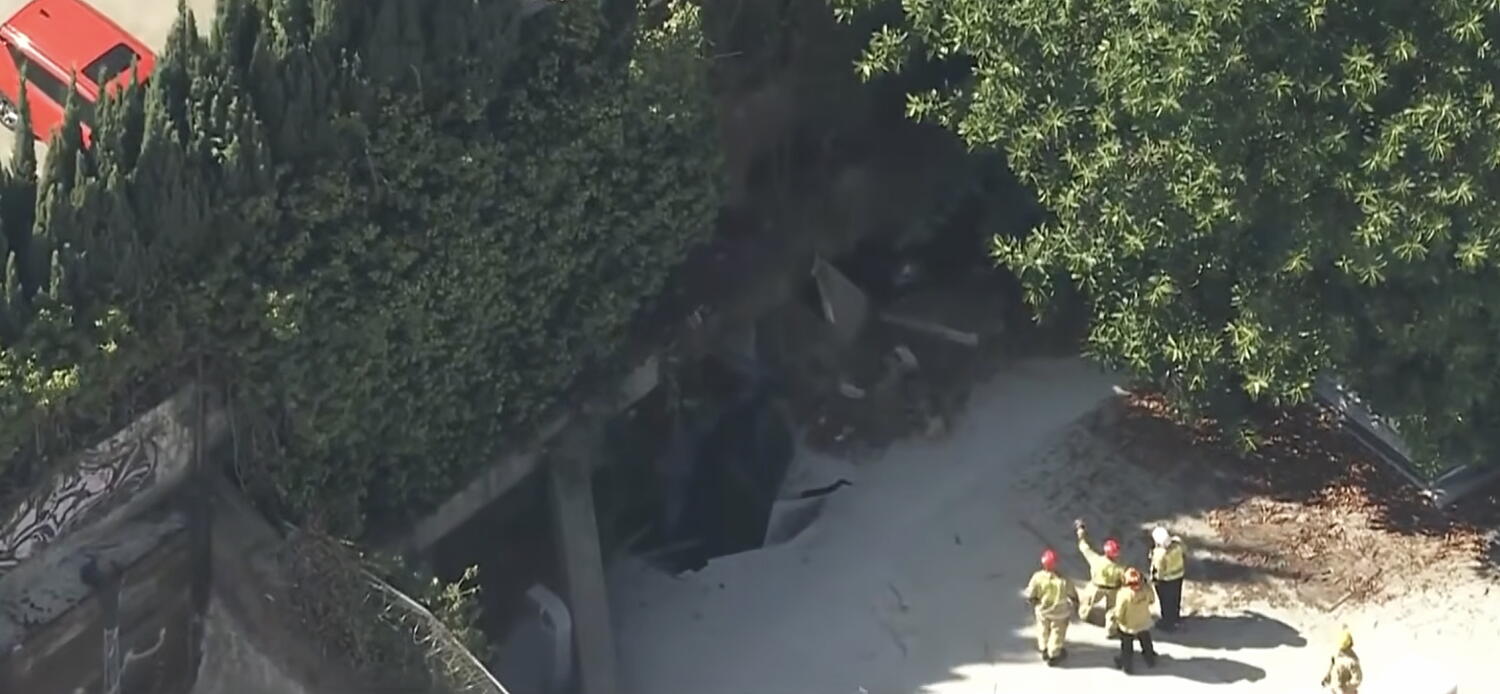
The legal complaint filed by the district attorney against the Lake Hughes animal rescuer reads like a catalogue of bureaucratic nightmares. It details unsanitary conditions, lack of proper veterinary oversight, and the accumulation of animals far beyond what any single property—or single human spirit—could reasonably manage.
The facts, stripped of emotion, are stark. When rescue efforts outpace infrastructure, the thin line separating sanctuary from suffering begins to blur. Animals that were pulled from the jaws of euthanasia find themselves trading one form of distress for another: chronic confinement, sensory overload, and the silent, grinding stress of a crowded ecosystem.
Yet, locking the gates and slapping criminal charges on a rescuer does not solve the underlying crisis. It merely relocates the tragedy.
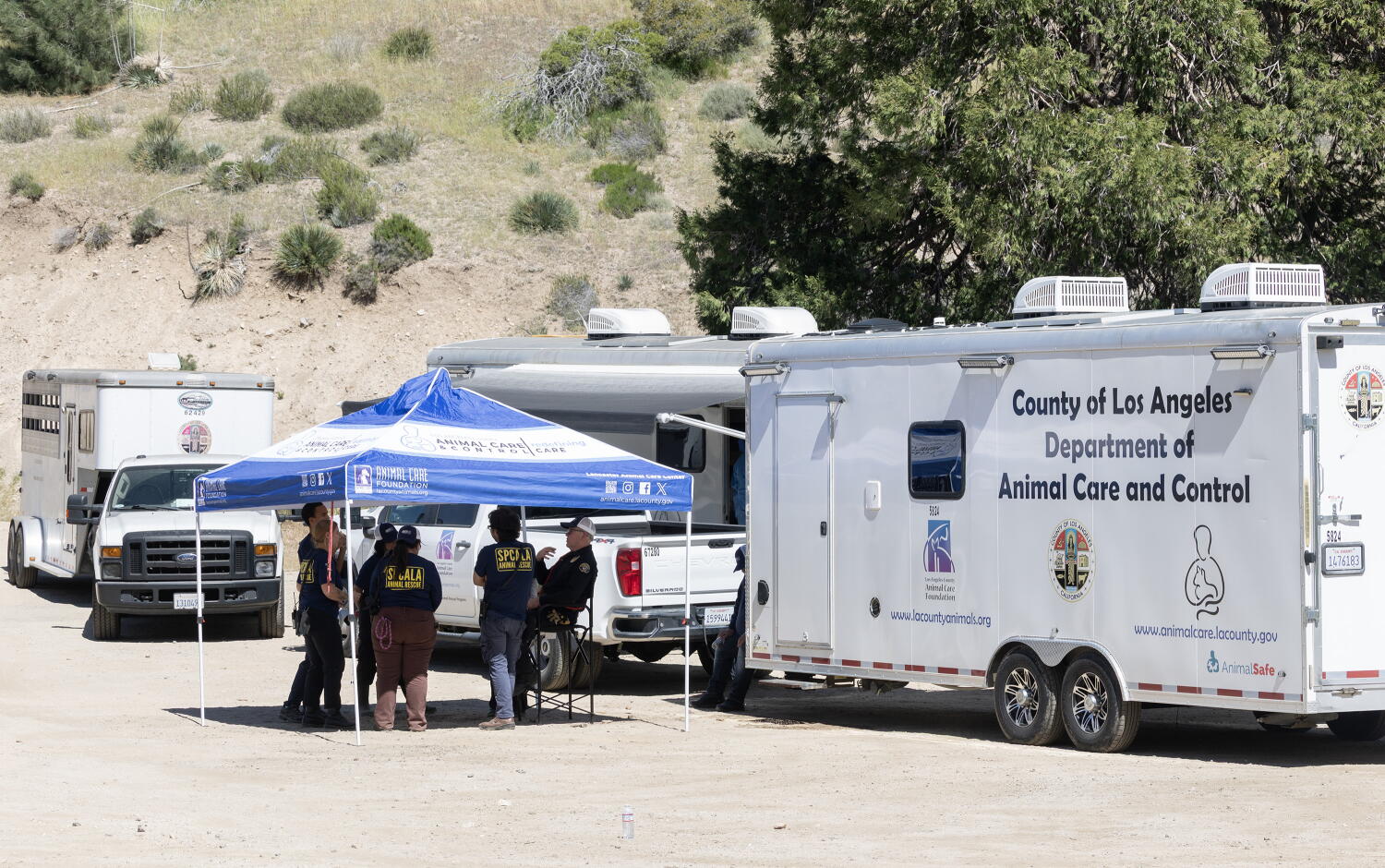
When a facility like this implodes under the weight of the law, the immediate question is always logistical: Where do we put the animals? County shelters, already straining at their seams, brace for the influx. Euthanasia lists, temporarily pushed aside by community optimism, rear their heads again. The system absorbs the fallout, muttering about responsibility and oversight, while the root cause of the rot remains entirely untouched.
We live in a culture that loves the romantic mythology of the lone hero. We cheer for the rebel who bends the rules to rescue the helpless. Movies are built on these tropes. We consume viral videos of dramatic animal saves with eager, tearful satisfaction, hitting share, feeling briefly redeemed by our proxy compassion.
But we refuse to look at the math that follows the applause.
Who pays for the food when the donations dry up? Who cleans the cages when the volunteer pool evaporates out of sheer exhaustion? Who regulates the emotional burnout of people who spend every waking hour staring into the face of systemic human cruelty toward animals?
The Lake Hughes case is not an isolated aberration. It is a symptom of a fractured cultural relationship with pet overpopulation and systemic abandonment. For every backyard rescuer who crosses the line from helper to hoarding defendant, there are a dozen others walking a razor-thin tightrope right now, praying the next inspection doesn't fall on a week when half their volunteers came down with the flu.
Compassion fatigue is real. It is a clinical, measurable erosion of empathy caused by prolonged exposure to suffering. It makes people blind to their own limitations. It convinces a well-meaning soul that they can bend the laws of physics, finance, and municipal zoning through sheer force of will.
And when that will finally snaps, the community acts shocked. We act as though the monster arrived out of nowhere, rather than being slowly forged in the quiet desperation of a dusty backyard where one person tried to carry the weight of a broken world alone.
As the legal proceedings grind forward, the animals have been scattered. Some to foster networks. Some to larger, better-funded shelters. Some, inevitably, to that final, quiet room where the hard decisions are made.
The rescuer faces a courtroom, looking back across a chasm of incomprehension. To the legal system, she is a defendant. To herself, she is a survivor who tried to keep the lights on in a room full of shadows.
The sun still beats down hard on the dry hills of Lake Hughes. The dust devils still spin across the empty pens, kicking up old hay and forgotten memories.
The silence left behind is heavier than the noise ever was. And somewhere out there on a dark highway, a car slows down, a door opens, and a frightened animal hits the dirt, waiting for someone to care.