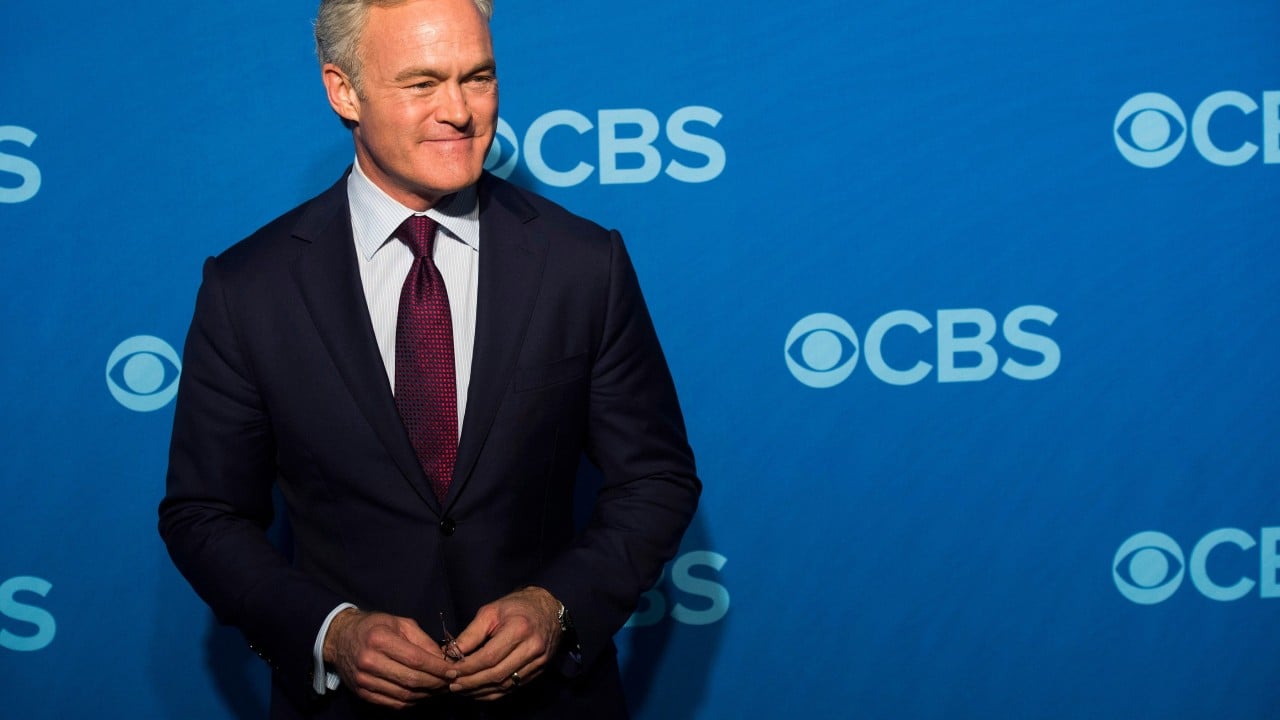
When Scott Pelley got pushed out of CBS News after decades of reporting, it wasn't just another standard boardroom bloodbath. He didn't just pack up his office quietly. He publicly accused his new bosses of trying to force falsehoods into politically sensitive stories. This isn't just an American television drama. If you look closely from Hong Kong, the cracks spreading through corporate media in New York look deeply, uncomfortably familiar.
The immediate trigger for Pelley's exit was a massive clash over editorial control. Following a corporate takeover, the new leadership started axing seasoned producers and reporters, attempting to reshape the narrative on highly sensitive political events. Pelley refused to play along, spoke up, and lost his job.
This mirrors a pattern people in Hong Kong have watched play out in their own backyard for years. The methods might differ, but the endgame is exactly the same. When the money changes hands or the political pressure turns up, independent journalism is always the first thing on the chopping block.
The Illusion of Editorial Independence under Corporate and Political Masters
The shakeup at CBS accelerated wildly after David Ellison took over the network. The subsequent installation of highly partisan editorial figures led to an immediate shift. Hard-hitting investigative segments were delayed, diluted, or outright killed to protect specific political agendas.
This corporate restructuring masquerading as editorial refinement happens everywhere. In Hong Kong, the pressure often comes through boardroom shifts, changing ownership structures, or the looming presence of national security directives. The results look identical.
- Editors who ask too many tough questions get replaced by compliant managers.
- Controversial investigations are quietly shelved under the guise of "market restructuring" or "broadening appeal."
- Journalists are forced to choose between keeping their jobs and preserving their integrity.
It's easy to look at the US and think it's a completely different world. It isn't. Whether the censorship comes from a billionaire's partisan appointee in New York or a pro-Beijing media mogul in Hong Kong, the mechanism relies on compliance.
Why the Fight for Public Trust is a Losing Battle Everywhere
Pelley noted in his parting statement that audiences watch long-standing news programs because they find integrity and humanity in the stories. But that trust is incredibly fragile. Once the public realizes the editorial scales are being tipped behind the scenes, you can't just buy that credibility back.
We're seeing a parallel decline in media trust across both hemispheres. When the South China Morning Post or local Hong Kong outlets shift their tone to navigate changing political realities, readers notice. They don't just consume the modified news; they walk away entirely. The same thing happens when American networks turn news divisions into ideological echo chambers.
The lesson for Hong Kong is stark. You can't compromise on truth "just a little bit" to survive. Once a news organization begins altering facts to please the people in power, it stops being a news organization. It becomes a public relations firm.
Navigating the New Media Landscape as a Consumer
If you're trying to figure out what's actually happening in the world today, relying on a single legacy news source won't cut it anymore. The Scott Pelley situation proves that even the most institutional, decorated brands can be corrupted from the top down in a matter of months. You have to change how you consume information.
First, stop looking for a single definitive source. Diversify your media diet by intentionally reading outlets with completely different funding models and geographical bases. If you want to understand an event in Hong Kong, cross-reference local independent platforms, regional Asian business press, and international outlets. Look for the gaps in what they aren't saying.
Second, pay attention to the bypass channels. Substack, independent podcasts, and decentralized journalist networks are growing because people are fleeing corporate censorship. Veteran reporters who refuse to compromise are setting up their own shops. Follow individual journalists whose track records you trust, rather than just the historic logos on the building.
The media environment isn't going to get softer or more transparent. The pressure on truth-tellers is only going to intensify. The real food for thought here is that defending a free press isn't just the reporter's job. It requires audiences to actively seek out, support, and pay for the truth before it gets managed out of existence.