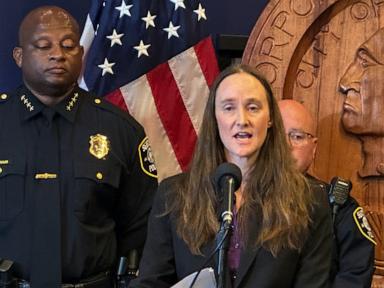
When three people died in a hail of gang-related gunfire at the tail end of the Bite of Seattle food festival, the city didn't just face a horrific tragedy near the Space Needle. It faced an immediate communication blackout that left thousands of residents completely in the dark. Nearly five hours passed before police updated the public on whether active shooters remained on the loose. That delay was inexcusable, and it cost Police Chief Shon Barnes his job.
Mayor Katie Wilson defended her decision to oust Barnes as the right move at the right time, pointing out that she had a clearer window into departmental operations than her loudest critics. While community groups and a few city council members rushed to defend Barnes—pointing to his genuine efforts to boost officer recruitment and lower downtown crime rates—the fallout from a mass shooting demands absolute transparency. When public safety information trickles out too slowly during an active crisis, leadership must change.
The Anatomy of a Communication Breakdown
The chaos began during the waning hours of a massive three-day summer festival that draws huge crowds of vendors and performers. A 15-year-old suspect was quickly disarmed and arrested at the scene by officers, but the panic didn't stop there. Three people died, including a suspect, and four others were wounded, including a two-year-old toddler.
Chief Barnes wasn't even in the city when the shooting happened. He was attending a law enforcement conference out of town, a detail that immediately drew heavy scrutiny from local media and frustrated residents. When top leadership is absent during a critical incident, the department relies entirely on its public information protocols to keep citizens safe. Instead of quick updates, the public got silence. Social media posts went up, and then nothing of substance for nearly five hours.
Mayor Wilson admitted later that she didn't realize how little information had reached reporters or the public until long after the shooting started. If she had known, she said she would have demanded an immediate briefing. That admission highlights a massive disconnect between city hall and the police department's command staff.
Weighing Progress Against Accountability
Supporters of Barnes argue he was being made a scapegoat for deep-seated systemic issues. They point to his work on community policing initiatives, neighborhood resource programs, and his efforts to tackle youth gun violence. Several Black community organizations and local business groups argued that ousting him after he brought a measure of stability to the department was a step backward.
They aren't entirely wrong. Police leadership turnover in Seattle has been notoriously unstable, with multiple chiefs cycling through the office in just a few years. Constant upheaval hurts morale and disrupts long-term crime reduction strategies.
Yet, public trust hinges entirely on communication during life-or-death emergencies. When a mass shooting strikes a crowded public park, parents need to know immediately if they should pick up their kids or shelter in place. Waiting five hours to confirm details about an active threat creates a vacuum filled by panic and dangerous rumors.
What Comes Next for Seattle Law Enforcement
Mayor Wilson has appointed Deputy Chief Andre Sayles as the interim police chief. Sayles brings over twenty years of law enforcement experience to the table and immediately promised to boost police staffing at public festivals for the rest of the summer. Investigators also believe they are closing in on additional suspects linked to the festival shootout.
The pressure is now squarely on Sayles to restore public confidence while navigating the city's complex political landscape. Public safety isn't just about making arrests after the fact; it's about keeping communities informed the moment disaster strikes. If Seattle wants to prevent future tragedies, transparency must become the department's absolute highest priority.