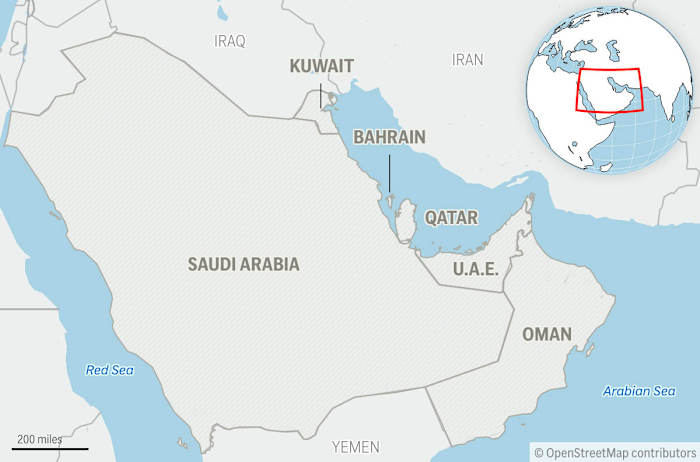
The headlines are screaming about "secret strikes" and "grim threats" as if we’ve stumbled into a Tom Clancy novel. They want you to believe the world is teetering on the edge of a localized apocalypse because the UAE supposedly hit targets in Iran, or because Tehran is waving its uranium centrifuge manual around again.
They are wrong. They are missing the point so spectacularly it feels intentional.
The consensus view—the lazy view—is that these escalations are a sign of failure. The media paints a picture of a "fragile ceasefire" on life support, implying that if the shooting starts in earnest, the global order dissolves. I’ve sat in rooms with energy traders and policy analysts who have watched this dance for thirty years. They know the truth that the evening news won't tell you: Violent friction is the cooling mechanism of the modern geopolitical machine.
Without these "secret" strikes and the performative theater of nuclear threats, we would be in a much darker place. Stability is a myth sold to voters; managed instability is the reality that keeps the oil flowing and the dollar dominant.
The UAE Strategy Is Not Aggression It Is Insurance
Most analysts treat the UAE as a junior partner or a nervous bystander. That is a fundamental misreading of the power dynamics in the Gulf. Abu Dhabi isn't striking Iran because they want a war; they are striking because they want to define the terms of the peace.
The competitor narrative suggests these strikes are "emerging" as a shock. If you’re shocked, you haven’t been paying attention to the procurement cycles of the last decade. The UAE has spent billions transforming itself into a "Little Sparta," not to sit behind a desk, but to ensure that if the U.S. pivots toward isolationism—as the Trump administration’s rhetoric suggests—they aren't left holding an empty bag.
Striking Iranian proxies or Iranian interests isn't a "threat" to a ceasefire. It is a recalibration. In the Middle East, a ceasefire is just a period where you reload and verify your targets. By hitting back now, the UAE is actually preventing a larger conflict. They are establishing a red line that the UN is too toothless to draw.
Uranium Threats Are The Most Profitable Bluff In History
Tehran’s "grim threat" regarding uranium enrichment is the oldest play in the book. It’s the geopolitical equivalent of a protection racket. "Nice global economy you have there; shame if something happened to it."
Let’s look at the physics and the finance, not the fear-mongering. Enrichment to 60% or even 90% is a technical milestone, yes. But a warhead requires miniaturization, a delivery vehicle, and a heat shield that doesn't melt upon re-entry. Iran knows this. The West knows this.
The threat isn't about the bomb. It’s about the leverage.
Iran uses the nuclear specter to maintain its internal grip on power and to force the West into a permanent state of negotiation. If they actually built and tested a weapon, the leverage evaporates. They become North Korea—isolated, broke, and irrelevant beyond their immediate border. By staying in the "breakout" phase, they remain a Tier 1 global priority. They aren't trying to blow up the world; they are trying to keep their seat at the table.
Trump and the Life Support Fallacy
The idea that a ceasefire is on "life support" because of a change in U.S. rhetoric is laughable. Trump’s "warnings" are often interpreted as a precursor to chaos. In reality, this volatility creates a "risk premium" that certain sectors of the economy absolutely adore.
When the U.S. signals it might walk away or let its allies "settle things themselves," it forces a brutal honesty into the market. We saw this during the first Trump term: the Abraham Accords didn't happen because of diplomatic "fostering" or "synergy." They happened because the Gulf states realized the American umbrella was folding, and they had to make a deal with the only other regional power that hated Iran as much as they did: Israel.
Conflict doesn't destroy deals; it mandates them.
The Zero-Sum Logic of Energy Markets
If you want to understand why these strikes remain "secret" and why the threats remain "grim" but unfulfilled, follow the tankers.
The Strait of Hormuz handles roughly 20% of the world’s petroleum liquids. If Iran actually followed through on its threats, or if the UAE launched a full-scale kinetic campaign, the price of Brent crude wouldn't just spike—it would break the global logistics chain.
Nobody wants that. Not Tehran, not Abu Dhabi, and certainly not Washington.
These "secret strikes" are surgical for a reason. They are meant to degrade specific capabilities without triggering the "insurance clause" of a total war. It’s a high-stakes game of operation where you try to remove the tumor without waking the patient. The "grim threats" are the noise the patient makes in their sleep.
Why You Are Asking The Wrong Questions
The public is busy asking: "Will there be a war?" and "Is the ceasefire over?"
The real questions you should be asking are:
- Who profits from the surge in defense spending triggered by these 'secret' escalations?
- How does the threat of Iranian uranium enrichment affect the long-term viability of the petrodollar?
- What happens to regional trade if the UAE proves it can act independently of Western oversight?
The status quo is not a state of rest. It is a state of constant, controlled violence. The "peace" we’ve enjoyed for the last few years wasn't the result of good intentions; it was the result of everyone being too well-armed to move first.
The Brutal Reality of Middle Eastern "Stability"
I have watched billions of dollars flow into "stability initiatives" that do nothing but fund the next generation of drones. The reality is that the Middle East is moving toward a post-American reality. In this new world, "secret strikes" are not anomalies. They are the primary tool of diplomacy.
If you are waiting for a signed treaty that brings "holistic" peace to the region, you are a dreamer. The future is a series of shadow wars, deniable bombings, and nuclear chicken. It’s messy, it’s violent, and it’s remarkably effective at preventing a Third World War.
The competitor article wants you to feel fear. I’m telling you to feel cynical. Fear makes you reactive; cynicism makes you prepared.
The UAE isn't "breaking" the ceasefire. They are updating the software. Iran isn't "threatening" the world; they are renewing their subscription to the global news cycle.
Stop looking for a "game-changer." This is the game. It has always been the game. The only thing that has changed is that the players are finally stopping the pretense of asking for permission from the West.
The ceasefire isn't on life support. It was never alive to begin with. It’s a ghost we conjure to help us sleep at night while the real work of regional dominance happens under the cover of "secret" operations.
Accept the volatility. Trade the volatility. Just don’t believe for a second that it’s an accident.
In a world of paper threats and digital shadows, the only thing that remains real is the kinetic impact of a missile hitting a target that "doesn't exist" in a report that "won't be published." Everything else is just marketing.
The next time you see a headline about "grim threats," check the price of oil, check the stock of defense contractors, and then go back to your day. The system is working exactly as intended.