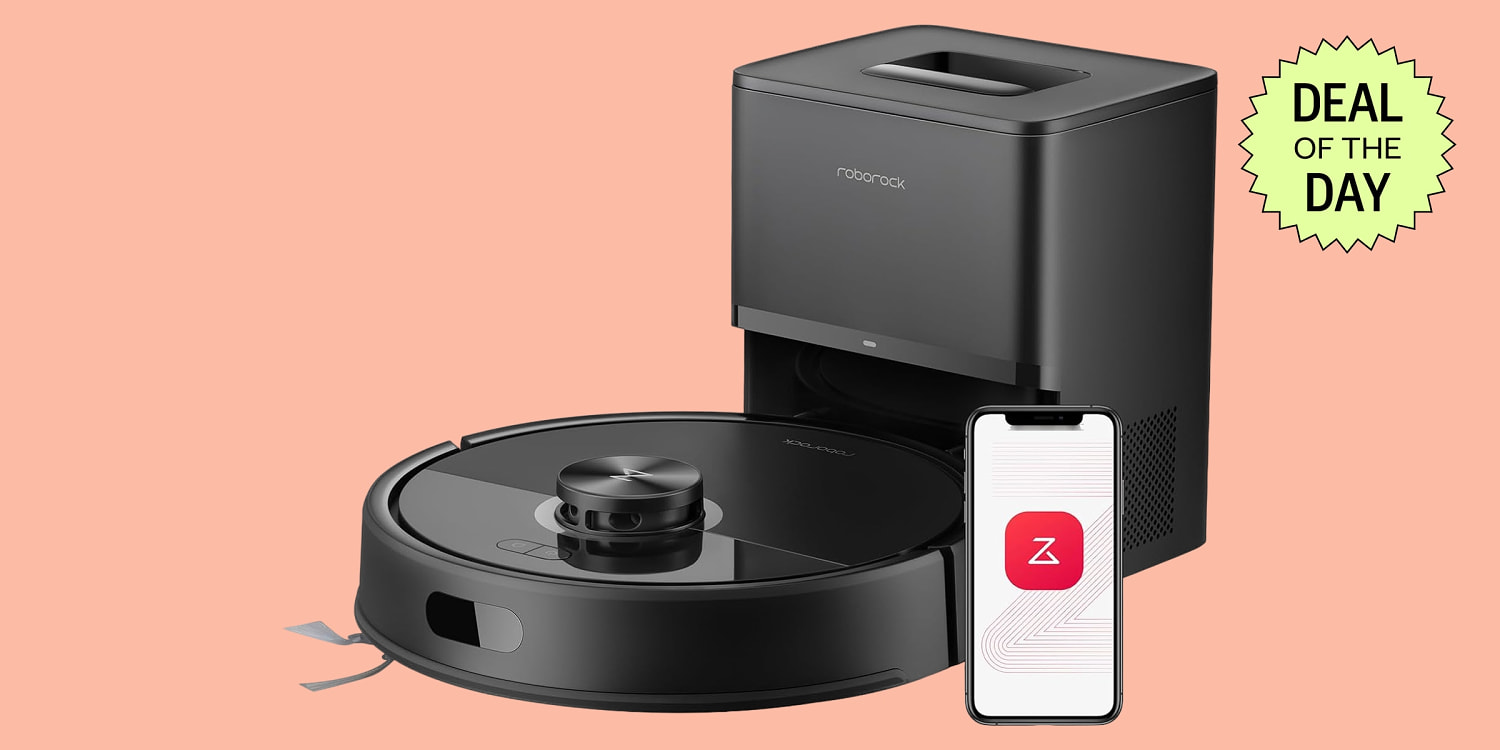
A $100 discount on a self-emptying robot vacuum rarely represents a $100 reduction in true ownership cost. Standard retail deal coverage treats a promotional markdown as an isolated windfall, ignoring recurring consumable expenses, mechanical wear rates, and baseline pricing distortion. A rigorous evaluation requires separating upfront acquisition price from total cost of ownership, mapping the operational trade-offs of automated dustbin evacuation, and applying a decision framework that distinguishes genuine value from seasonal price anchoring.
Deconstructing Promotional Retail Logic
Typical deal reporting operates on a simple premise: subtract the sale price from a reference price, then treat the difference as pure consumer surplus. In consumer robotics, that arithmetic fails on three fronts. Discover more on a similar topic: this related article.
First, reference prices are frequently inflated or anchored to launch MSRPs that have already eroded through routine street pricing. A unit that regularly sells $60 below its original list price and drops another $40 during a promotion produces a $100 gap against the initial tag, yet only a $40 savings relative to recent market clearing prices.
Second, promotional coverage treats autonomous floor care as a single-transaction purchase rather than an ongoing maintenance system. A robot vacuum with an auto-empty dock shifts labor from manual bin dumping to periodic bag replacement, filter swaps, roller brush changes, and dock maintenance. An upfront discount that comes paired with proprietary consumables or high replacement part prices can be wiped out within twelve to eighteen months. Further analysis by Ars Technica explores similar views on the subject.
Third, deal articles rarely examine why a discount appears at a specific moment. Price drops often coincide with inventory clearance ahead of a revised model, aggressive customer-acquisition pushes around major shopping events, or margin reallocation across a tiered lineup. Without identifying the commercial trigger behind the markdown, a buyer cannot tell whether they are capturing a temporary price anomaly or simply paying a fair price for aging hardware.
The Total Cost Function of Automated Floor Care
To evaluate any self-emptying robot vacuum deal objectively, treat the system as a multi-year cost function rather than a one-time bill. Every variable in that function interacts with home layout, floor surface mix, and household debris load.
Core Cost Variables
- Upfront hardware price: The net purchase price paid at checkout, including any bundle discounts or trade-in credits.
- Disposable dust bags: Sealed paper or synthetic bags inside the base station that trap collected debris, typically replaced every 30 to 90 days depending on debris volume, pet hair, and bag capacity.
- Filtration components: Intake and exhaust filters (often HEPA-grade or fine particulate media) that degrade as fine dust embeds in the pleat structure, restricting airflow and straining the vacuum motor.
- Agitation and sweeping assemblies: Main roller brushes, side brushes, and wheel modules exposed to hair tangles, abrasive grit, and continuous torque loads.
- Base station wear parts: Dock suction channels, rubber seals, and internal filters that accumulate fine dust or moisture over time.
- Electricity consumption: Standby draw at the charging dock plus active vacuuming and high-wattage auto-empty suction cycles.
How Operating Costs Accumulate
Consumable costs do not scale linearly with floor area alone; they scale with debris mass and abrasive load. A 1,200-square-foot home with two shedding dogs and dense carpets generates vastly more particulate and hair than a 2,000-square-foot apartment with smooth tile and no pets. High debris throughput fills auto-empty bags faster, clogs fine filters sooner, and accelerates wear on brush bearings and end caps.
Proprietary design creates a lock-in penalty. When a manufacturer uses custom-shaped dust bags, non-standard filters, or proprietary side brushes with no third-party equivalents, the brand holds pricing power long after the initial sale ends. A buyer who saves $110 on the hardware but spends $45 per year more on proprietary consumables than an open-compatible alternative turns a short-term discount into a net loss by year three.
Electricity draw is usually the smallest component of the cost function, though auto-empty bases pull high wattage during brief evacuation bursts. The larger operational cost of a malfunctioning or clogged dock is lost labor time: if fine dust bypasses a worn seal or packs a narrow chute, manual disassembly and cleaning return to the schedule.
The Mechanics of Self-Emptying Docks
A self-emptying base station solves a specific friction point—frequent manual emptying of a small onboard dustbin—by introducing a secondary mechanical system. Understanding the mechanism clarifies where reliability gains occur and where new failure modes emerge.
The Evacuation Cycle
When the robot returns to the dock, it aligns charging contacts and dock suction ports. A high-output motor in the base pulls air through the robot's dustbin and channels debris into a larger bag or cyclonic chamber inside the station. Once the cycle finishes, the robot tops off its battery charge and waits for the next scheduled run.
The primary operational benefit is batching maintenance. Instead of emptying a 250-milliliter to 450-milliliter onboard bin after every one or two cleaning runs, a household can accumulate weeks of dust and hair in a multi-liter dock reservoir. For homes with heavy shedding, allergies, or multi-room schedules, this reduces direct contact with fine dust during routine operation.
Mechanical Trade-Offs and Failure Points
Adding an auto-empty dock introduces complexity that a standalone charging cradle avoids:
- Airflow bottlenecks: Long hair, string, damp debris, or rigid objects can bridge across dustbin openings or dock intake ducts, starving airflow and leaving debris behind in the robot bin.
- Acoustic spikes: Auto-empty motors typically run loud, high-power suction bursts for 10 to 30 seconds. While brief, that noise spike matters in open floor plans, home offices, or households with noise-sensitive pets or sleeping infants.
- Seal and latch degradation: Repeated docking cycles and debris abrasion wear down rubber gaskets and bin doors. Air leaks reduce suction transfer efficiency at the dock interface.
- Clogged filtration: Fine dust that passes through primary traps can coat internal dock components, reducing suction power over time if the dock lacks accessible filters or cleanable pathways.
Self-emptying does not eliminate manual intervention. Hair still wraps around roller brush ends and axles, sensors still accumulate dust film, water tanks and mopping pads (on hybrid units) still require rinsing and drying, and full bags still require removal. Automation shifts the cadence and type of upkeep; it does not make floor care zero-touch.
Cause-and-Effect Chain Analysis
Deal coverage often treats features and discounts as isolated bullet points. Mapping cause and effect exposes how seemingly minor design choices ripple through daily performance.
Deep Carpet vs. Hard Flooring
Dense carpet fibers trap embedded grit and pet hair, requiring stronger downward brush pressure and higher suction to lift debris to the surface. Higher suction increases battery draw per square meter, which can shorten runtime on larger floor plans and trigger mid-job recharges. When the robot docks to recharge, many systems also run an auto-empty cycle, increasing total daily noise and bag fill rate. On hard floors, debris sits exposed on the surface, allowing faster sweep speeds and lower suction settings, which extends battery endurance and slows consumable wear.
Navigation Precision vs. Coverage Efficiency
Navigation architecture governs how thoroughly and predictably a robot covers a room. Systems relying on random bump-and-turn movement leave missed patches, repeat areas unnecessarily, and waste battery energy on inefficient paths. Structured mapping—such as LiDAR or structured-light visual navigation—enables systematic lane patterns, room-specific scheduling, and virtual no-go zones. Better path efficiency reduces total runtime for the same square footage, which lowers mechanical wear per cleaning cycle and reduces the odds of getting stuck on cables, rug fringes, or low-clearance furniture.
Debris Type vs. Maintenance Cadence
Fine household dust behaves differently from long pet or human hair. Fine dust penetrates filters and coats optical sensors, degrading navigation accuracy and suction airflow if left unchecked. Long hair wraps tightly around spinning rollers and axle bearings, creating rotational drag that heats motors and wears brush end caps. A household with both fine dust and long hair faces a compound maintenance burden: filters need regular replacement or cleaning while rollers need frequent detangling regardless of how large the auto-empty bag is.
Discount Depth vs. Product Lifecycle Stage
Deep markdowns—such as $100 or more off a mainstream model—frequently occur when a product has been on the market long enough for early-adopter pricing to normalize, when a successor model is approaching or recently launched, or during high-volume retail promotions. A steep discount on a proven, mature model can offer strong value if parts and consumables remain readily available. A steep discount on an older model with dwindling replacement part support carries hidden obsolescence risk once wear components become scarce or overpriced.
A Practical Evaluation Framework for Buyers
Before acting on a steep discount, run the offer through a four-step evaluation sequence to verify whether the deal holds up under real-world operating conditions.
- Establish the true baseline price: Check the price trajectory over recent weeks rather than relying solely on the struck-through list price. Confirm whether the promotional price is genuinely below recent normal selling prices or merely matching a recurring sale tier.
- Audit recurring consumable pricing: Look up the cost and availability of replacement dust bags, filters, main brushes, and side brushes before buying. Estimate annual replacement volume based on your home's floor type, pet count, and shedding level, then project a three-year consumable total.
- Match hardware capabilities to home constraints: Verify clearance height under low furniture, threshold climbing limits, map/no-go zone controls, and noise tolerance for auto-empty cycles. A steep discount on a unit that cannot clear your couch base or gets trapped by rug edges is a poor allocation of capital regardless of price.
- Check lifecycle and support continuity: Confirm that replacement parts are widely stocked and that the app/ecosystem remains actively supported. Avoid locking into an orphan platform just to capture a one-time markdown.
Common Buyer Traps to Avoid
- Chasing dollar savings without percentage or baseline context: One hundred dollars off a $900 machine is a very different value proposition from $100 off a $350 machine, especially if the higher-priced baseline was already inflated.
- Ignoring consumable lock-in: Treating cheap upfront hardware as a bargain when replacement bags and filters carry steep ongoing markups.
- Assuming auto-empty equals hands-off: Buying an auto-empty dock expecting zero brush cleaning, zero sensor wiping, or zero clutter management.
- Over-indexing on secondary features: Paying extra—even on sale—for complex attachments or modes that do not match actual floor surfaces or daily routines.
Boundary Conditions and Limitations
No analytical framework or hardware configuration eliminates trade-offs across every home environment. Autonomous floor vacuums operate within physical constraints that software and auto-empty docks cannot fully overcome.
Heavy clutter, loose charging cords, shoelaces, and small toys remain major operational hazards; even smart obstacle avoidance struggles with thin wires or low-contrast items in dim lighting. High-pile rugs, tasseled carpets, and tall door thresholds can stall drive wheels or tangle brushes. Furthermore, robot vacuums handle surface dust, crumbs, and pet hair well, but they do not replace deep carpet extraction, stair cleaning, or thorough scrubbing of stubborn spills.
Finally, exact financial projections depend on variables that vary widely by household—actual replacement intervals, third-party part availability, and how long a unit functions reliably before battery degradation or motor wear requires service. Treating any cost estimate as an exact guarantee rather than a structured range invites overconfidence.
Strategic Action Before You Buy
Treat a $100-plus markdown on a self-emptying robot vacuum as a screening trigger, not a buying signal. First verify the true recent market price and calculate three-year consumable costs for your specific floor and pet profile; proceed with the purchase only if the discounted hardware price plus projected consumables beats competing options on total value and fits your home's physical layout without requiring constant rescue runs.