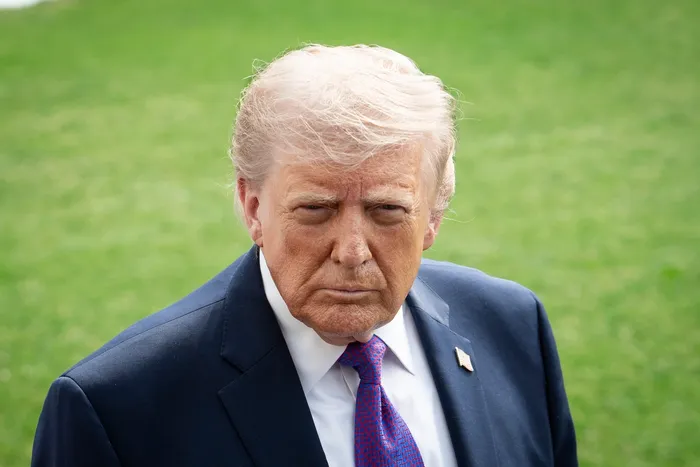
The U.S. Senate just handed another victory to the White House, and if you're looking for a clear limit on executive war powers, you won't find it here. For the fourth time this year, Senate Republicans have shot down a bid to rein in President Donald Trump’s military campaign against Iran. The vote fell 47-52, largely along party lines, effectively telling the administration that it can keep the engines running without a formal green light from Congress.
This isn't just about a single vote. It’s a fundamental breakdown of how the U.S. government is supposed to decide when to go to war. Democrats are sounding the alarm that the conflict is illegal and lacks a clear exit strategy, while Republicans are essentially saying they trust the President’s judgment more than a legislative committee.
The 60 day clock is ticking toward a crisis
We’re at a weird moment in American history. Usually, the War Powers Act of 1973 is the rulebook. It says the President can’t keep troops in a fight for more than 60 days without Congressional approval. That deadline is coming up fast. The current campaign kicked off on February 28, 2026, and we're officially in the danger zone where the legal gray area starts to look like a black hole.
The resolution, led by Senator Cory Booker, was simple on paper. It directed the President to pull U.S. forces out of hostilities against Iran unless Congress specifically authorized a declaration of war or a new Authorization for Use of Military Force (AUMF). But in the Senate, "simple" usually dies a slow death.
- The Vote Breakdown: Almost every Republican voted to block the resolution.
- The Lone GOP Defector: Rand Paul of Kentucky was the only Republican to join the Democrats.
- The Democratic Holdout: John Fetterman of Pennsylvania broke ranks with his party to vote with the Republicans.
- The Missing Man: Jim Justice of West Virginia didn't show up to vote.
If you’re keeping score, that 47-52 tally is almost identical to the previous attempt back in March. It shows that despite all the talk of "growing concerns" in the hallways of the Capitol, nobody’s actually changing their mind.
Why Republicans are digging in their heels
You’d think a war without a clear end date would make everyone nervous. But the GOP's logic is pretty straightforward right now. They argue that pulling the plug mid-campaign would signal weakness to Tehran and undercut the President while he’s trying to negotiate.
Senator Josh Hawley and others have argued that the administration is still technically within the 60-day window allowed by the 1973 law. They see the current strikes not as an "unauthorized war," but as a necessary response to "untenable" threats against U.S. interests and allies.
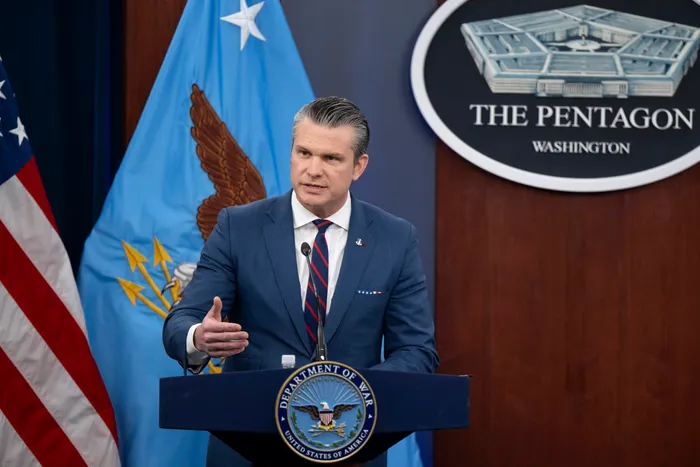
There’s also a massive disconnect between what the public hears and what happens in classified briefings. Secretary of State Marco Rubio and Defense Secretary Pete Hegseth have been telling lawmakers that things might get worse before they get better. Rubio even hinted that the strikes were partially a reaction to Israel’s own plans to hit Iran, suggesting the U.S. is trying to manage a regional explosion that’s already in progress.
The legal loophole nobody wants to close
The real problem is that the War Powers Act is basically a "choose your own adventure" book for presidents. No administration—Democrat or Republican—has ever actually admitted the law is constitutional. They treat it like a suggestion.
When Trump notified Congress about the operations in early March, his language was noticeably different from the "imminent threat" talk used in public. He described the mission as a way to eliminate Iran as a "global threat." That’s a huge, open-ended goal. If the goal is to "eliminate a threat," how do you ever know when you've won?
Democrats like Chuck Schumer are terrified of "mission creep." We’ve seen this movie before in the Middle East. You start with limited strikes to "send a message," and five years later, you're still there wondering what the message was.
What this means for your wallet and the world
If you think this is just a bunch of people in suits arguing in D.C., check the price of gas. One of the main reasons some senators are hesitant to push for a public debate is that they don't want to explain why energy costs are spiking.
A full-blown war with Iran isn't a "surgical strike" affair. It affects global shipping lanes, oil prices, and regional stability. By blocking this resolution, the Senate has basically decided to stay in the passenger seat while the White House drives.
Here is the reality of where we stand:
- The Veto Power: Even if the resolution had passed, Trump would have vetoed it instantly. Congress doesn't have the two-thirds majority needed to override him.
- The House Factor: The House of Representatives, led by Speaker Mike Johnson, is expected to hold its own vote, but Johnson has already called the effort a way of "siding with the enemy."
- The 60-Day Deadline: Watch the calendar. Once we hit late April, the legal justification for the war becomes even more flimsy.
If you want to see where this is going, stop looking at the floor speeches and start looking at the troop movements. The Senate had a chance to force a real debate on whether this war is worth the cost. They passed. Now, the only thing left to do is wait and see if the "soon" the President keeps promising for the end of the war actually happens before the situation spirals out of control.
Keep an eye on the upcoming testimony from Rubio and Hegseth—if they ever actually show up for a public hearing. That’s the only place we’re likely to get a straight answer on what the actual exit strategy looks like. If they keep skipping the public sessions, you can bet the "mission creep" Schumer is worried about is already well underway.