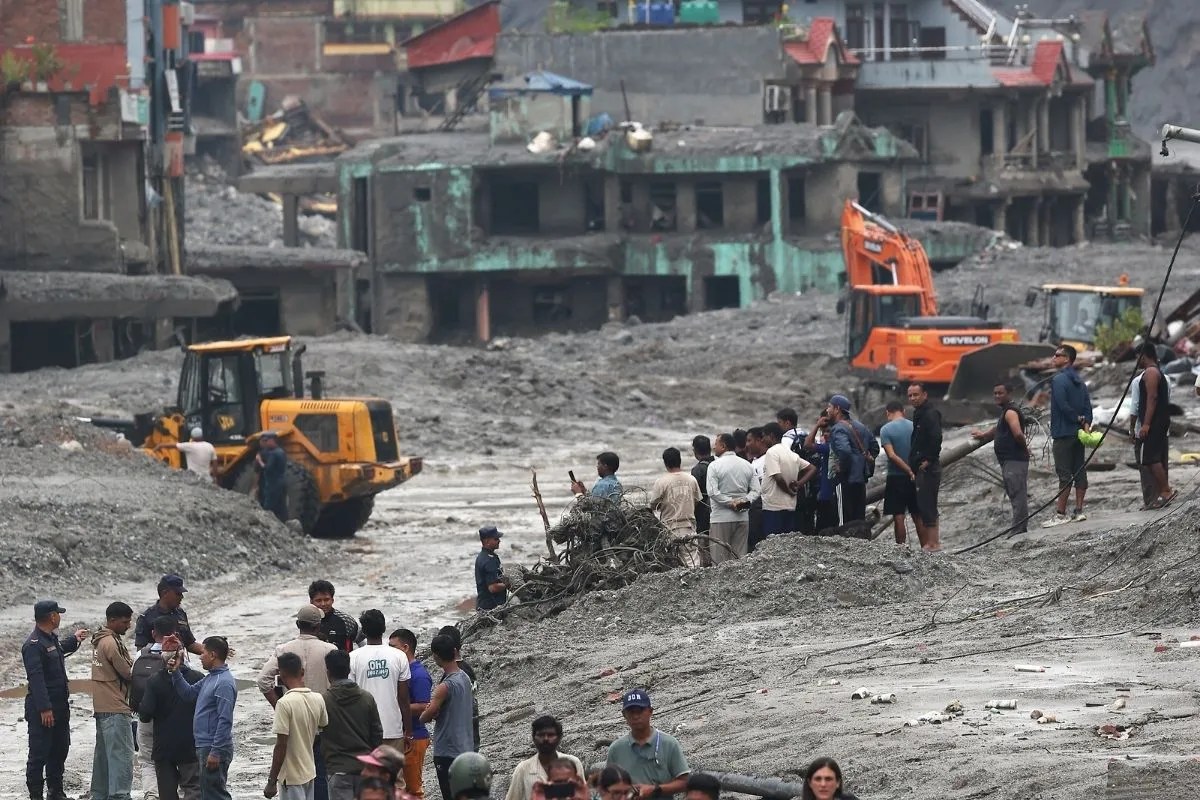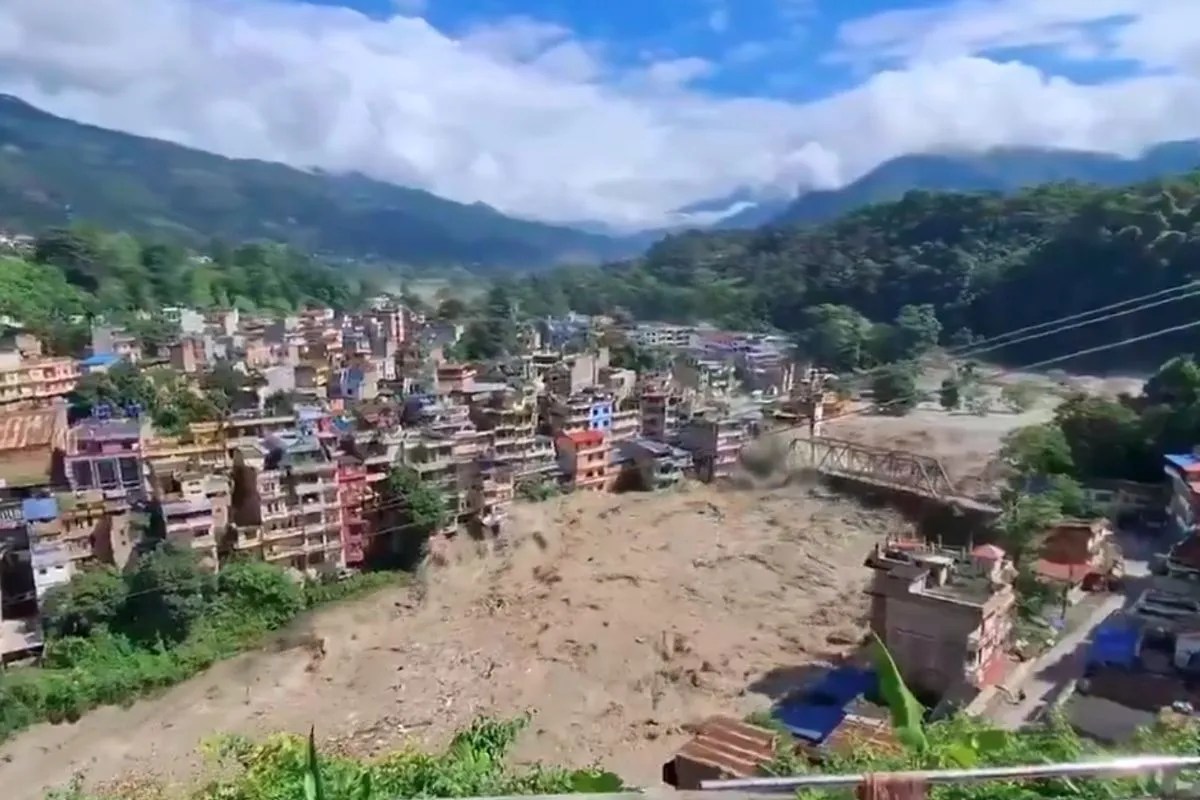
Every single time a flash flood sweeps through the Himalayas or a tunnel collapses in South Asia, the script repeats verbatim. Media outlets praise the rapid deployment of international specialized response units, specialized extraction teams fly in with high-tech gear, and politicians pose for photos against a backdrop of mud and twisted metal. It feels proactive. It looks like humanity at its finest.
It is also an inefficient distraction that costs lives while soothing the consciences of distant bureaucrats. If you enjoyed this article, you should look at: this related article.
I have spent years watching regional disaster response operations burn through capital and logistics while ignoring the fundamental reality of catastrophe management: outside rescue units arriving forty-eight hours late are tourist squads with heavy tools, not lifesavers. When a tunnel in Nepal fills with silt and debris, the specialized team from abroad is not beating the local geography; they are fighting it. They are learning the layout of the project, wrestling with incompatible power grids, and relying entirely on the local workforce they were ostensibly sent to rescue.
Let us dismantle the comforting fairy tale that external elite teams are the primary solution to localized geological violence. For another perspective on this event, refer to the latest update from NPR.
The Local Knowledge Fallacy
The lazy consensus in disaster coverage assumes that technical expertise is universal. Proponents of cross-border deployment argue that specialized subterranean search units possess universal capabilities that translate seamlessly from a collapsed mine in Europe to a flooded hydropower tunnel in the Himalayas.
Physics does not care about your certifications if you do not know the soil composition.
When an Indian specialized extraction team lands in Nepal to assist with tunnel operations, they bring elite credentials, advanced thermal imaging, and heavy pumps. Yet, they lack the one variable that dictates survival during the critical first six hours: micro-topographical intuition. They do not know how the local river system behaves under pressure after an unseasonal cloudburst. They do not know the contractor who cut corners on the drainage architecture of that specific bore.
Local contractors, indigenous laborers, and regional civil defense units are routinely sidelined in the narrative because they lack glossy PR packages and matching uniforms. Yet, those same locals are invariably the ones mapping out safe access points, stabilizing unstable rock faces with rudimentary timbering, and keeping generators running with jerry-rigged fuel lines while foreign experts wait for satellite uplinks.
We romanticize the foreign cavalry because it fits a cinematic hero narrative. We ignore the institutional competence rotting in the backyard.
The Logistics Paradox of Fast Deployment
Imagine a scenario where a multi-ton water containment breach occurs deep inside a remote Himalayan tunnel system. The international playbook kicks in. Gear is manifested. Cargo planes are chartered. Diplomatic clearances are expedited.
By the time the specialized unit clears customs at Kathmandu, unloads their tactical gear, and negotiates mountain transport to the disaster site, seventy-two hours have elapsed. In flash flood and tunnel collapse scenarios, the survival curve drops off a cliff after the first twelve hours.
"Speed is not a function of how fast your cargo plane flies. It is a function of how close your gear is to the point of failure."
External deployment introduces three critical points of friction:
- Incompatible Infrastructure: Specialized extraction gear often requires specific voltage, hydraulic fittings, or fuel grades that do not match local realities.
- Command Confusion: Introducing high-ranking external commanders into an active incident command structure creates a linguistic and procedural bottleneck. Precious minutes are lost translating tactical directives into operational reality.
- The Resource Drain: Local authorities are forced to divert functional transport, fuel, and security personnel away from actual rescue work to host, escort, and feed the incoming delegation of international specialists.
When you factor in the administrative overhead, sending elite external units across borders for sudden natural disasters is often a net-negative trade for local survival rates.
What Actually Works in Mountain Catastrophes
If external tactical intervention is largely performative, what is the alternative? The answer requires abandoning our obsession with reactive heroics and investing in boring, unsexy decentralization.
We need to stop funding airport-ready rescue squads and start funding neighborhood-level cache distribution.
- Pre-Positioned Sub-Kilometer Caches: Place heavy-duty dewatering pumps, pneumatic jacks, and communication beacons directly inside or adjacent to high-risk infrastructure projects, controlled by the workers who use them daily.
- Mandatory Regional Autonomy Training: Train local workforces in urban search and rescue fundamentals as a condition of operating heavy civil projects in high-risk zones, rather than waiting for state or international intervention.
- Decentralized Telemetry: Install autonomous, battery-independent sensor networks that map structural stress and water accumulation in real-time, eliminating the need for expensive post-disaster guesswork.
The next time a mountain pass washes out or a subterranean project floods, look past the headlines celebrating international solidarity. Ask how many local laborers were left out of the rescue loop while the cameras filmed the foreign experts stepping off the ramp.
Stop waiting for the cavalry. They are stuck in traffic.