The desk in Tehran smells faintly of old tea and dust that has settled over decades of institutional defiance. Across that expanse of polished walnut, a proposal lay open—typed out on heavy paper, stamped with the bureaucratic solemnity of a regime that has learned to survive by counting its breaths between sanctions. It was a seven-day peace plan. A fragile, flickering wick offered to a room choked with smoke.
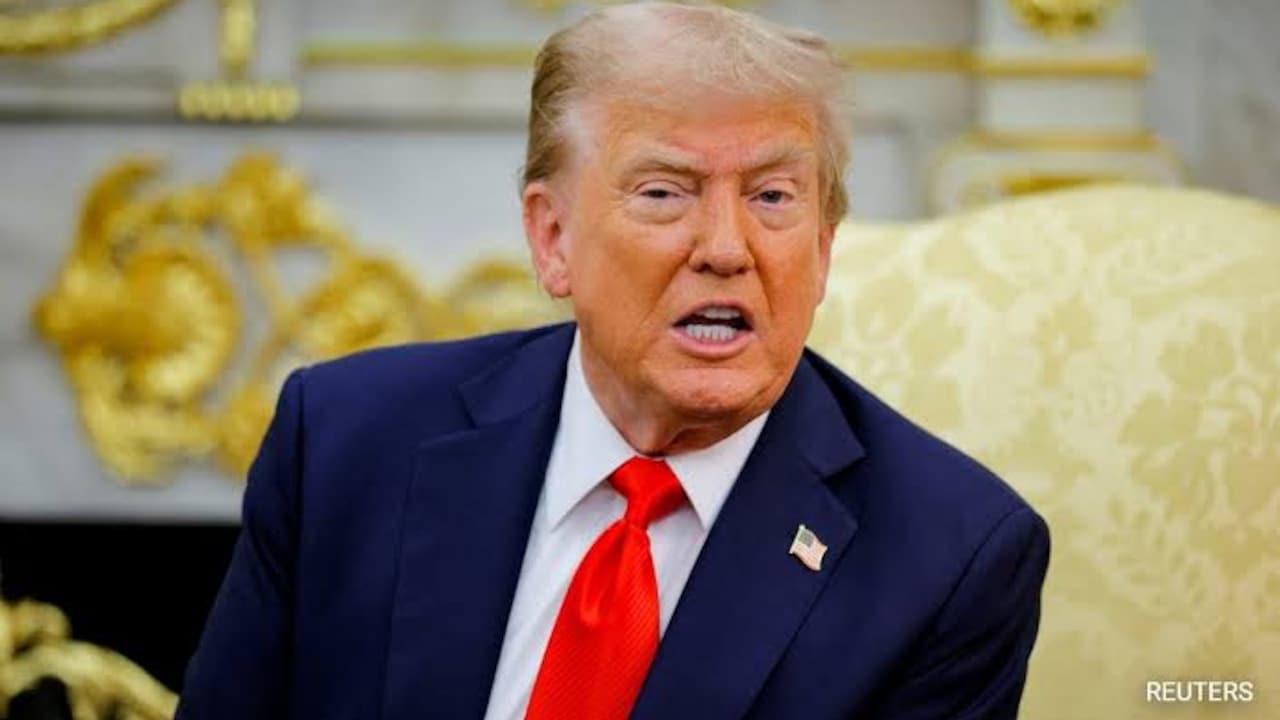
In a suite thousands of miles away, illuminated by the cold blue light of cable news and the hum of an early winter HVAC system, Donald Trump looked at the terms and did what he has always done when presented with a compromise that requires patience. He crumpled the script.
November approaches with a familiar, terrifying gravity.
To understand why a piece of paper bearing a seven-day truce was discarded into the diplomatic wastebasket, you have to step away from the polished mahogany of high-level summits and into the cramped, concrete kitchen of a twenty-two-year-old student in Isfahan, or the tense shift of an American Navy technician on a destroyer rocking silently in the black water of the Persian Gulf. For them, geopolitics is not a column of international relations theory. It is the rhythmic, heavy thrum of anxiety behind the ribs. It is the sudden spike in the price of bread, the quiet dread of an incoming text message, the suffocating realization that the machinery of statecraft is currently being operated by men who view human collateral as an acceptable margin of error.
We have been here before. We are always, it seems, just one stubborn refusal away from the precipice.
Consider what actually happens when a peace plan dies in real-time. It does not expire with a dramatic explosion or a weeping statesman signing a surrender on a battleship deck. It dies in the quiet omissions of morning briefings. It dies when an envoy packs a leather briefcase because the counter-offer was deemed insulting. It dies in the deliberate escalation of rhetoric on social media, where a single, poorly chosen sentence can set thousands of barrels of oil—and millions of human lives—on a collision course.
The Iranian proposal, delivered through intermediaries whose names rarely make the evening news, was built on a simple premise: a week of scaled-down posture, a pause in the subterranean centrifuges, a temporary lowering of the temperature to allow for actual negotiation. To a seasoned diplomat, it was a modest opening bid. To an administration hardened by transactional foreign policy and hemmed in by domestic political pressures, it was viewed as a stall tactic. A trap wrapped in velvet.
Trump’s rejection was swift, absolute, and entirely predictable to anyone who has watched his foreign policy playbook unfold like a high-stakes poker game played with someone else’s chips. In his calculus, concessions are weakness, and pauses are just time for the opponent to reload.
But the math of modern warfare does not care about political branding.
Imagine sitting in a radar station at midnight, staring at a green sweep of light across a dark glass screen. The blip appears. Is it a migratory flock of birds caught in a thermal updraft? Is it a commercial cargo flight drifting off corridor? Or is it a hypersonic payload with a flight time measured in minutes, carrying the unmitigated fury of a government that believes it has nothing left to lose? You have seconds to decide. Your finger hovers over a switch that could incinerate a city you cannot find on a map. That is the true landscape of this conflict. Not the podiums in Washington or the Friday prayers in Tehran. It is the terrifying, sweaty-palmed solitude of the people tasked with managing the brink.
The rejection of the seven-day plan has thrown open a door that many hoped was rusted shut. November looms not as a calendar month, but as a meteorological shift in the global climate. Analysts on cable networks speak of naval deployments and strike groups with the detached enthusiasm of sports commentators breaking down a playoff bracket. They talk about tonnage, missile defense batteries, and strategic choke points like the Strait of Hormuz—a narrow artery of water through which a fifth of the world’s petroleum moves daily.
Let us be entirely honest about what closes that strait. It is not just oil tankers that stop moving. It is the global economy seizing up like an engine starved of oil. It is the cost of fertilizer spiking in Iowa, the price of a container shipping container jumping tenfold in Shanghai, the sudden, sharp contraction of credit in London and New York. When the Middle East bleeds, the world catches a fever.
Yet, behind the hardened stances and the predictable posturing lies a profound human exhaustion.
Talk to shopkeepers in Tehran who watch their savings evaporate into the smoke of inflation, and you will find no appetite for glory. Talk to military families in Norfolk, Virginia, watching deployment orders slip under their front doors like eviction notices, and you will find no romance in the drums of war. The disconnect between the architects of conflict and those who must inhabit its ruins has never been wider.
The rejection of peace is rarely an act of pure malice; more often, it is an act of supreme imagination failure. Both sides are trapped in narratives written decades ago, playing roles assigned to them by history, unable or unwilling to improvise a new ending. Tehran digs deeper into its underground bunkers, convinced that defiance is its only shield against erasure. Washington doubles down on maximum pressure, convinced that force is the only language the regime respects.
And so the clock ticks toward November.
The debris of the rejected peace plan settles into the historical record, joining a long library of missed opportunities and avoidable tragedies. The rhetoric sharpens. The aircraft carriers adjust their headings. The citizens of two nations that have every reason to coexist continue their daily routines, shadowed by a quiet, persistent dread that the decisions made in conference rooms by aging men will soon rearrange the geography of their lives.
History does not always repeat itself with a roar. Sometimes it arrives quietly, wearing a familiar suit, sitting across a desk, sliding a piece of paper away, and turning out the lights.


