Thirty-four thousand feet above the earth, the world is supposed to be quiet.
At that altitude, the hum of the jet engines is a steady, white noise lullaby, and the curvature of the planet is visible only as a faint, hazy curve against the black expanse of the stratosphere. Passengers on Flydubai Flight 1073 were settling into the routine of a morning journey from Dubai to Tel Aviv. Some were reading. Some were listening to music. Some were watching the cloud tops drift like fields of cotton far below. Meanwhile, you can find related developments here: The Quiet Retreat in California's Red Country That Could Cost Washington Everything.
Then came the drop.
Not turbulence. Not a routine dip in air pressure. It was a violent, stomach-churning plummet that tore the aircraft from the sky, sending it plunging nearly seventeen thousand feet in less than a single minute. Inside the flight deck, far away from the insulated comfort of the cabin, an entirely different reality was unfolding. It was a silent, frantic war fought with bare hands and sheer willpower over the control yoke of a Boeing 737 MAX. To explore the bigger picture, we recommend the excellent article by NPR.
To understand what happened on that September morning, investigators have had to piece together a terrifying puzzle. But beneath the bureaucratic reports of flight data recorders and diplomatic investigations lies a human story of survival, split-second choices, and the fragile nature of trust at five hundred miles an hour.
Consider what happens in a modern commercial cockpit. It is built as a sanctuary. Behind a reinforced door, two people sit side by side, entrusted with the lives of hundreds. They share coffee, coordinate checklists, and navigate through the invisible highways of the upper atmosphere. They are partners by design.
On Flight 1073, that sanctuary shattered from within.
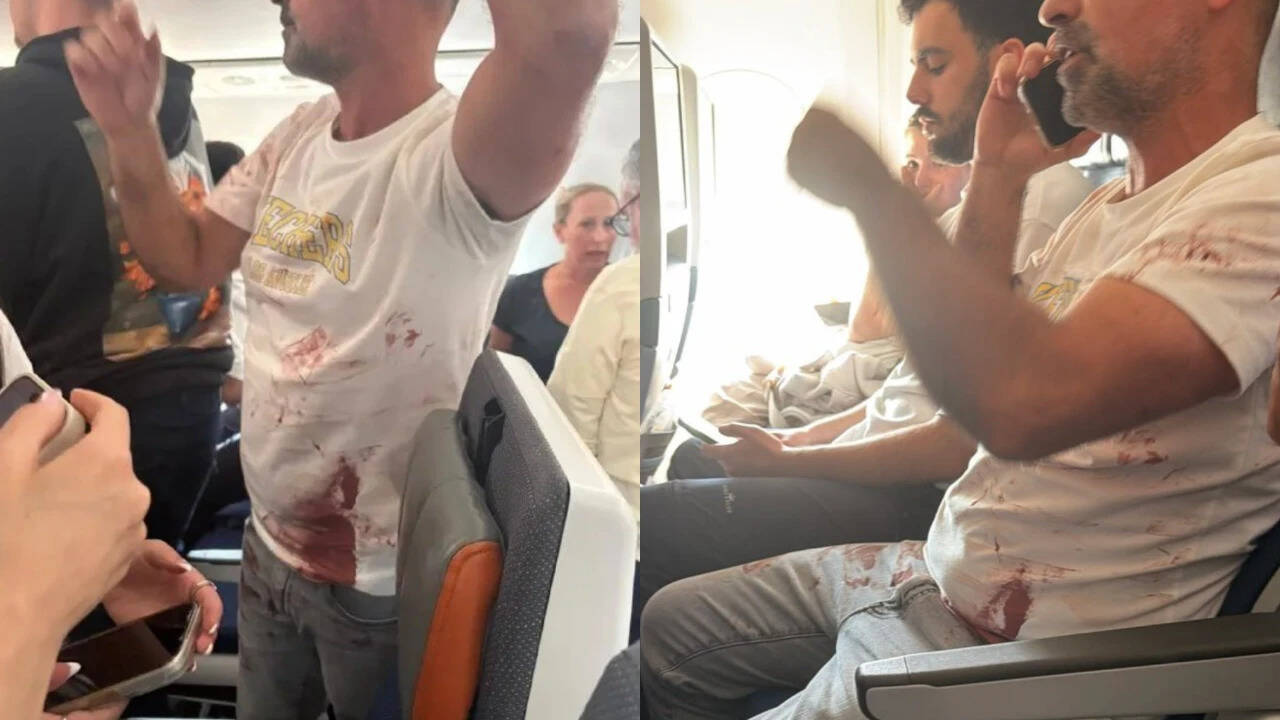
According to findings released by authorities, the first officer turned violently against the captain, using the aircraft's emergency crash axe in an attempt to incapacitate him. The captain, Smit Machchhar, suddenly found himself fighting for his life in a cramped, blood-streaked workspace while the autopilot was overridden and the nose of the plane was violently pushed downward.
Gravity reversed its meaning. The aircraft shrieked as it crossed into structural overspeed territory, the wind screaming against the fuselage as the machine plummeted toward the Saudi Arabian desert.
In the cabin, overhead bins rattled and oxygen masks dropped, but the true terror was the unknown. Passengers later recalled the gripping, cold realization that they were falling. Yet, down the aisle, ordinary people transformed into an impromptu defense line. Roused by the strange, alarming sounds echoing from the front of the plane, passengers and off-duty crew members rushed the flight deck.
Badly wounded and losing strength, Captain Machchhar summoned a final reserve of energy to unlock the cockpit door. That single action changed the trajectory of history. Passengers spilled into the cockpit, tackling the attacker and hauling him away from the controls. Off-duty pilots deadheading in the back rushed forward, taking hold of the yoke to pull the screaming aircraft out of its catastrophic dive.
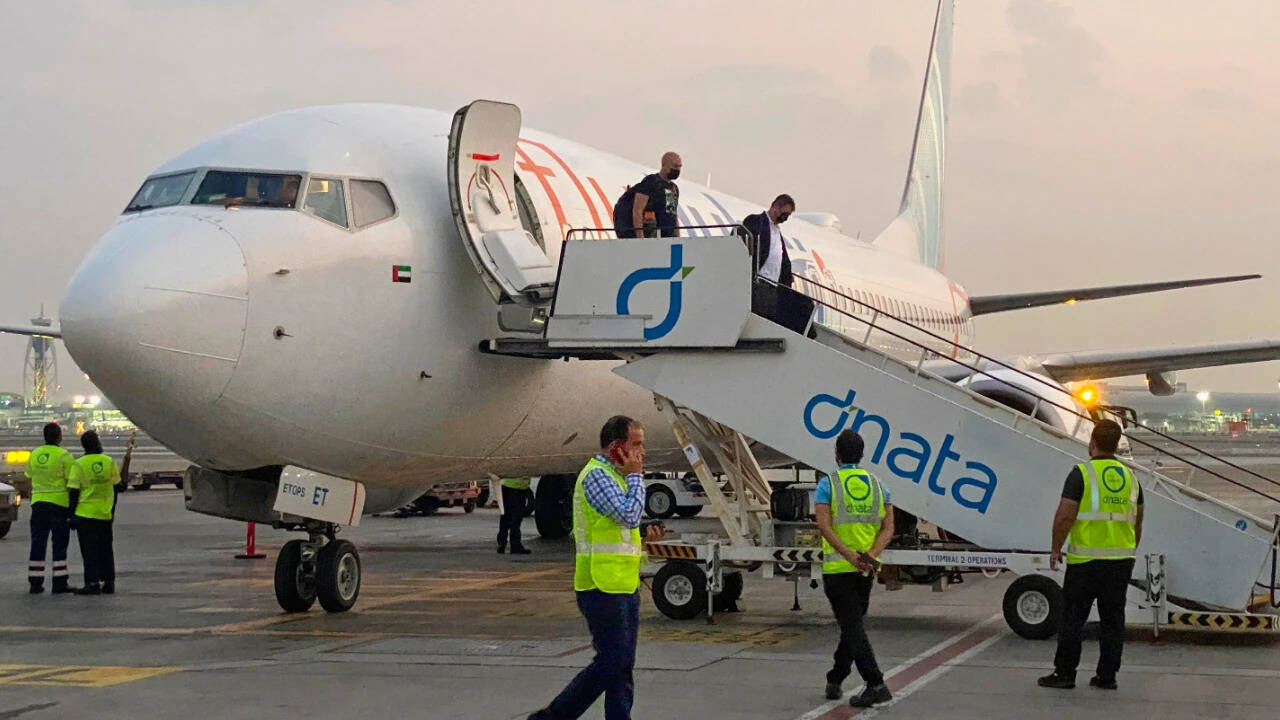
They stabilized the machine near the Saudi-Jordanian border, ultimately guiding it to an emergency landing in Tabuk. Everyone walked off the tarmac, though the psychological scars remain as vast as the airspace they crossed.
As investigators pore over the background of the co-pilot—uncovering digital footprints of radicalization and a premeditated plan—the aviation world is left grappling with a sobering question. How do you protect a system from the very people trusted to uphold it?
Security checkpoints can scan bags for metal, and reinforced doors can keep threats out. But there is no X-ray machine for the human heart. There is no automated sensor for ideological fracture.
When we board an airplane, we place an extraordinary, almost casual amount of faith in strangers. We close our eyes, turn on a movie, and sleep, trusting that the person in the left seat is entirely tethered to the same reality we are. Flight 1073 reminds us how thin that tether truly is.
Yet, the lasting image of that morning is not the darkness of intent that crept into the flight deck. It is the light that answered it. It is a wounded captain refusing to let go of the door. It is a dentist, a plumber, and a cook sprinting toward danger. It is the stubborn, irrepressible instinct of human beings to protect one another, even when the sky itself is falling.