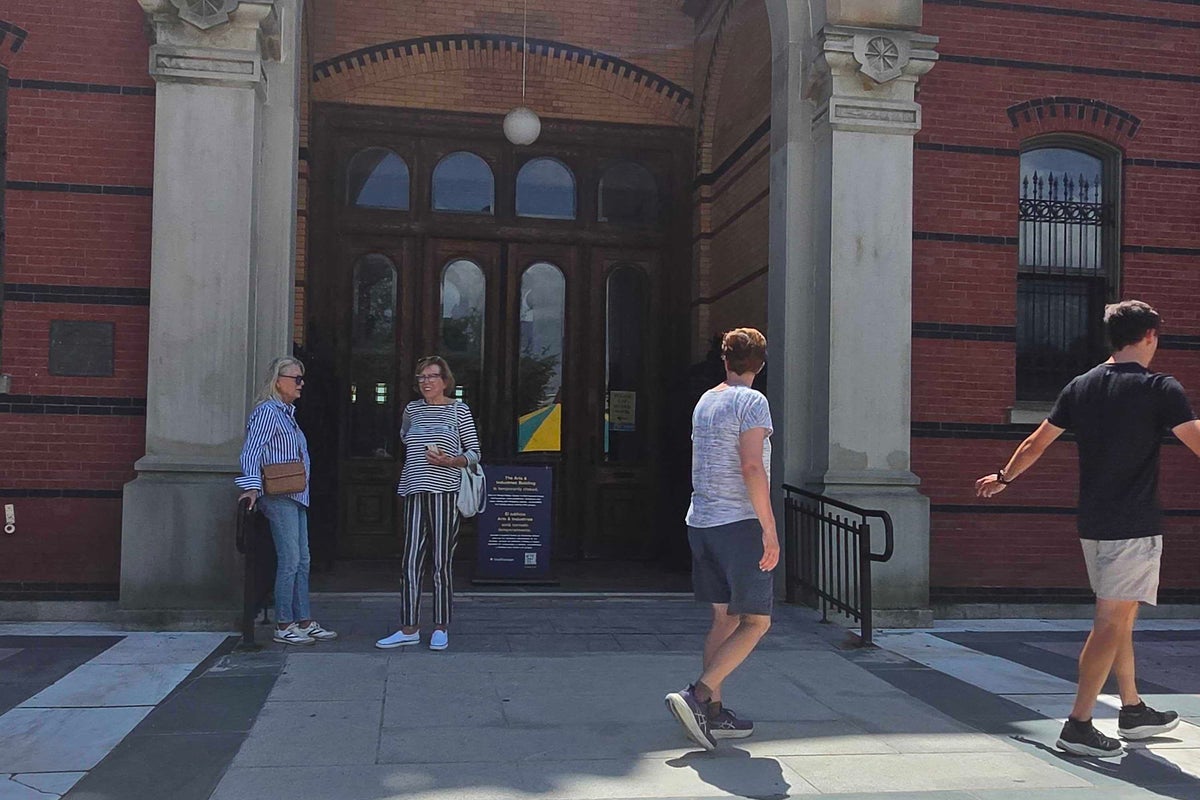
You walk up to the doors of the Smithsonian Castle on a blazing summer afternoon, only to find a locked sign citing an unexpected mechanical failure. Seven prominent Smithsonian facilities along the National Mall shut down abruptly on August 6, leaving tourists and locals stranded outside.
If you planned a trip to the National Mall, you needed to pivot fast. The sudden closures hit a major cluster of popular cultural sites all at once.
Which Buildings Went Dark
The shutdown didn't affect the entire institution. Instead, it targeted a specific strip along the south side of the National Mall along Jefferson Drive Southwest.
The affected locations included:
- The Smithsonian Institution Building, known as the Castle
- The National Museum of the American Indian
- The Hirshhorn Museum and Sculpture Garden
- The National Museum of Asian Art
- The National Museum of African Art
- The Arts and Industries Building
- The S. Dillon Ripley Center
Other massive draws, like the National Museum of American History and the National Museum of Natural History, kept their regular operating hours. If your destination wasn't on the list above, you could walk right in.
The Real Culprit Behind the Closures
The Smithsonian kept initial announcements vague, blaming broad building operations. Behind the scenes, the root cause pointed straight to infrastructure strain.
Reports from maintenance teams indicated that a central cooling plant failure cut off the cold water supply to these specific buildings. When temperatures in Washington soar into grueling heatwaves with heat indices pushing past 100 degrees, aging facility infrastructure takes a massive beating. Centralized chilled water loops feed multiple connected structures on that side of the Mall. When a major pump or chiller acts up, an entire cluster goes down simultaneously.
A similar central plant issue forced partial summer closures last year, keeping buildings dark for days until climate control systems stabilized.
Protecting Priceless Artifacts
Tourists get annoyed by sudden schedule changes, but museum curators panic over environmental shifts. Historical collections require strict climate controls to survive.
Paintings, textiles, and delicate historical items warp, crack, or degrade rapidly when humidity and temperature spikes hit exhibition spaces. When air conditioning and cooling plants fail, facilities must limit internal heat buildup immediately. Shutting down public access cuts down on internal body heat and humidity generated by thousands of daily visitors, buying maintenance crews crucial time to fix the mechanical failure before artifacts suffer irreversible damage.
How to Check Status Before You Go
Don't rely on old travel itineraries or static map apps when visiting Washington's federal museums. Infrastructure breakdowns happen with zero warning.
Check the official Smithsonian visitor center page before heading out to the National Mall. Real-time alerts drop instantly on their web portal and official social media channels whenever a facility goes offline. Keep backup indoor options or outdoor monuments in mind so your entire afternoon isn't ruined by a broken pipe or a fried chiller.