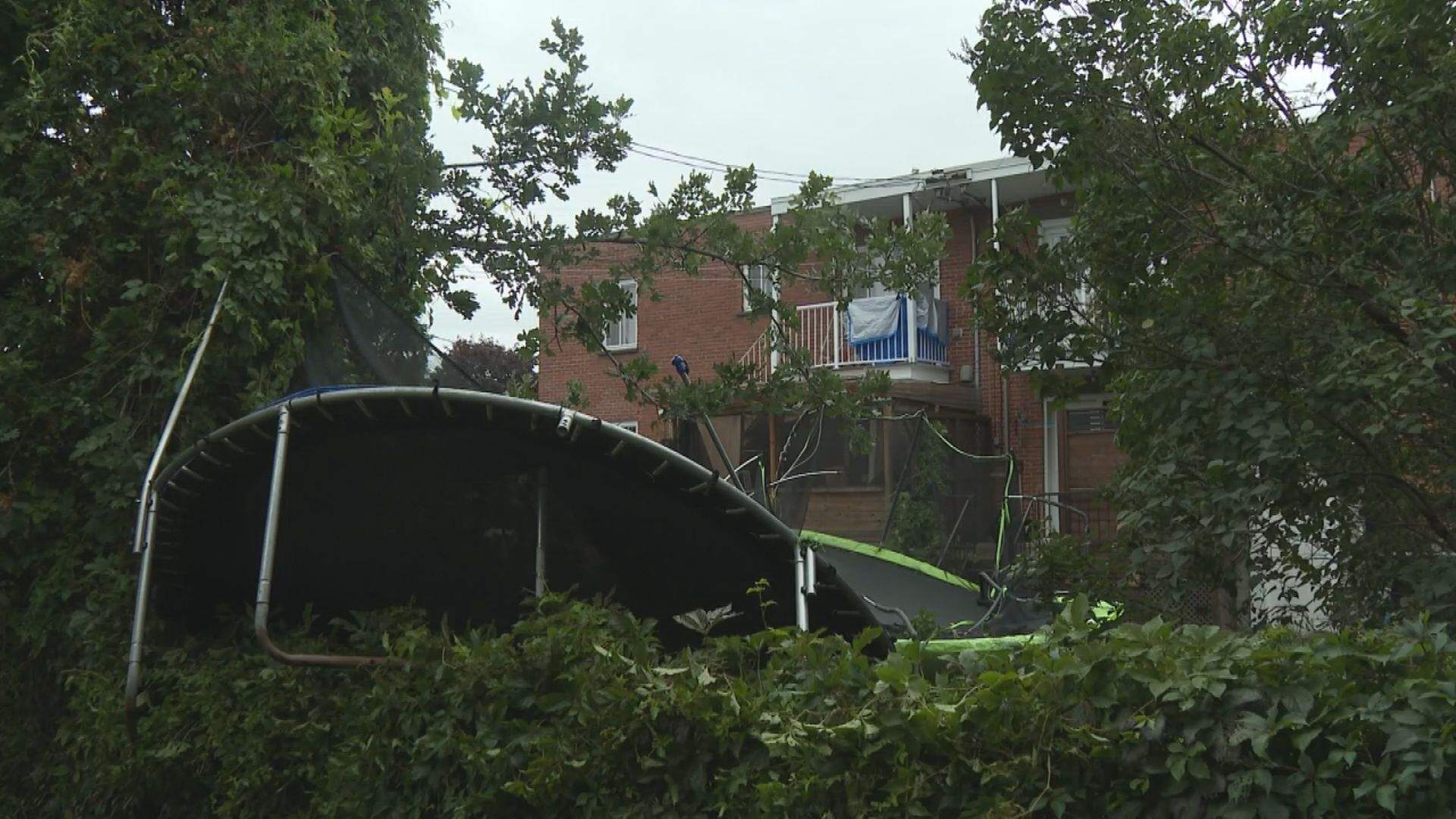
Dark skies, flying debris, and sudden destruction can change a quiet afternoon in Quebec within minutes. When severe weather hits towns near Montreal, residents are left wondering if straight-line winds or an actual tornado tore through their neighborhoods.
A weekend storm that lashed the Repentigny region northeast of Montreal triggered an immediate investigation by weather experts to determine if a tornado touched down. Environment Canada and the Northern Tornadoes Project jumped into action to analyze the wreckage. But figuring out what happened during these high-velocity weather events is trickier than most people think.
How Weather Detectives Track Tornadoes in Quebec
You see downed trees and smashed car windows on the evening news. Experts look at much more than that.
Meteorologists like Kate LeClerc from Environment Canada explain that weak rotation often shows up in severe thunderstorms, but rotation alone doesn't guarantee a twister hit the ground. Weather radars track heavy rain and wind speeds, yet they can miss localized touchdown zones if the rotation is too brief or small.
That is why field teams from the Northern Tornadoes Project deploy directly to the affected sites. They walk through damaged properties, check tree patterns, and look at structural damage to map the exact path of the wind.
The Reality of Predicting Severe Summer Storms
Forecasting summer severe weather in Quebec is a guessing game wrapped in high-stakes science. Morning forecasts often show a general severe thunderstorm watch, leaving residents unprepared for how violent the system will become by afternoon.
Take the recent storms that hit Repentigny. Forecasters knew rain was coming, but the intensity caught drivers and locals off guard. Radar data at the height of the storm only showed heavy precipitation, meaning specialized warnings weren't sent out ahead of time.
This happens frequently across the province. Summer heat mixes with incoming cold fronts, sparking volatile storm cells that can spin up dangerous winds with almost zero notice.
What You Should Do When Severe Weather Strikes
Waiting for official confirmation on whether a storm was a tornado or a straight-line wind event doesn't help you while the sirens are blaring.
- Keep weather alerts active: Make sure your phone gets emergency push notifications from Environment Canada.
- Know your safe spot: Move to a basement or an interior room on the lowest floor away from windows if winds turn violent.
- Stay off the roads: Flash flooding and hidden debris cause major hazards long after the worst of the rain stops.
Quebec's changing summer climate means severe weather events are going to keep testing our infrastructure. Staying alert matters way more than waiting for the official damage rating.