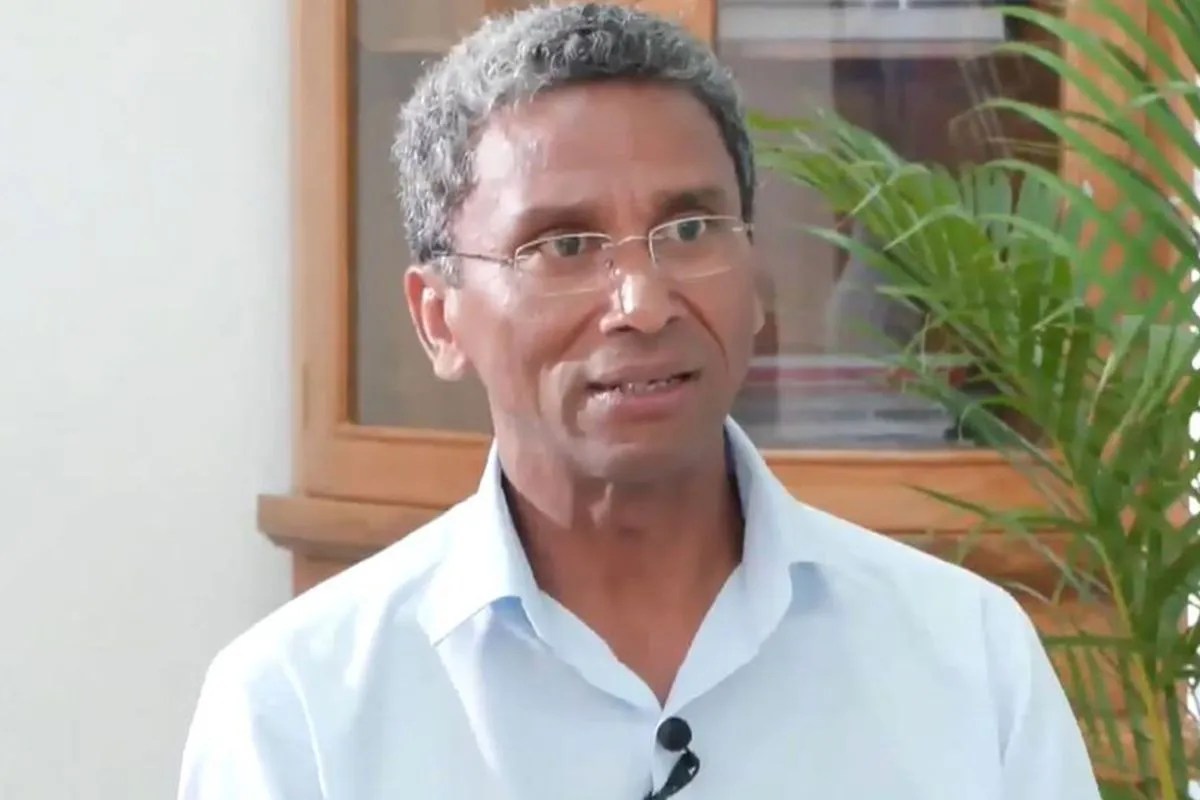
India wants a permanent seat at the United Nations Security Council. It's not a secret. What catches people off guard is how small island nations hold the keys to this massive geopolitical shift. Ahead of Prime Minister Narendra Modi's official visit to the region, Seychelles openly threw its weight behind India's UNSC bid. This isn't just standard diplomatic politeness. It's a calculated move that reshapes maritime security in the Indian Ocean.
Most news outlets cover these updates as dry, bureaucratic handshakes. They miss the real story. When a strategically placed island nation located right along major global shipping lanes aligns with New Delhi, the balance of power shifts.
The Geopolitical Reality of the Western Indian Ocean
Global trade relies on predictable ocean routes. Seychelles sits at a crucial crossroads in the Western Indian Ocean. For years, India worked quietly to establish itself as the primary security provider in this zone. The explicit support from Seychelles for India’s permanent UNSC seat shows this effort pays off.
It isn't a one-way street. Seychelles deals with constant maritime threats like illegal fishing, drug trafficking, and piracy. They don't have the naval capacity to police millions of square kilometers of exclusive economic zone alone. They need a heavy hitter. India steps into that role by providing patrol boats, maritime surveillance aircraft, and radar systems.
This creates a clear exchange of value. India secures the waters and builds coastal surveillance networks. In return, Seychelles provides crucial diplomatic backing on the world stage.
Why Small Island Nations Hold the Veto Power of Influence
People often dismiss the diplomatic voice of smaller countries. That's a mistake. The UN General Assembly operates on a one-country, one-vote system. To force a reform in the UNSC structure, India needs two-thirds of the General Assembly to agree. You don't get those numbers by only talking to global superpowers. You get them by building deep alliances with island groups and African nations.
Seychelles acting as an early advocate creates a ripple effect. It signals to other nations in the South Asian Association for Regional Cooperation and the Indian Ocean Rim Association that India is the stable partner they want representing them at the highest level of global governance.
Breaking Down the Strategic Partnership
The relationship goes deeper than just words on paper. Look at the actual infrastructure and training initiatives established over the last few decades:
- India constructed the strategic coastal radar system across the Seychelles islands to map sea traffic.
- Regular joint military exercises like Lamitye build direct operational familiarity between both armed forces.
- Direct financial grants from New Delhi fund local civic infrastructure, keeping the local population supportive of Indian presence.
The China Factor in the Background
We can't talk about Indian Ocean diplomacy without addressing the elephant in the room. Beijing wants influence here badly. China's string of pearls strategy aims to create a network of military and commercial facilities surrounding India. Seychelles has been a prime target for Chinese economic diplomacy for over a decade.
By locking in strong commitments right before a prime ministerial visit, India asserts its dominance in what it considers its maritime backyard. Seychelles choosing to vocalize support for India's global leadership shows they prefer New Delhi's collaborative approach over Beijing's debt-heavy infrastructure loans. It’s a major diplomatic win that proves India’s neighborhood first policy yields tangible results.
Track This Geopolitical Shift Yourself
Don't just take the talking points at face value. If you want to understand how this dynamic unfolds during the upcoming state visit, watch the specific agreements signed. Look closely at maritime domain awareness treaties, new credit lines for defense equipment, and shared oceanography projects. The real diplomacy happens in the fine print of technical maritime agreements, not the joint press conferences. Keep an eye on official ministry briefs to see how fast these promises turn into actual naval deployments.