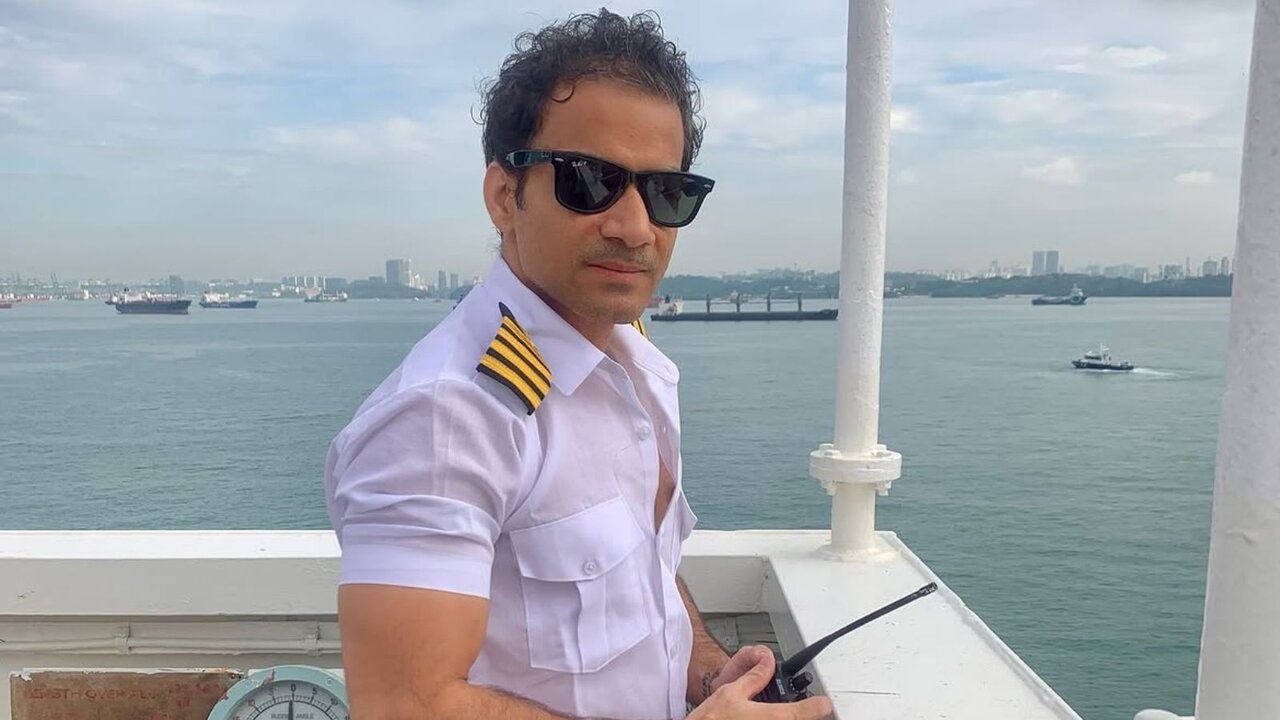
When Royal Marine commandos fast-roped onto the oil tanker MV Smyrtos in the English Channel, they did not just intercept a vessel carrying roughly 98,000 tonnes of Russian crude. They opened a dangerous new legal front in modern maritime warfare. For 38-year-old Indian merchant navy captain Ajay Pant, that June morning marked the beginning of an extraordinary nightmare. While Western governments celebrate sweeping sanctions enforcement against Moscow's opaque shipping networks, individual mariners are now being caught in the crosshairs, facing criminal prosecution and up to a decade in prison for simply doing their jobs.
The Anatomy of a High-Stakes Interdiction
The interception of the Smyrtos was framed by British officials as a major victory against the Russian shadow fleet—the sprawling network of aging tankers with murky ownership structures designed to bypass Western oil price caps. Sailing out of Ust-Luga on June 5 with Port Said listed as its destination, the vessel thought it could thread the needle through European choke points. Instead, a coordinated operation involving the Royal Air Force, National Crime Agency, and elite commandos brought the ship to a halt.
Yet, while hundreds of shadow fleet vessels have faced administrative asset freezes or port bans over the past few years, the UK took a unprecedented step. They bypassed the anonymous shell companies, the offshore holding entities, and the elusive beneficial owners. Instead, prosecutors zeroed in on the man standing on the bridge. Captain Pant was arrested, charged under stringent UK sanctions regulations, and denied bail over fears he might flee. His 24 crew members were eventually repatriated or kept as witnesses, leaving the Indian master isolated in a British jail cell while awaiting a December trial.
The Scapegoat Defense and Maritime Reality
The legal battle lines are drawn over the fundamental nature of merchant command. British prosecutors maintain that Pant, as the master of the ship, possessed full knowledge of the cargo and its illicit origins. They argue that carrying sanctioned hydrocarbons into the global trade ecosystem constitutes a direct violation of domestic statutes.
Defense attorneys and maritime experts counter with an argument rooted in centuries of maritime tradition. A ship captain is an operational employee tasked with navigating a vessel safely from point A to point B. In the secretive world of shadow shipping, beneficial ownership is routinely hidden behind layers of corporate paperwork designed to deceive regulators, insurance providers, and port authorities alike. Expecting an ordinary merchant mariner to unravel complex geopolitical sanctions regimes, verify ultimate corporate beneficiaries, or refuse employment in a hyper-competitive job market ignores the grim economic realities facing international seafarers.
Ritu Pant, the captain's wife, encapsulated the helplessness felt across the global seafaring community during a recent interview. Her husband was simply at the wrong place at the wrong time, trapped in a geopolitical struggle far above his pay grade. When he called her from custody, he was broken, confused, and desperate for rescue.
A Dangerous Precedent for Global Crews
The implications of this prosecution extend far beyond a single ship detained off the Dorset coast. For decades, the unwritten rule of maritime trade was that commercial operators and vessel owners bore the brunt of regulatory violations. Crews executed voyages based on bills of lading and instructions handed down from management offices ashore.
If European courts successfully establish that individual captains carry criminal liability for the geopolitical origin of their cargo, the psychological contract of the merchant navy shatters. Nations like India, which supply hundreds of thousands of highly skilled seafarers to the global fleet, are watching with mounting alarm. Operating a tanker anywhere near contested trade lanes now carries the terrifying prospect of sudden armed boarding, prolonged detention, and multi-year prison sentences.
As the December trial date approaches, the case of the MV Smyrtos threatens to transform the men and women who keep global supply chains moving into disposable pawns in an escalating economic war. The shadow fleet will continue to find ways to move oil through international waters, but the human cost of disrupting it has just become catastrophically high.