A Quiet Cargo in the Middle of the Night
The tarmac at midnight in a war zone is rarely bright, but it is never quiet. Engines whine down. Dust settles on worn pavement. Mechanics move quickly under the dim glow of halogen lamps, their silhouettes stretched thin against the tarmac.
To an outsider watching from miles away, it might look like a standard cargo run. A commercial liner bringing medical supplies, bulk food, or routine mechanical parts. But inside the belly of these transport flights, the manifests tell a vastly different story.
Reports indicate that behind closed doors, specialized transport aircraft carried far more than humanitarian aid into Yemen. Deep within those fuselages sat high-ranking operatives from Iran’s Islamic Revolutionary Guard Corps—specifically from its elite Quds Force—alongside advanced guidance systems, precision missile components, and specialized drone hardware destined for Houthi forces.
This was not a random delivery. It was a calculated, quiet pipeline designed to alter the balance of power across one of the most critical maritime choke points on Earth.
Mechanics of an Unseen Airway
Consider how a covert supply line operates when the world’s eyes are fixed on the region.
You cannot simply fly heavy weaponry across international borders in broad daylight without drawing the attention of radar arrays, satellite surveillance, and naval patrols. The trick lies in blending the extraordinary with the mundane.
Note on context: While exact operational details remain guarded by intelligence agencies, military analysts describe these supply efforts as a mix of commercial charter cloaks, secondary airfields, and rapid offloading protocols designed to minimize footprint.
Imagine a specialized technician sitting in a hangar in Tehran. His job is not to build a finished missile, but to disassemble one into modular, unidentifiable parts. A flight control unit here. A circuit board for terminal guidance there. An engine casing disguised as heavy industrial machinery.
When these individual components land in Yemen, IRGC commanders on the ground assemble the pieces. They provide the technical expertise that local forces lack, effectively transferring high-tier military capabilities without the massive paper trail of an official state-to-state arms agreement.
It is a strategy of proxy empowerment. The state supplying the gear stays one step removed from the immediate trigger pull, while the group receiving it gains the power to hold international shipping lanes hostage.
What Happens When Precision Meets the Bab el-Mandeb
For years, the conflict in Yemen was understood primarily as a localized civil war—a tragic, devastating struggle between internal factions. But the influx of sophisticated missile guidance gear changed the math completely.
An unguided rocket fired at a ship ten miles off the coast is mostly an exercise in luck. A ballistic missile equipped with modern guidance electronics is a catastrophe waiting to happen.
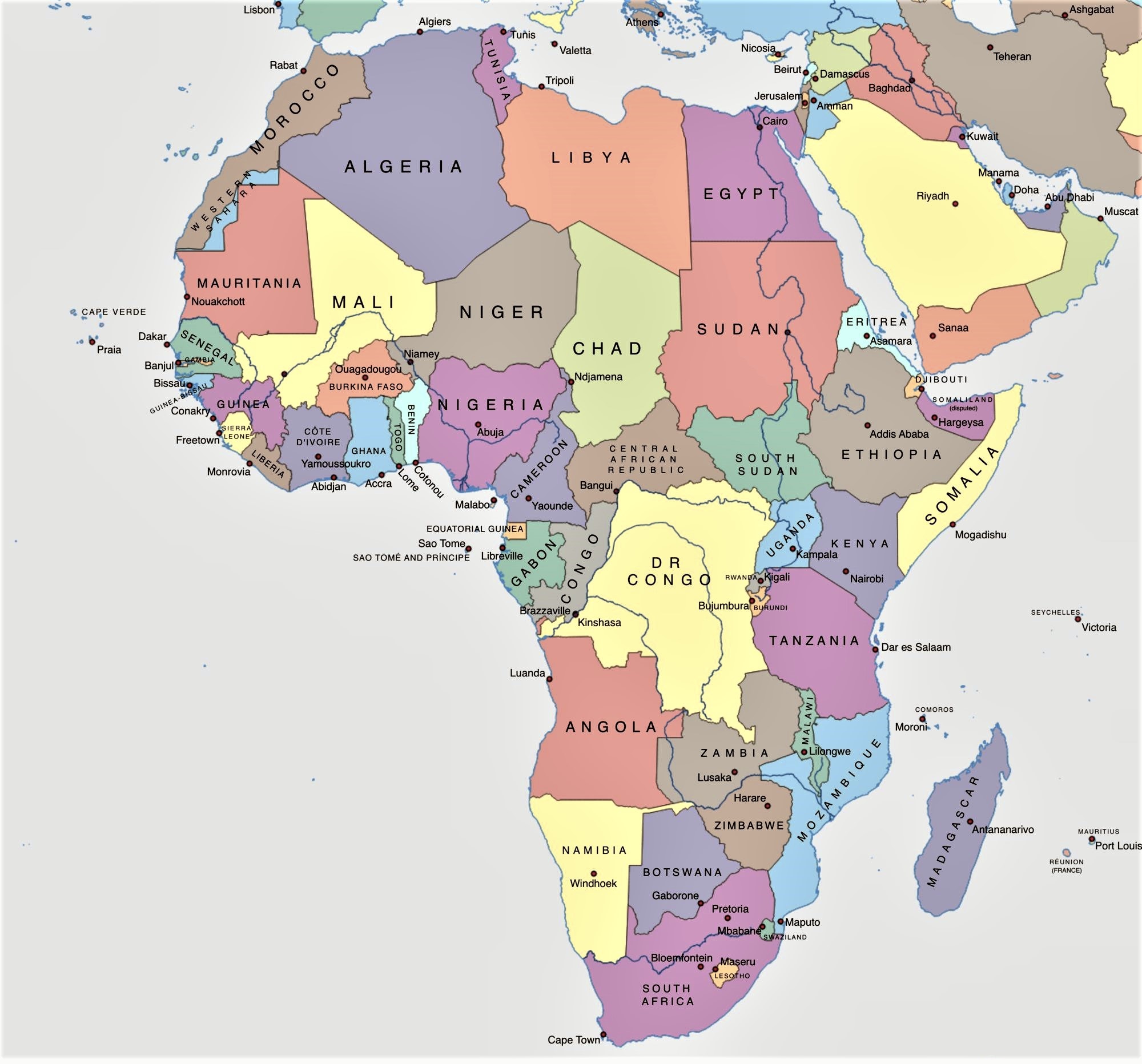
When guided missiles and long-range attack drones were placed into the hands of Houthi fighters, the impact spread far beyond the borders of Yemen. The Bab el-Mandeb Strait—a narrow waterway connecting the Red Sea to the Gulf of Aden—suddenly became a high-risk zone for global commerce.
Think of what passes through that narrow neck of water every single day:
- Millions of barrels of crude oil powering homes and factories across Europe and Asia.
- Massive container ships carrying electronics, clothing, and vital medical equipment.
- Grain transports heading toward nations suffering from severe food insecurity.
When a container ship is targeted by a drone assembled with foreign components and guided by foreign intelligence, the cost is not borne solely by the shipping company. It trickles down to every single consumer on the planet. Insurance rates for maritime transport skyrocket overnight. Ships are forced to take the long route around the Cape of Good Hope, adding weeks to transit times and burning thousands of additional tons of fuel.
A single covert flight into Sanaa creates a ripple effect that touches the price of groceries in London, fuel in Mumbai, and supply chains in Chicago.
The Human Element on the Ground
It is easy to analyze geopolitical maneuvers as if they were pieces moving across a chessboard. But every military cargo flight has immediate, human consequences for those living beneath its flight path.
For civilians in Yemen, the presence of foreign military advisors and advanced weaponry turns their home into a permanent focal point for international retaliation. When launching pads are established near civilian infrastructure, the surrounding communities become collateral risks in an ongoing air campaign.
The commanders who stepped off those flights did not bring solutions for the widespread food shortages, contaminated water supplies, or collapsing healthcare infrastructure in the region. They brought the tools of deterrence and power projection.
There is an unavoidable tension here. On one side, regional actors frame these covert operations as strategic resistance against Western influence and regional rivals. On the other side, millions of ordinary people find their daily lives held hostage by an escalating cycle of strikes, counter-strikes, and economic blockades.
The Friction of Exposure
Why do these covert flights make headlines now? Because the cloak of secrecy is notoriously fragile.
Operational security breaks down through small errors. A intercepted communication, a satellite image capturing an unusual cargo plane at an unannounced hour, or a recovered missile fragment bearing serial numbers that trace back to specific manufacturing plants.
When intelligence reports go public detailing the presence of IRGC commanders in Yemen, the diplomatic ground shifts. It forces international bodies to re-evaluate their policies. It exposes the fiction that the conflict is purely internal, laying bare the vast network of external state support that keeps the fire burning.
Yet, exposure rarely stops the machinery instantly. Instead, it pushes the operation deeper into the shadows. Flights become less frequent but more specialized. Routes are altered. The technicians and advisors change uniforms, shift locations, and adapt their methods to stay one step ahead of detection.
The Long Shadow Over the Water
The story of commanders and missile gear flowing quietly into Yemen is ultimately a story about the changing nature of modern warfare.
Direct state-on-state warfare is loud, expensive, and politically dangerous. Proxy operations, fueled by covert transport flights and transferred technology, are quiet, adaptable, and flexible. They allow powerful nations to exert force thousands of miles away while maintaining a layer of plausible deniability.
As long as those cargo planes can find a runway in the night, the red dirt of Yemen and the blue waters of the Red Sea will remain locked in a struggle far larger than themselves. The skies above Sanaa may look quiet between flights, but the machinery delivered in the dark continues to dictate the security of the world below.