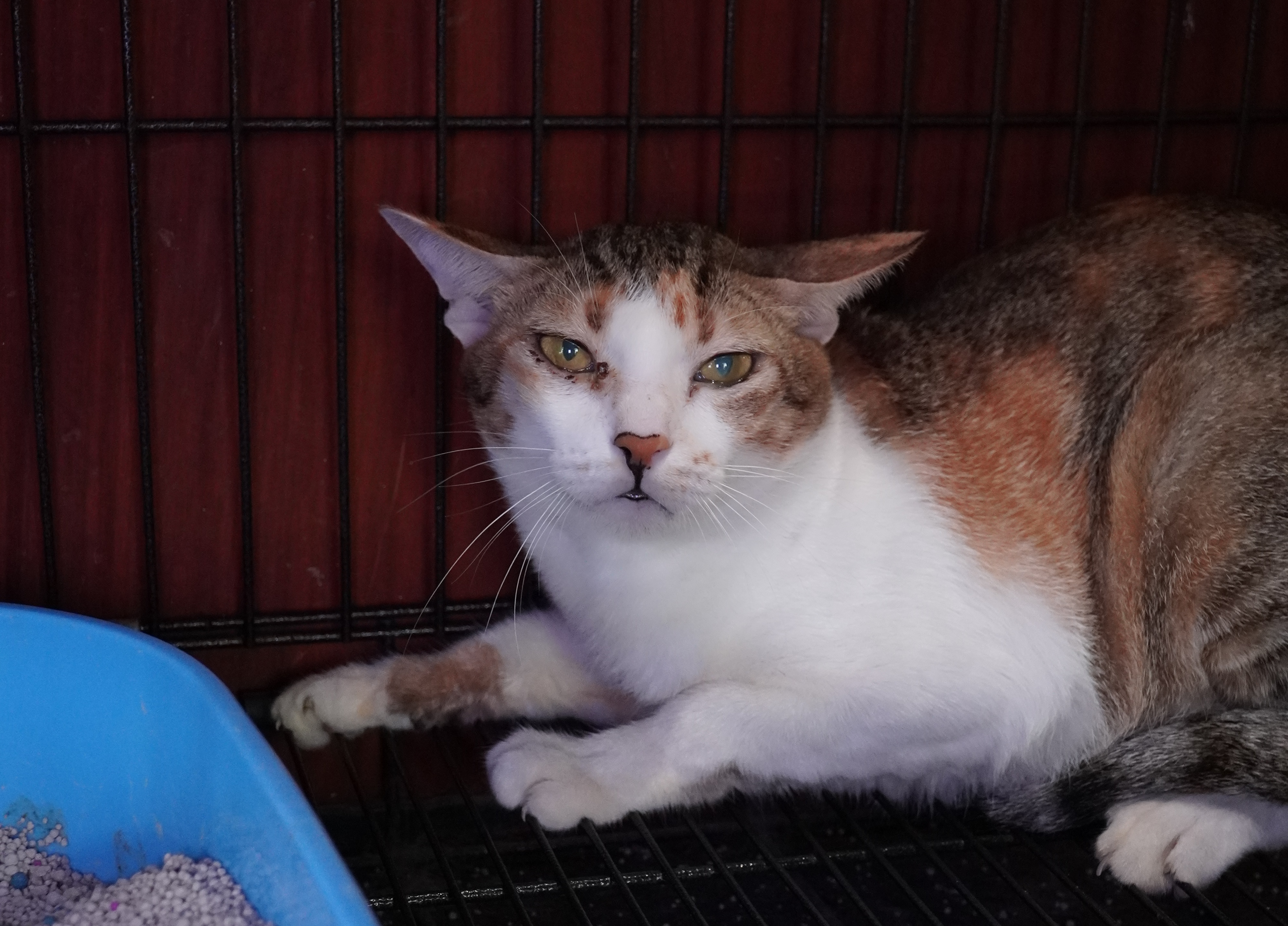
Midnight in urban Vietnam moves to a different register. The neon signs of noodle shops flicker out, the roar of daytime traffic dissolves into the hum of distant air conditioners, and the alleyways grow dark. In this quiet hour, police officers in major metropolitan areas routinely intercept individuals operating in the shadows. Recent law enforcement actions resulting in the arrest of twelve suspects linked to nocturnal cat snatching lay bare a persistent criminal network. These individuals patrol city streets after dark, utilizing specialized tools to snatch domestic felines from porches and curbsides. They are not acting out of malice toward animals alone. They are supplying an active, clandestine market that treats neighborhood pets as livestock.
The phenomenon goes far beyond petty theft. It exposes the complex mechanics of an informal culinary pipeline that operates largely out of sight. While national attitudes toward the consumption of dog and cat meat are shifting under the weight of growing urbanization, expanding middle-class pet ownership, and international pressure, a resilient black market persists. Understanding why pet theft thrives requires examining the economic pressures driving suppliers and the cultural inertia sustaining consumers.
For decades, certain urban and rural districts maintained a steady demand for specialized meat products associated with specific social occasions or belief systems. Prices fluctuate based on supply, and domestic cats have increasingly become targets because traditional rural sources of livestock have grown more expensive and regulated. When street prices for canine and feline meat rise, small-time operators take to the pavement. They view sleeping pets not as family companions, but as immediate liquid assets.
Law enforcement agencies face immense hurdles when trying to curb these operations. A cat snatched from a doorstep can be processed, packaged, and transported across provincial borders within hours. Police sweeps like the recent arrest of the twelve suspects are high-profile victories, yet they represent a fraction of the illicit trade. Municipal forces must balance violent crime, narcotics enforcement, and traffic management alongside animal theft. Without dedicated task forces, tracking down ringleaders who finance these street-level operators remains an uphill battle.
The Mechanics of the Midnight Sweep
Operating a feline trafficking ring requires specialized knowledge of urban geography and animal behavior. Perpetrators rarely rely on brute force alone. They use modified motorbikes, weighted nets, tranquilizer darts, or wire snares designed to capture animals quickly without raising the alarms of sleeping homeowners.
Operating protocols within these criminal cells mirror those of low-level contraband rings. Spotters scout neighborhoods during daylight hours, mapping out which households leave pets outside or allow them to roam freely. When night falls, the snatchers move in. Within seconds, a beloved household pet vanishes into a burlap sack, tossed into the underseat storage of a scooter or strapped to the back rack.
By sunrise, the animals change hands multiple times. Street-level thieves sell their catch to middle-men operating out of unlicensed slaughterhouses hidden on the urban periphery. These consolidation points supply rustic eateries, clandestine roadside stalls, and wholesale vendors who cater to a shrinking yet fiercely loyal clientele.
The traceability of these animals is virtually nonexistent. Unlike livestock, urban pets lack mandatory microchips, ear tags, or agricultural transit permits. When police pull over a suspect carrying a cage full of cats, proving ownership is legally difficult unless an owner steps forward immediately with photographs or veterinary records. Often, the animals are recovered too late, traumatized, or already integrated into the supply chain before owners realize what has happened.
Cultural Shifts and Generational Divides
To analyze the cat meat trade purely through the lens of criminality misses the broader sociological transition currently underway across Southeast Asia. Vietnam is experiencing a profound generational split regarding animal welfare.
Younger urbanites, raised alongside the global internet culture of pet ownership, view cats and dogs as sentient companions deserving of legal protection and moral consideration. For this demographic, the existence of a pet-meat trade is a source of national embarrassment and moral outrage. Animal rights advocates have grown increasingly vocal, staging protests, operating rescue shelters, and utilizing social media to shame establishments that serve exotic or domestic animal dishes.
Conversely, an older rural demographic often views the consumption of such meat through an entirely different framework. Rooted in periods of historical food scarcity, agricultural tradition, and folk beliefs regarding medicinal properties or luck, this generation treats the practice as a matter of dietary choice rather than ethical transgression.
This cultural friction creates a fragmented regulatory environment. While municipal governments in Hanoi and Ho Chi Minh City have periodically issued guidelines urging restaurants to phase out the sale of dog and cat meat to protect the nation's tourism image and public health, comprehensive federal bans remain complex to enforce. Public health officials have repeatedly warned that the unregulated trade in domestic carnivores poses severe risks of zoonotic disease transmission, including rabies outbreaks and bacterial infections, yet enforcement mechanisms lag behind the rhetoric.
The Economic Reality of the Black Market
At the heart of the trade lies simple economics. Inflation, rising costs of living, and economic volatility create perverse incentives for individuals living on the margins. Stealing a purebred or well-fed domestic cat and selling it to a slaughterhouse yields quick cash for a night's work.
The middlemen capture the highest margins. They launder the animals through informal supply networks, sanitizing the origin of the meat before it reaches the end consumer. As public scrutiny increases, these operations grow more clandestine. Establishments that once openly advertised specialized dishes now operate via word-of-mouth, private messaging groups, and encrypted delivery services.
The recent arrests demonstrate that police are adapting to these digital tactics, monitoring online forums and social media marketplaces where stolen pets are sometimes fenced or where illicit meat is marketed to buyers. Yet, digital policing requires sophisticated surveillance resources that local precincts often lack. Cyber-investigation units are typically deployed against financial fraud or major narcotics rings rather than localized wildlife or pet poaching rings.
The Future of Urban Animal Protection
Protecting urban pets requires structural changes that extend far beyond arresting street-level thieves. Municipal authorities must implement mandatory registration systems for domestic animals, increase penalties for pet theft to match the financial and emotional value of the animals, and establish dedicated animal protection bureaus within police departments.
Civil society organizations are stepping into the void, but non-governmental shelters are perpetually underfunded and overwhelmed. Without government subsidies and stricter municipal ordinances penalizing both the buyers and sellers of stolen pets, the underground economy will adapt and survive.
The twelve suspects currently facing charges in local courts are unlikely to be the last. As long as a market exists and enforcement remains sporadic, the temptation of easy money under the cover of darkness will continue to draw opportunistic individuals into the alleyways. The fight against urban pet theft is not merely a matter of law enforcement; it is a battle over what kind of society modern cities choose to become.
The alleyways remain dark tonight. Somewhere in the sprawling labyrinth of the city, a scooter engine cuts its ignition, and a net descends upon another quiet porch.


