The brutal killing of former British politician Ann Widdecombe at her isolated Devon home laid bare the fragile fault lines of public safety and ideological volatility in modern Britain. When a prominent public figure meets a violent end behind closed doors, public imagination immediately leaps to the darkest conclusions. Speculation runs wild across digital platforms before investigators even clear the crime scene. Yet the rush to frame every assault on a political figure as an act of calculated terrorism or ideological warfare often obscures a much more complex, disquieting reality.
Understanding what happened inside that Haytor property requires stripping away the immediate noise of political opportunism. Widdecombe, a 78-year-old former Conservative minister and later a fiery spokesperson for Reform UK, spent decades courting controversy. Her polarizing stances on social issues, her sharp tongue, and her transition from the green benches of Westminster to reality television made her a fixture of British cultural life. Because of that high profile, her violent death naturally triggered deep anxieties about the security of those who choose public service. Expanding on this topic, you can find more in: Why the New Catholic Suicide Memorial Changes Everything We Thought We Knew About Grief.
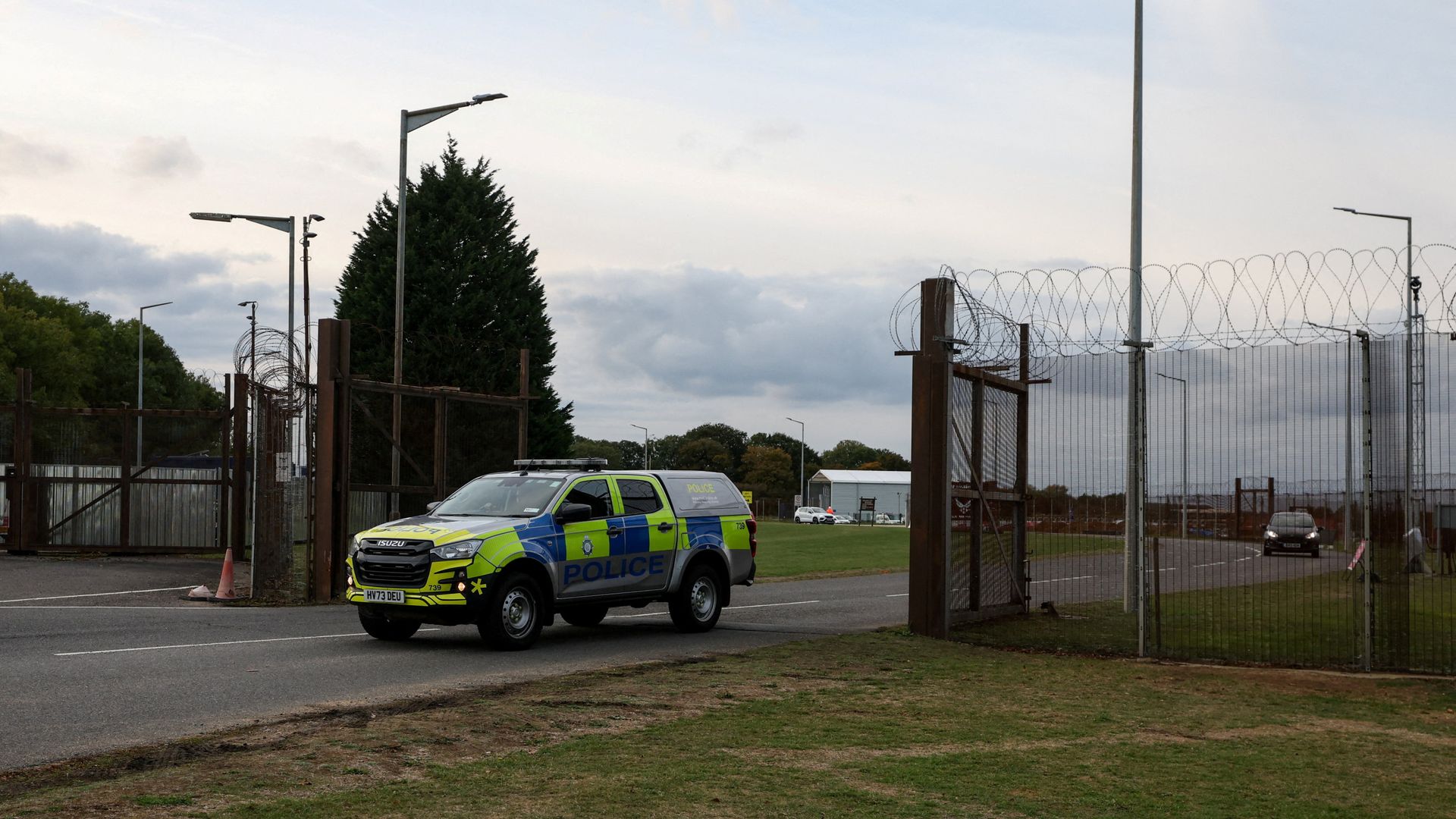
Yet law enforcement agencies walked back initial fears of an organized political conspiracy almost as quickly as the rumors spread. The arrest of a 28-year-old suspect from South Yorkshire by counter-terrorism officers initially supercharged public theories. In the post-Jo Cox and Sir David Amess era, any involvement of counter-terrorism units automatically signals a threat to the democratic fabric itself. Investigators quickly clarified that a counter-terrorism lead does not inherently equate to a politically motivated ideological assassination. Operational necessity often dictates resource allocation, specialized forensics, and multi-jurisdictional coordination long before a definitive motive is formally established.
The timeline itself tells a grim, methodical story. Communication logs show that Widdecombe was actively corresponding with television researchers shortly after midday, arranging media appearances that would never happen. Within hours of those final digital footprints, blunt-force trauma ended her life. The perpetrator traveled hundreds of miles from the industrial north to the quiet expanses of Dartmoor, a geographic leap that fueled endless theories regarding premeditation and targeted political violence. Analysts at Associated Press have provided expertise on this trend.
To treat every crime against a controversial figure as an ideological struggle is to misunderstand how most violent crime operates. Politicians, pundits, and lightning rods for public debate remain flesh-and-blood human beings living in vulnerable domestic spaces. They are susceptible to random predation, domestic disputes, financial grievances, or interpersonal conflicts that have nothing to do with the ballot box or party platforms. When commentators immediately weaponize a tragic death to score points in the culture wars, they disrespect the grieving process and distort the reality of criminal justice.
Consider a hypothetical parallel: a high-profile whistleblower is found dead after exposing corporate corruption. The immediate assumption of foul play by corporate hit squads is understandable, but investigators must first rule out routine domestic or financial motives. Jumping straight to a cinematic conspiracy often blinds investigators to mundane, brutal truths.
The involvement of counter-terrorism policing in the Widdecombe inquiry highlights a modern institutional paranoia. Security services must operate with extreme caution in an era where social media echo chambers can mobilize anger or distort facts within minutes. When senior political figures rushed to the scene before forensic teams had even finished their work, they blurred the line between legitimate concern for public safety and opportunistic narrative building.
Public safety for elected and former officials has transformed into an engineering nightmare. Elected representatives are told to balance accessibility with fortress-like personal security. Widdecombe herself famously rejected certain safety protocols because she believed they interfered with her fundamental duty to meet constituents face-to-face. That commitment to old-school democratic engagement leaves public figures dangerously exposed in an increasingly volatile world.
The criminal justice system moves deliberately, frustrating an audience raised on instant digital updates and neat narrative resolutions. As the legal process unfolds, the temptation to project our own political anxieties onto a horrific crime remains strong. Resist that impulse. The truth behind the tragedy on the moor is written not in grand political manifestos, but in the cold, unyielding mechanics of forensic evidence and human transgression.