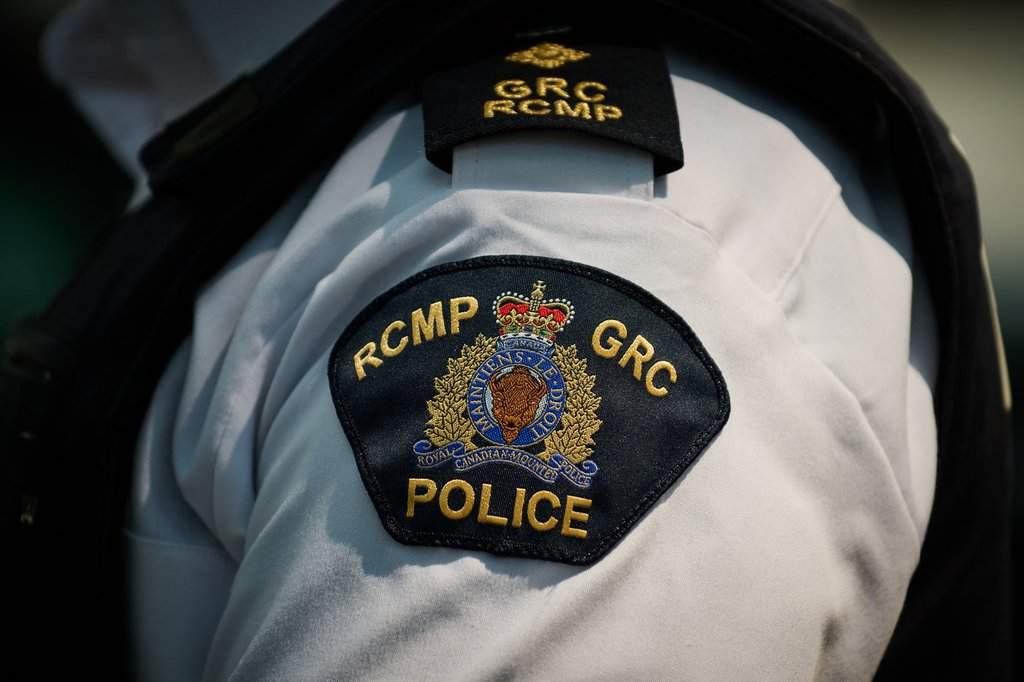
Four individuals face charges, but the iron gates of the Lynn Lake RCMP detachment in northern Manitoba tell a darker story about institutional abandonment. When a 72-year-old man was left dying on the gravel outside a bastion of Canadian law enforcement, it laid bare an uncomfortable reality. Remote policing infrastructure across Canada's northern frontiers is failing the very citizens it is mandated to protect.
We expect safety to have a physical address. We assume that a police station represents a 24-hour beacon of security, a warm light in a hostile wilderness, a place where vulnerability meets immediate sanctuary. Yet, in the cold hours of a September morning in Lynn Lake, that promise dissolved. An elderly man, beaten and broken, expired steps away from a building designed to enforce the law.
The charges leveled against the four suspects will wind their way through a sluggish judicial system. Court dates will be set. Legal arguments will be parsed. Defense attorneys will file motions, and prosecutors will present their evidence. But the criminal trial is only a symptom-level examination of a systemic collapse that goes far deeper than the actions of the accused individuals.
The Geography of Neglect
To understand how a man could die outside a police post, one must understand the geography of isolation. Lynn Lake is not downtown Toronto or central Winnipeg. It sits deep in northern Manitoba, a former mining town transformed into a remote hub where municipal services are perpetually stretched to their absolute breaking point.
Resources are scarce. Detachments are routinely understaffed. Officers cover vast, unforgiving expanses of territory that defy rapid response times. In many northern outposts, the physical detachment building itself operates on restricted hours or functions with minimal on-site personnel during graveyard shifts, relying on centralized dispatch systems that bridge hundreds of miles via digital signals and radio waves.
When seconds count, the detachment door is sometimes locked. The lights may be on, but the human presence is stretched thin across a thousand square miles of bush and muskeg.
This is the hidden crisis of rural and remote law enforcement in Canada. For decades, federal and provincial authorities have papered over structural deficits with rhetoric about community safety while slowly bleeding resources from northern detachments. Officers burn out. Turnover rates spin out of control. Institutional memory vanishes as rookies are thrust into high-intensity environments without adequate mentorship.
When a detachment becomes an administrative ghost town after dark, accountability evaporates.
The Anatomy of a Response Breakdown
Details emerge slowly in remote homicide investigations. The RCMP Major Crime Services unit moves with deliberate caution, piecing together the timeline of how a 72-year-old senior came to be lying motionless on the ground outside their door.
Did anyone look out the window? Did the dispatch logs reflect calls for assistance in the vicinity? Why did the victim end up at that specific doorstep? These questions form the core of an inquiry that reaches far beyond the immediate perpetrators of the violence.
Violence in isolated communities rarely happens in a vacuum. It is fueled by chronic socioeconomic decay, generational trauma, lack of mental health infrastructure, and the near-total absence of social safety nets. When the state provides only a badge and a cruiser—and sometimes barely that—communities are left to absorb shocks they are structurally ill-equipped to handle.
The four accused are now staring down the barrel of serious criminal charges. The community of Lynn Lake is left to mourn a elder whose final moments were spent on the cold ground outside the very institution meant to be a refuge.
Yet, the systemic architects of this failure will face no courtroom. They sit comfortably in provincial legislatures and federal offices, managing budgets that treat northern security as an afterthought. They issue standard press releases expressing condolences, promise internal reviews that yield vague recommendations, and then pivot back to urban priorities.
The blood outside the Lynn Lake detachment has been washed away. The legal proceedings will eventually conclude. But the structural rot in northern policing remains untouched, waiting for the next dark morning in a forgotten town.
This video provides local context on recent tragic incidents and community safety issues in Manitoba.