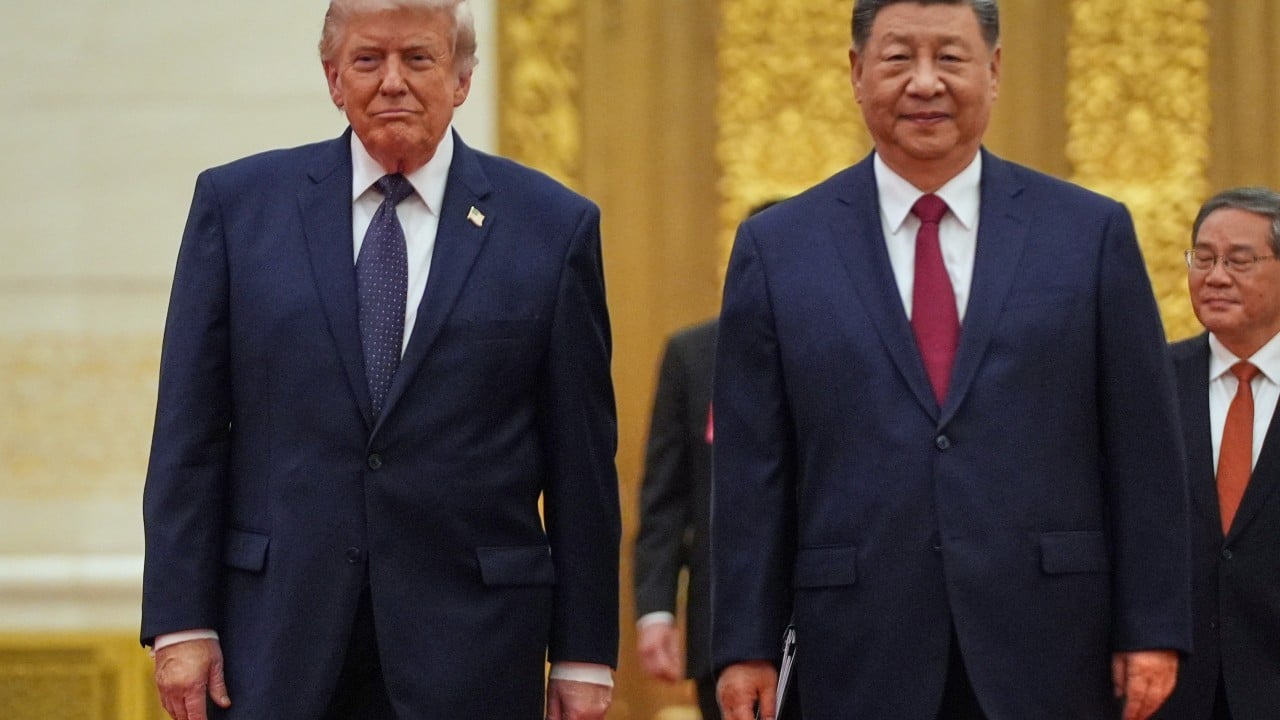
When Donald Trump and Xi Jinping step into a bilateral room on the sidelines of the Asia-Pacific Economic Cooperation forum in Shenzhen, the applause from global markets will be deafening. Corporate boards and currency traders crave certainty above all else. They want to hear about tariff rollbacks, agricultural commitments, and managed supply chains.
Yet anyone tracking this diplomatic chess match for more than a week knows that these high-level handshakes rarely solve structural fissures. They merely pause them.
The impending summit arrives at a moment of acute friction. Behind closed doors, trade ministers have been hammering out details regarding tariff reductions and agricultural trade, trying to salvage pieces of a fragile economic detente. Beijing wants the immediate implementation of previous tariff-reduction commitments, while Washington continues to juggle domestic pressures concerning industrial protection, intellectual property, and rare earth export controls.
To view this meeting as a turning point toward a lasting commercial peace is to misunderstand the DNA of modern superpower competition.
Trade policy in this era is transactional, volatile, and permanently vulnerable to domestic political winds. When Trump speaks about bilateral relations, the metric of success is immediate numerical parity: agricultural purchases, commercial aircraft orders, and visible export numbers. When Xi approaches the table, the priority is systemic security, technological autonomy, and the preservation of supply chain dominance. These two philosophies do not merge easily. They rub against each other until sparks fly.
Consider the baseline mechanics of the negotiations. The United States presses for expanded access to critical minerals, attempting to loosen China's grip on rare earth processing choke points. China, meanwhile, demands relief from broad industrial tariffs and restrictions on advanced technology sectors. Because neither side can afford a total economic rupture, they default to cyclical pauses. They agree to extend trade truces, tweak a few percentage points off specific import duties, and declare victory for the evening news bulletins.
The deeper reality is that decoupling is no longer a theoretical threat; it is a slow-motion institutional reality. Supply chains have already diversified across Southeast Asia, Mexico, and domestic manufacturing hubs. Corporations have spent years building redundancy into their operations not because politicians told them to, but because the alternative—relying on a single, politically unstable pipeline—is corporate suicide.
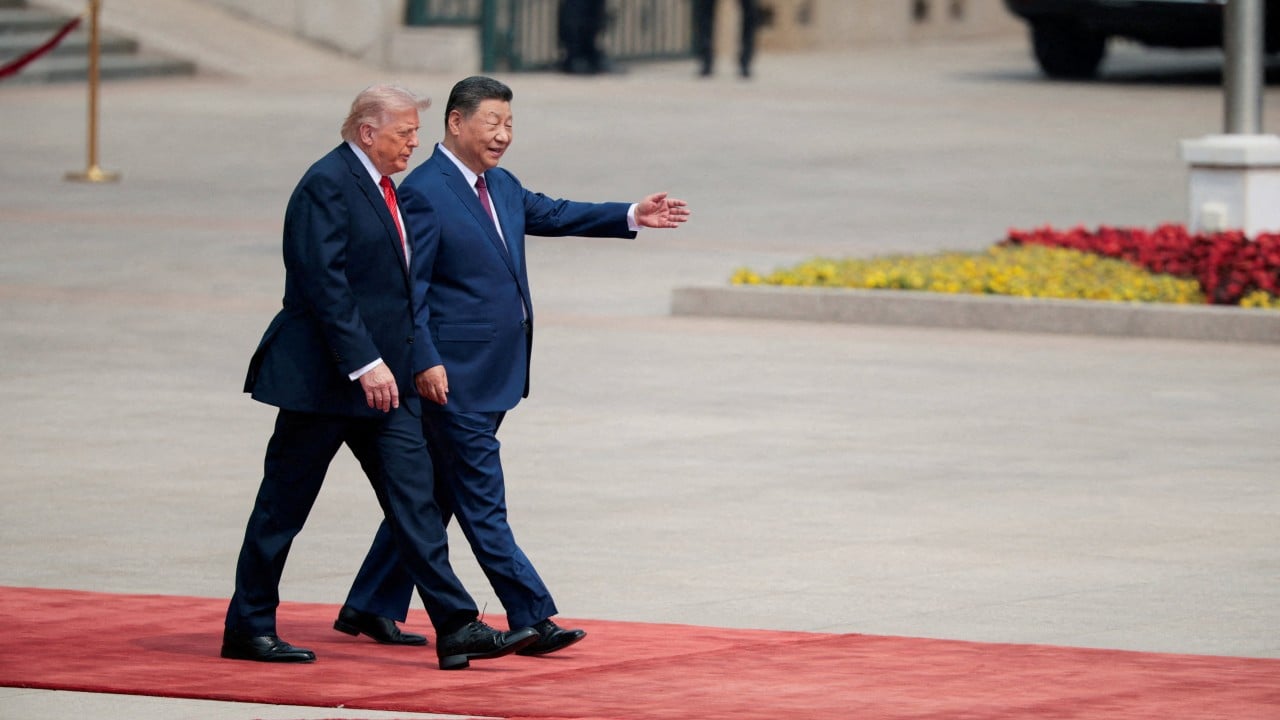
When Trump and Xi pose for cameras in Shenzhen, they will project an image of personal rapport. Both leaders understand the utility of projecting control. For Trump, the personal summit is a tool to extract headline-grabbing concessions. For Xi, it is an opportunity to project global statesmanship and secure breathing room for China's export-driven industrial policy, which recently posted robust growth figures despite Western headwinds.
Yet the underlying architecture of the relationship remains adversarial. The flashpoints extend far beyond customs duties. Technology transfer limitations, maritime security in the South China Sea, and strategic alignment over global conflicts ensure that every trade concession is counterbalanced by a security restriction.
Markets will rally on Thursday. Financial anchors will report that stability has returned to the Pacific.
By Friday afternoon, regulatory agencies in both capitals will quietly resume the quiet war of export controls, blacklist expansions, and strategic industrial subsidies. The summit in Shenzhen is not the end of the conflict; it is merely the intermission.