Altitude can do strange things to perspective. At thirty-five thousand feet, the earth below looks like a child’s painted map—rivers are thin blue veins, cities are scattered circuits of amber light, and the political hatreds that tear continents apart are invisible to the naked eye. Up there, in the thin, freezing blue, a metal tube filled with sleeping passengers is supposed to be an island of absolute neutrality.
Then something strikes the fuselage.
Imagine sitting in seat 14A. You are reading a paperback or watching the flicker of an inflight map, tracking your descent toward familiar lights, when the cabin pressure shifts with a hollow, stomach-dropping shudder. There is a sound—not an explosion, but a heavy, concussive thud that vibrates through the floorboards right into your shoes. Masks drop from the ceiling like yellow spiders. The air smells faintly of ozone and fear.
That was the terrifying reality for the passengers aboard the flydubai flight caught in an unexplained aerial incident over the skies connecting the Gulf to the Levant. In an instant, the abstract headlines of regional conflict stop being a ticker tape running across the bottom of a cable news screen. They become gravity. They become oxygen masks. They become a question whispered in the dark: Who did this?
Down on the ground, in the fortified briefing rooms of Jerusalem and Dubai, a very different kind of altitude sickness takes hold. Politics.
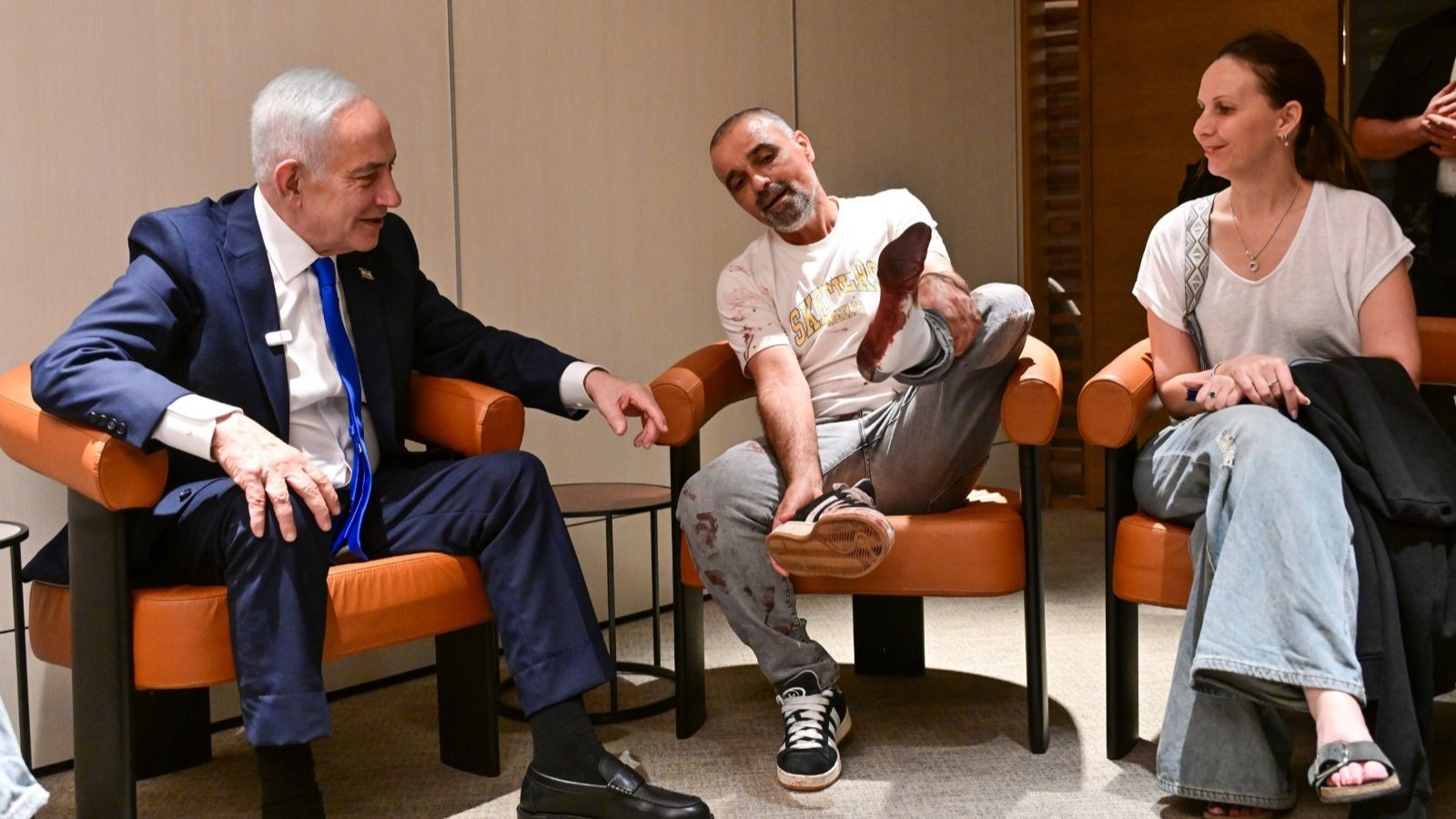
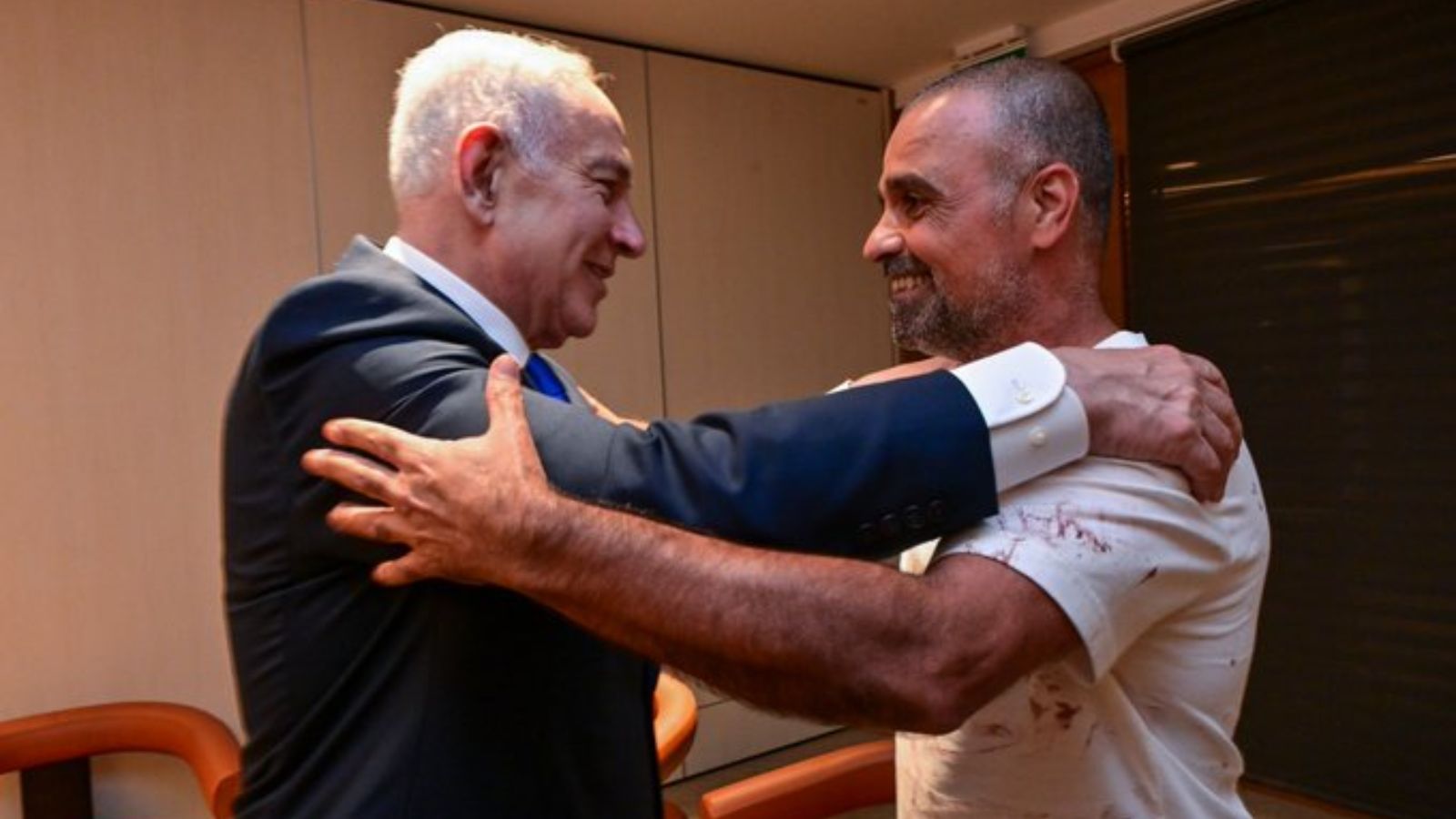
Prime Minister Benjamin Netanyahu stood before reporters, his expression tightly wound, and urged caution. He declared it “too early” to draw a direct line between the damaged aircraft and Tehran. In the high-stakes game of modern statecraft, certainty is a dangerous luxury. A premature accusation can detonate an economic corridor or ignite a full-scale regional war before the flight data recorders have even stopped spinning.
Yet, beneath that cautious diplomacy, the machinery of investigation began to grind. Israel signaled it was possibly joining the international probe, eager to examine the physical evidence left on the aircraft's skin. Was it stray shrapnel from a surface-to-air missile test? Was it a malfunction of regional air defense systems operating on hair-trigger alerts? Or was it something deliberate, a calculated message sent through the civilian airspace?
To understand why this incident matters far beyond the insurance claims and airline safety boards, you have to look at the invisible architecture of global travel.
Commercial aviation is built entirely on trust. We step into pressurized aluminum cylinders operated by strangers, trusting that the people in the cockpit have trained for the worst, and trusting that the nations below us have agreed on a fundamental, unwritten compact: civilian airliners are off-limits. They are sacred vessels of commerce and human connection. When a missile or an unexplained projectile violates that compact, the shockwaves ripple through every ticket counter on earth.
Consider what happens when that trust fractures.
Airlines reroute. Flight paths stretch by hundreds of miles, burning millions of extra gallons of fuel. Ticket prices climb. Families separated by borders find themselves priced out of reunions because the sky above them has become a shooting gallery. The flydubai incident is not merely a local aviation mishap; it is a symptom of a nervous system under chronic, violent strain.
When state leaders hesitate to point fingers, it is rarely out of cowardice. It is out of sheer terror of the alternative. If Tehran’s proxies or military apparatus are proven to have triggered the strike—even by accident, in the fog of a tense regional standoff—the diplomatic fallout would be immediate and unforgiving. We have seen this movie before. In 2020, Flight PS752 was shot down over Tehran, an atrocity born of trigger-happy panic during a missile exchange. The ghost of that tragedy hangs over every investigator examining the metal fatigue and blast marks on this latest aircraft.
History teaches us that airspace is the most fragile border of all. It has no fences, no checkpoints, and no walls. It relies entirely on radio frequencies and international law. When those fail, the silence between pilot and tower becomes deafening.
Night falls over the tarmac now. The injured aircraft sits in a restricted hangar, surrounded by technicians in white coats and men in dark suits with clipboards. They run their fingers along scorched aluminum, searching for the microscopic signatures of high explosives or kinetic impact. They measure entry holes. They analyze radar tracks.
Somewhere above them, another flydubai jet cuts through the dark, carrying three hundred souls who believe the sky is still safe.
The passengers cannot see the politicians debating the phrasing of a press release. They cannot see the radar operators staring at green blips with white-knuckled intensity. They only see the lights of the runway rising up to meet them, longing for the moment the wheels finally touch the solid, forgiving earth.