The air in an automotive assembly plant possesses a distinct weight. It smells of scorched weld tips, stamping lubricant, and the faint, sweet tang of freshly sprayed clear coat. For generations of workers along the Detroit-Windsor border, that smell meant security. It meant a mortgage paid, a hockey tournament funded, a life built on the predictable rhythm of steel moving down a line.
But predictability vanished.
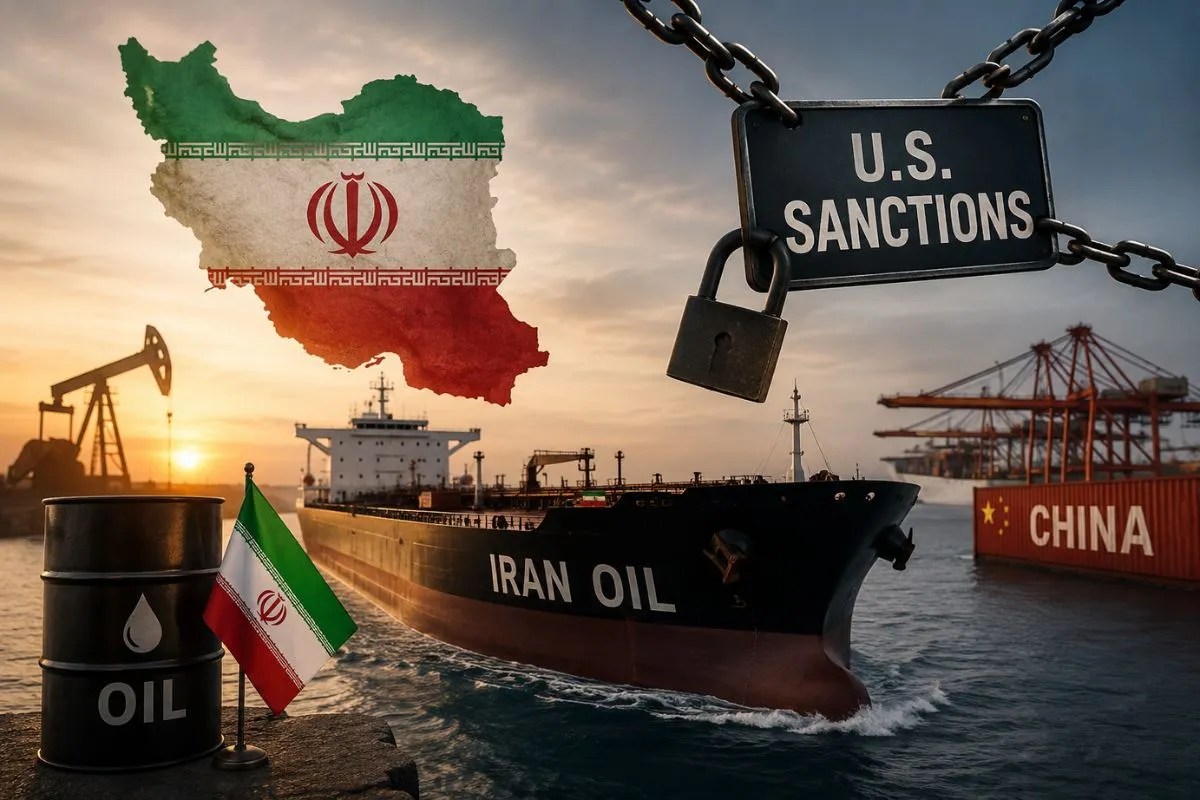
When global supply chains fractured and Washington began erecting economic walls, the anxiety in these border towns became palpable. Everyone knew the underlying tension. Washington wanted to shut out Beijing. Beijing wanted to flood the world with cheap electric vehicles. And Ottawa was caught directly in the crosshairs, trying to protect its own industrial heartland without alienating its massive southern neighbor.
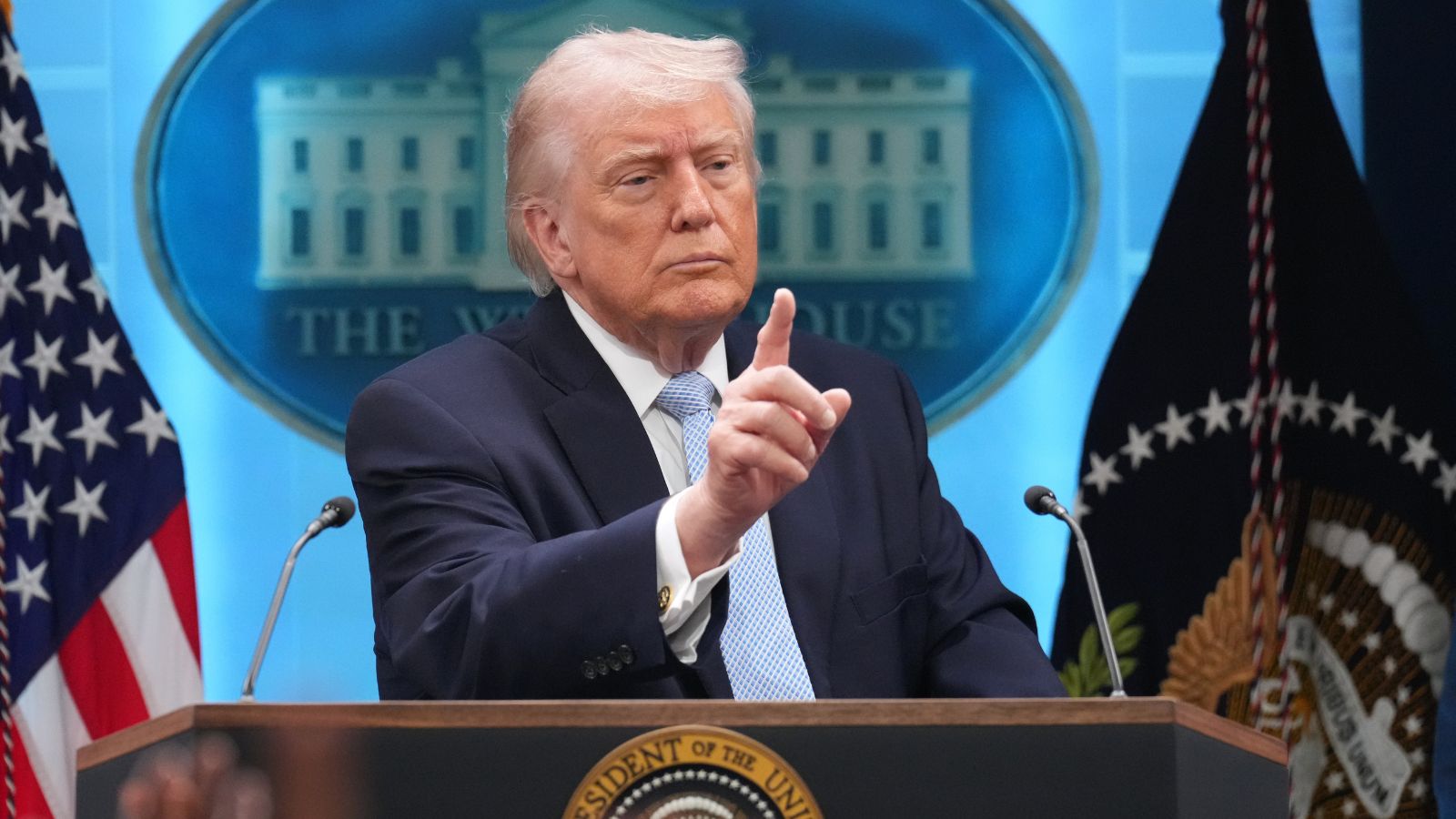
Then came an unexpected twist in the geopolitical theater. Mark Carney, stepping into the glaring spotlight as Canada’s Prime Minister, revealed a piece of diplomatic poker that caught the financial world completely off guard. Donald Trump, a man who built his political brand on tearing up trade agreements, actually approved of Canada’s strategy. Specifically, Trump liked the exact architecture of Canada’s recent automotive arrangement with China.
To understand why this matters, we have to look past the sterile headlines of financial tickers. We have to look at the assembly lines themselves.
The Ghost in the Supply Chain
Consider a hypothetical autoworker named Jim. Jim has spent twenty-two years securing door panels at a plant in Ontario. He doesn't read international trade briefs over his morning coffee. He doesn't need to. He feels the shifting winds of global economics in the overtime hours that suddenly dry up, or the sudden influx of foreign-made components stacking up on the loading docks.
For years, Jim and his peers watched the rise of Chinese automotive manufacturing with a sense of quiet dread. The math was simple, brutal, and entirely uneven. State-subsidized factories overseas could churn out electric vehicle batteries at a fraction of the cost of North American operations. If those vehicles flooded the market, local factories would go dark.
The standard response from western governments had been blunt instruments. Tariffs. Walls. Total blockades. But Canada chose a different, far more intricate path. Instead of a simple wall, they built a filter.
Canada’s strategy did not just slap a blind tax on Chinese imports. Instead, Ottawa created a regulatory framework that forced a choice. If foreign entities wanted access to the lucrative Canadian market, they had to embed themselves within the existing North American ecosystem. They had to use local labor, source specific percentages of regional materials, and play by a strict set of rules that protected the domestic workforce.
It was a complex legal mechanism. It was an economic straightjacket wrapped in an invitation.
The Unlikely Critic
When news of this deal first leaked, critics predicted disaster. The conventional wisdom whispered that Washington would view any arrangement between Ottawa and Beijing as a betrayal, a backdoor for Chinese economic influence into the North American continent.
The stakes could not have been higher. If the United States decided to penalize Canada for its stance, the entire integrated automotive sector would collapse overnight. A single bumper crosses the US-Canada border up to seven times during its manufacture. A disruption at the border means immediate paralysis for factories from Ontario to Ohio.
But then the calculation changed.
Carney’s revelation about Trump’s reaction sent shockwaves through policy circles. Trump did not condemn the deal. He admired its structure.
Why would a leader known for his aggressive "America First" isolationism smile upon a Canadian trade agreement with China? The answer lies in the mechanics of power. The structure Canada designed did something that raw tariffs could never achieve alone. It forced foreign capital to capitulate to domestic oversight. It stripped away the unfair advantages of overseas state subsidies by forcing those companies to build under the strict, high-wage conditions of North American factories.
Trump recognized that this framework achieved his own goals through a different set of gears. It protected the continent's industrial base without triggering an immediate, chaotic supply shock that would leave consumers furious and dealerships empty.
The Complexity of the Deal
This is where the subject gets difficult for the average observer to stomach. It requires admitting that international trade is never a simple story of heroes and villains. It is a messy, gray world of compromise.
The Canadian framework operates on a strict system of rules of origin and wage-rate quotas. To illustrate how this works, think of it as a strict country club. You can bring your equipment to the course, but you have to hire the local caddies, pay them the club-mandated rate, and buy your golf balls from the pro shop. If you try to bring in outside goods under the table, the fines are so severe that the game is no longer worth playing.
This structure ensures that even if Chinese automotive technology enters the geographic orbit of North America, it cannot do so by undercutting the human beings who assemble the cars. It forces an equalization of the playing field.
Carney’s ability to sell this structure to a deeply skeptical Washington administration signals a massive shift in how the continent will handle the clean energy transition. It proves that economic survival in the modern era requires sophisticated engineering, not just loud rhetoric.
The Weight on the Line
Back on the factory floor, the abstract language of prime ministers and presidents translates into tangible reality. For workers like Jim, the news offers a brief, hard-earned breath of relief. It means the plant might stay open for another cycle. It means the investment in electric vehicle retooling might actually bear fruit.
But the anxiety never completely dissipates. The global economy is shifting too fast for anyone to feel entirely secure. Today's approved structure can become tomorrow's political ammunition. The deal with China is a tightrope walk across a canyon of geopolitical hostility, and Canada is balancing on a wire thin enough to cut.
The real test will not be found in the polite statements issued to financial news outlets or the shared agreements of political leaders. The real test will be measured in the volume of freight trucks crossing the Ambassador Bridge every morning at dawn. It will be found in the steady, rhythmic hum of the stamping presses, beating like a heavy heart in the dark, keeping an entire community alive.