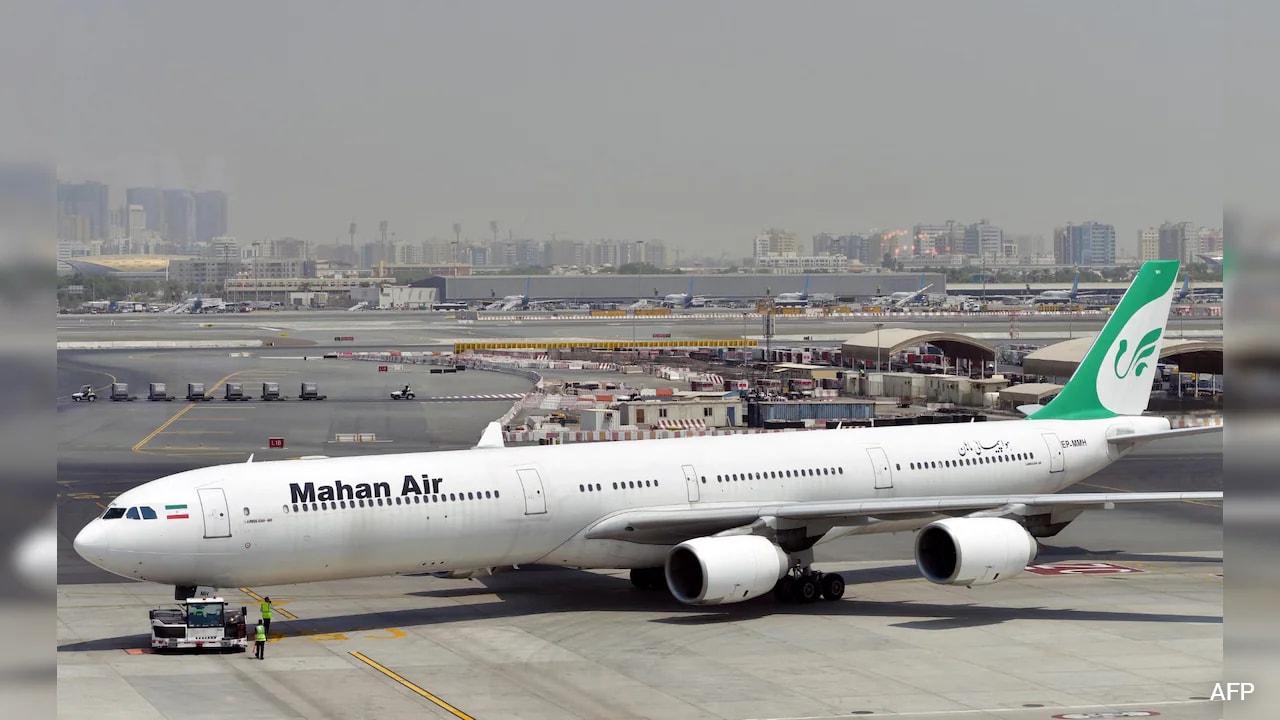
U.S. secondary sanctions deployed by the Treasury Department have effectively crippled commercial aviation operations for Iranian carriers across international borders. By threatening foreign ground handlers, fuel suppliers, and ticketing agents with expulsion from the U.S. dollar financial system, Washington has triggered a cascading collapse of foreign routes for airlines like Mahan Air, Iran Air, and their domestic counterparts. Passengers holding tickets across the Middle East, Central Asia, and parts of Europe now face sudden cancellations, stranded itineraries, and a rapidly shrinking network of legal connectivity.
Sanctions usually operate with the slow grind of bureaucratic friction. You cannot buy a new aircraft directly from Western manufacturers. You cannot purchase certified replacement engines or avionics components. Over decades, fleets quietly age into obsolescence as maintenance logs grow thin and grounded airframes are cannibalized for spare parts.
Yet the strategy deployed by U.S. financial authorities introduced a far blunter and faster mechanism. Instead of waiting twenty years for a fleet to rot from within, regulators targeted the absolute necessities of flight operations outside Iranian airspace. The directive was unambiguous. Any airport, handling agent, or petroleum supplier providing services to a blacklisted Iranian aircraft would face immediate exclusion from American correspondent banking networks.
For any commercial aviation entity operating globally, the choice is mathematically straightforward. A ground handler in Istanbul, Baghdad, or Dubai might value the revenue from servicing an Iranian airliner, but that revenue represents a rounding error compared to the existential risk of losing access to dollar-denominated transactions. One option offers modest marginal profit. The other option shuts down the business entirely. Predictably, the handlers chose survival. The aircraft stayed parked. The boarding gates locked.
The Mechanics of Dollar Dominance
To understand why a warning from Washington can instantly halt a commercial flight on the tarmac of a foreign airport, one must examine the plumbing of global finance. International aviation is entirely dependent on the U.S. dollar. Aircraft leases, reinsurance pools, jet fuel purchasing contracts, and clearinghouse transactions are routed through New York correspondent banks.
When the Office of Foreign Assets Control designates an entire sector, such as Iran's commercial aviation industry, under executive authorities, it does not merely penalize the primary target. It activates secondary sanctions architecture. This legal instrument treats any foreign entity that does material business with a designated Iranian airline as an accomplice to sanctions evasion.
The enforcement mechanism does not require a single missile or naval blockade. It relies on the absolute supremacy of the American financial clearing apparatus. If a fueling company in a neutral transit hub decides to pump thousands of gallons of Jet-A into an Iranian widebody aircraft, and that fueling company uses international banking channels that touch U.S. financial institutions, federal regulators can freeze its accounts and bar its executives from the global banking system.
Faced with this regulatory sword of Damocles, corporate risk officers across the globe acted with swift ruthlessness. Ground handling contracts were canceled via email before the ink on the Treasury announcement had even dried. Airport authorities issued emergency directives prohibiting blacklisted carriers from parking at jet bridges. The international operating environment evaporated not through a coordinated international treaty, but through the unilateral enforcement of financial compliance rules.
Anatomy of an Aging Fleet Under Fire
The structural vulnerability of Iran's commercial airlines is a product of decades of isolation. Long before the recent wave of blanket designations, carriers like Mahan Air and Iran Air were already operating under severe procurement handicaps. Western export controls made acquiring factory-new airframes from Airbus or Boeing an impossibility.
To maintain operations, Iranian operators built intricate clandestine supply chains. Trade data and intelligence reports indicate that these networks routinely utilized front companies and shadow brokers based in the United Arab Emirates and Oman. During previous enforcement lapses, these intermediaries successfully diverted retired widebody aircraft—such as older Boeing 777 models—through secondary ports, providing them with temporary local registrations before flying them into Tehran.
These procurement workarounds depended entirely on a fragile ecosystem of regulatory blind spots and permissive regional jurisdictions. When U.S. authorities tightened the noose around these maritime and aviation transshipment hubs, the paper trails collapsed. The physical difficulty of acquiring certified spare parts means that existing airframes are subjected to punishing wear patterns. Without access to standardized maintenance manuals, authorized software updates, and OEM-certified replacement parts, airline engineering departments are forced into a dangerous game of mechanical improvisation.
Mechanics cannibalize grounded planes for avionics units and hydraulic pumps, effectively shrinking the active fleet to keep a handful of halo routes functioning. This practice introduces latent safety risks that alarm international aviation regulators. While domestic regulators in Tehran maintain that their aircraft undergo rigorous internal safety checks, foreign civil aviation authorities grow increasingly reluctant to permit aging, unverified airframes into dense metropolitan airspaces.
Regional Shockwaves and Overland Shifts
The sudden withdrawal of Iranian carriers from international schedules sent immediate shockwaves through regional travel markets. Neighboring economies that historically relied on steady exchanges of business travelers, medical tourists, and religious pilgrims experienced abrupt logistical disruptions.
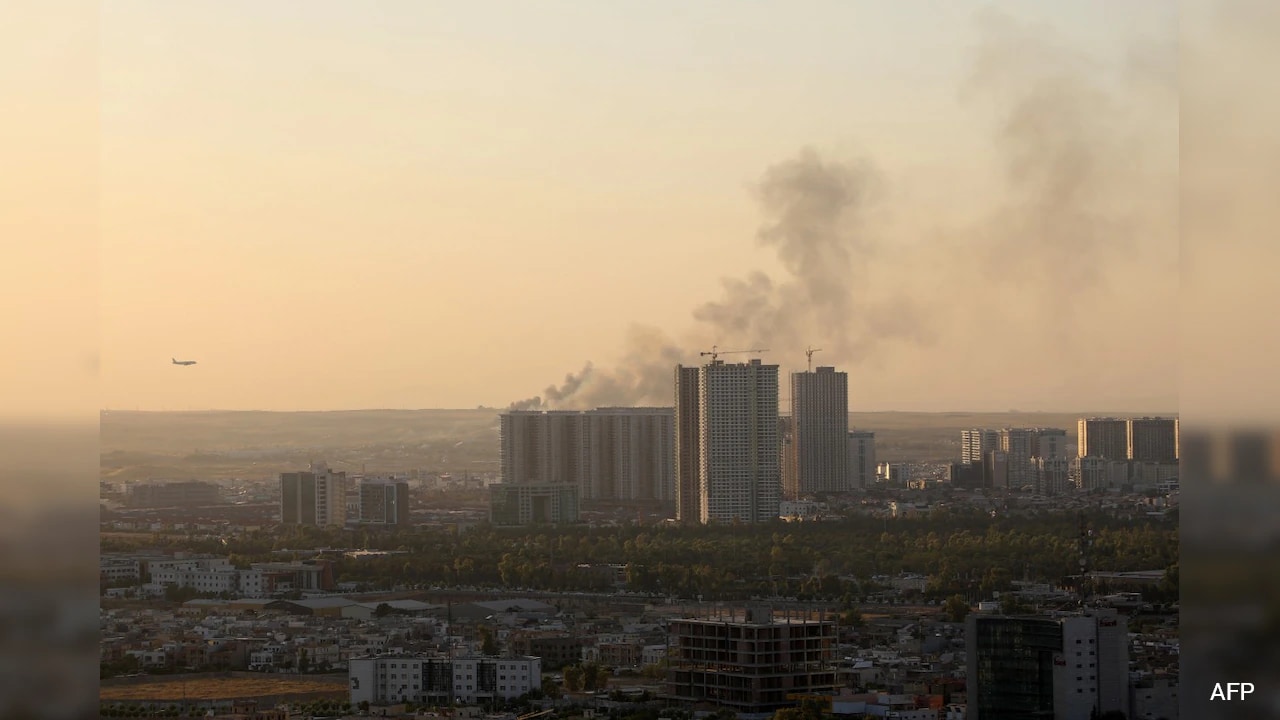
In Iraq, where air links with Iran facilitate massive flows of Shia religious pilgrims visiting holy sites in Najaf and Karbala, ground-handling companies abruptly suspended services out of fear of secondary penalties. Travel agencies that once booked seamless door-to-door itineraries found themselves scrambling to refund passengers or construct improvised alternative routes.
Faced with the evaporation of convenient air connections, travelers and commercial traders are increasingly turning to overland corridors. Roads connecting Iran to Turkey, Iraq, Armenia, and Pakistan are witnessing heavier traffic as buses, trains, and personal vehicles absorb the displaced passenger volume. However, land borders present their own friction points. Customs delays, visa restrictions, and long transit times make overland travel a poor substitute for commercial aviation, particularly for business travelers and medical patients requiring urgent transit.
Meanwhile, regional aviation hubs that previously acted as connecting bridges for Iranian travelers are reallocating gate slots and parking bays to other international carriers. Airlines from the Persian Gulf and Central Asia are moving aggressively to capture the orphaned passenger yields, absorbing the residual demand left behind by the contraction of Iranian operators.
The Limits of Enforcement and Evasion
Despite the severity of the financial restrictions, complete eradication of Iranian international connectivity remains elusive. Decades of living under comprehensive sanctions have cultivated an institutional resilience within the Iranian commercial sector. When formal banking channels close, informal hawala networks and cryptocurrency settlements step in to finance clandestine fuel purchases and minor maintenance outlays.
Furthermore, geopolitical dynamics among neighboring states create uneven enforcement landscapes. While countries with deep economic and security ties to Western financial systems enforce the sanctions rigidly, other regional actors adopt a more permissive posture, tolerating limited bilateral flights or utilizing non-dollar settlement mechanisms to insulate local businesses from direct U.S. regulatory reach.
These pockets of operational latitude prevent total isolation, allowing a thin lifeline of international flights to limp forward. Carriers connect a handful of resilient destinations, maintaining diplomatic, commercial, and familial ties with select nations willing to absorb the diplomatic friction of defying Washington's directives. Yet these remaining routes operate under a permanent cloud of uncertainty, where a single regulatory warning or diplomatic shift can instantly ground an entire flight schedule.
The Economic Cost of Isolation
The broader economic toll on Iran's aviation sector extends far beyond lost ticket sales. Airports inside Iran, most notably Imam Khomeini International Airport in Tehran, depend heavily on landing fees, passenger service charges, and international handling revenue to fund their operational overhead. As foreign carriers scale back their frequencies and domestic airlines lose their lucrative international cash cows, airport operators face severe budget shortfalls.
These financial pressures trickle down to aviation workers, pilots, air traffic controllers, and maintenance technicians. Highly skilled aerospace professionals face diminishing career prospects and stagnant wages within a shrinking domestic industry. Many experienced personnel look for opportunities abroad, fueling a brain drain that further degrades the institutional capacity of Iran's civil aviation sector.
Insurance costs present an insurmountable barrier for any remaining international ambitions. No reputable global reinsurance firm will underwrite an aircraft owned or operated by a sanctioned entity. Without comprehensive third-party liability and hull insurance, foreign civil aviation authorities have legal grounds to deny entry to any aircraft crossing their flight information regions, regardless of its mechanical airworthiness.
The New Reality of Sky-High Compliance
The restructuring of Iran's aviation ties highlights a profound shift in how modern economic conflict is waged. Traditional military blockades have been replaced by the quiet, pervasive enforcement of financial regulations. The battlefield is no longer a stretch of contested coastline or a disputed mountain pass, but the server racks of New York clearing banks and the compliance desks of multinational fuel conglomerates.
For the traveler standing in an airport terminal staring at a abruptly canceled departure board, the geopolitical abstractions translate into a very tangible stranded reality. The era of open skies for Iranian carriers has drawn to a definitive close, replaced by a rigid architecture of financial exclusion. As the remaining air routes contract and ground operations freeze, the domestic aviation sector faces a long, slow descent into isolation, sustained only by ingenuity, grit, and the dwindling resilience of an aging fleet.