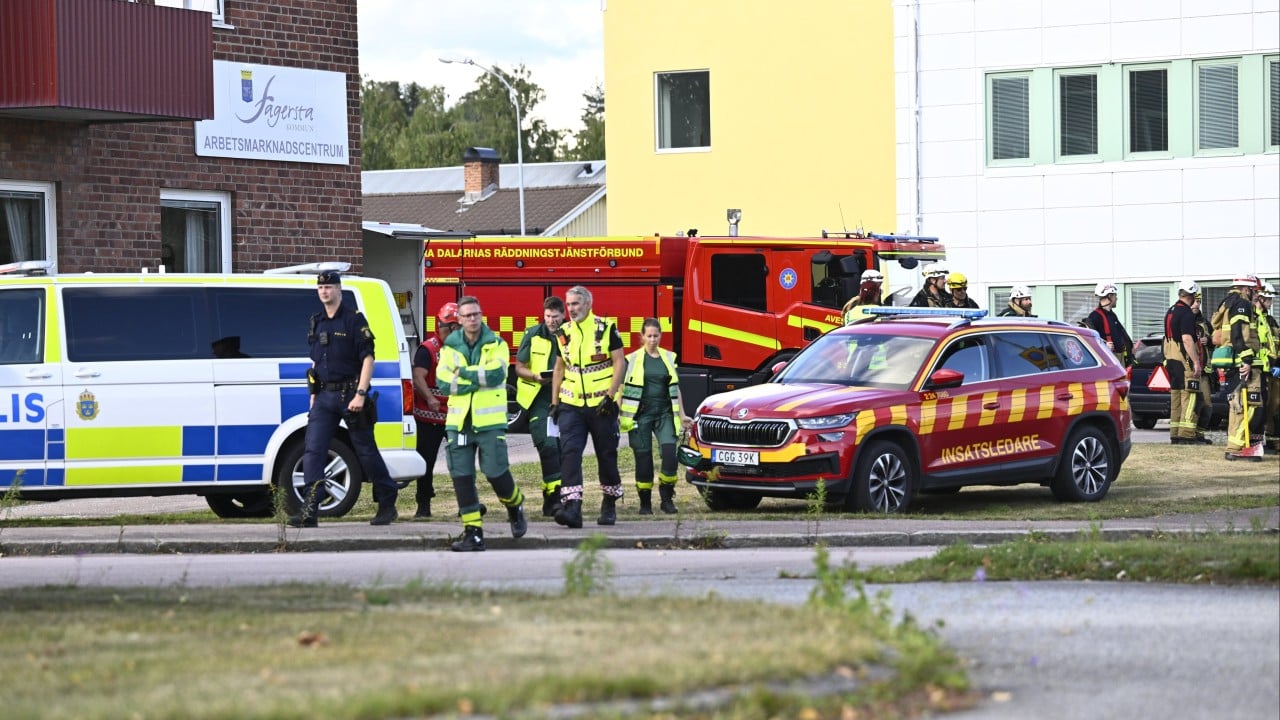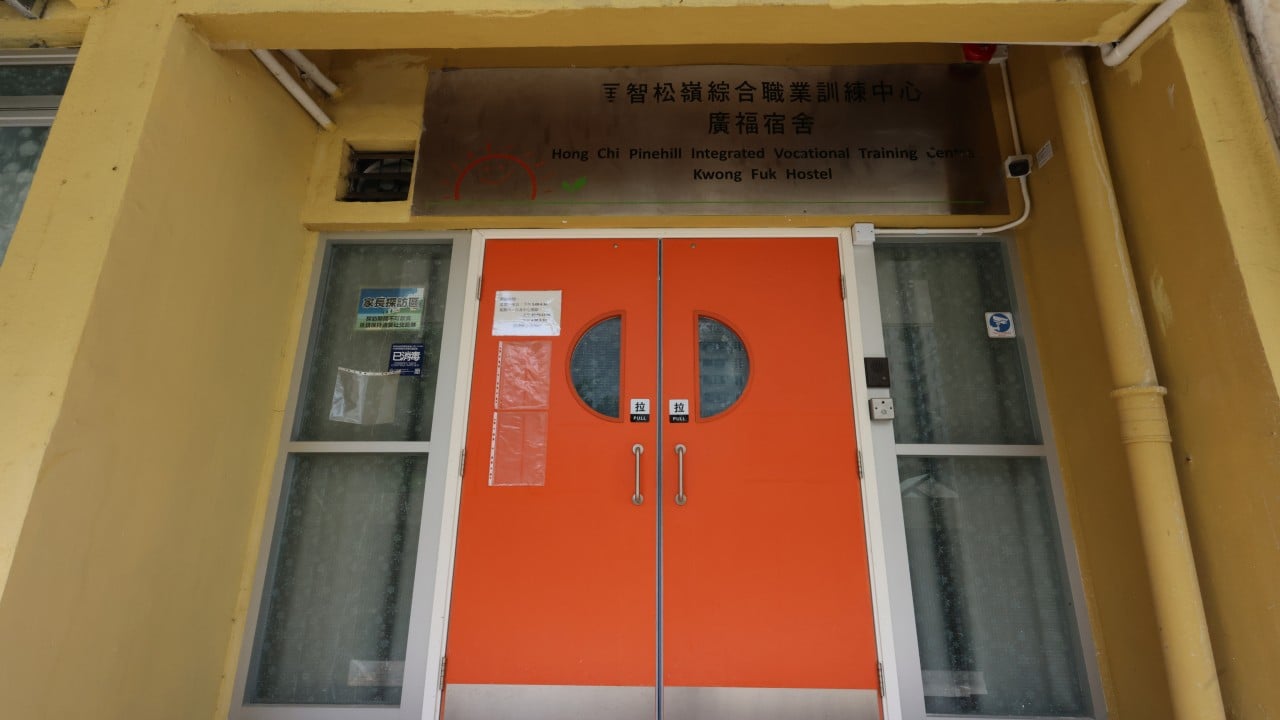
A standard weekend ritual turned into a nightmare when a young girl vanished from a peer's home during a sleepover, dragged into the dark woods before a chance encounter with a Good Samaritan saved her life. This harrowing incident exposes the uncomfortable fragility of suburban safety nets. It forces us to ask hard questions about parental trust, neighborhood surveillance, and the modern illusion of security behind locked front doors.
The Anatomy of a Sleepover Breach
Parents treat sleepovers as rites of passage. They are social milestones where children test independence within the confines of domestic normalcy. Yet the mechanics of these events often rely on social assumptions rather than operational security. When a child disappears from a residential home, the failure is rarely technological. It is structural. You might also find this similar article useful: Inside the Apollo Data Breach The Financial Sector Refuses to Talk About.
Doors left unlocked for late-arriving parents, screen doors propped open against summer heat, and lax neighborhood vigilance create silent vulnerabilities. In this specific case, an intruder crossed the threshold while adults slept. The transition from a controlled domestic environment to an open wilderness happened within minutes.
We romanticize the safety of residential neighborhoods. Statistically, strangers lurk where people least expect them because residents lower their guard. When a home becomes a permeable boundary, the traditional sleepover transforms from a childhood memory into an exposed perimeter. As highlighted in detailed reports by NBC News, the effects are notable.
When Systems Fail the First Line of Defense
Law enforcement response times matter, but community intervention matters faster. In the hours before professional search parties mobilize, the victim depends entirely on immediate surroundings. Here, a passerby walking barefoot through a ditch discovered the child miles from the point of abduction.
This relies on pure luck rather than an engineered safety architecture. We cannot build public safety models on the random presence of a vigilant walker.
The Illusion of Suburban Security
Suburbs market themselves as sanctuaries. Low crime rates breed cultural complacency. Neighborhood watch programs fade into inactive group chats. Streetlights remain unmaintained. Homeowners invest in smart doorbells that record package thieves while ignoring the physical vulnerabilities of ground-floor windows.
- Physical perimeters are routinely compromised by worn locks and flimsy screen latches.
- Social trust replaces active verification of who has access to the property.
- Emergency protocols within households during private events are virtually nonexistent.
Redefining Child Safety Beyond Locked Doors
Protecting children requires moving past the comfort of the suburban myth. Families must adopt threat-assessment strategies typically reserved for high-risk environments, adapted for domestic life. This means changing how we approach residential architecture, visitor transparency, and nighttime protocols.
Smart homes should do more than stream video to a smartphone. They must alert occupants to unlatched entry points during vulnerable hours. Furthermore, community design must account for isolated pathways and wooded fringes that abut residential yards. Urban planners often leave wooded buffers between housing tracts without adequate lighting or camera coverage, creating natural concealment corridors for predators.
The Good Samaritan Variable
The survival of the victim highlights a sobering reality. The margin between tragedy and recovery often hinges on a stranger's routine. If the pedestrian had taken a different route, the timeline of the search would have stretched past the critical window of survival.
We celebrate the heroism of individual rescuers while ignoring the systemic deficits that allowed the abduction to succeed in the first place. Relying on good Samaritans is an indictment of our collective preparedness. Until communities treat child protection as an active, daily discipline rather than a passive state of being, children remain vulnerable in the very places designed to keep them safe.