The olives were waiting. For months, under a relentless Mediterranean sun that baked the limestone hillsides of southern Lebanon to a pale, dusty bone, the fruit had swollen on the branches. They were heavy, dark, and smelling faintly of the sharp, dry earth that cradled their roots. October is the month of the press. It is the time when generations of families walk out between the terraced stone walls, plastic crates in hand, to strip the branches of an entire year's labor.
Except the trees were empty of people. If you enjoyed this piece, you should check out: this related article.
Instead, the air carried a different weight. It tasted of sulfur, pulverized concrete, and the distinct, dry metallic rasp of distant ordnance.
Down in the valleys, where the road curves past ancient olive groves toward the border town of Khiam, the silence was broken not by the rhythmic thwack of wooden poles beating the branches, but by the jagged, tearing scream of a jet engine slicing through the stratosphere. Then came the concussion. A dull, subterranean thud that rattled the windowpanes of houses already half-emptied of their life. For another look on this development, see the latest coverage from NPR.
Nine people did not make it to the evening.
That is the dry statistic, the flat digit that scrolls across a news ticker between stock quotes and weather updates. Nine. It is a number small enough to fit on a single line, yet vast enough to extinguish entire universes. Behind that single digit lie kitchens with unwashed coffee cups still sitting on linoleum tables. There are school shoes left neatly by front doors, their owners convinced they would return by dusk. There are front gates swinging open on rusted hinges, battered by the wind because no one is left to latch them.
War has a way of reducing geography to a chessboard, as if the earth were made of clean squares and distant rulers could move pawns without feeling the grit under their fingernails. But ask any farmer whose family has tended those southern slopes for four centuries, and they will tell you that the land is not a map. It is a skin. Every terrace is a scar of human sweat; every cistern is a shared memory.
Consider what happens when a single shell lands in a courtyard where a grandmother spent her mornings shelling peas. The blast does not merely shatter concrete. It vaporizes forty years of quiet routines. It scatters the photographs off the sideboard. It turns the family archive into gray dust that settles over the wild mint growing in the cracks of the flagstones.
For months, the borderlands had been holding their breath. A low-grade friction, a slow-bleed war of attrition, had turned the border into a ghost zone. Schools were shuttered. The bakeries operated on erratic schedules, firing up their stone ovens only when the morning sky was clear of drones. People packed suitcases and put them in the trunks of their sedans, leaving them there, ready to turn the ignition at the first sign of smoke rolling over the ridge.
Many did not leave because leaving means becoming a ghost twice over. To abandon your home in Lebanon right now is to step into an uncertain labyrinth of crowded schools turned into makeshift shelters in Beirut, sleeping on gym mats, watching your children forget the sound of the wind in the pines, replacing it with the roar of city traffic and sirens. Staying was a gamble with fate. Leaving was a guarantee of displacement.
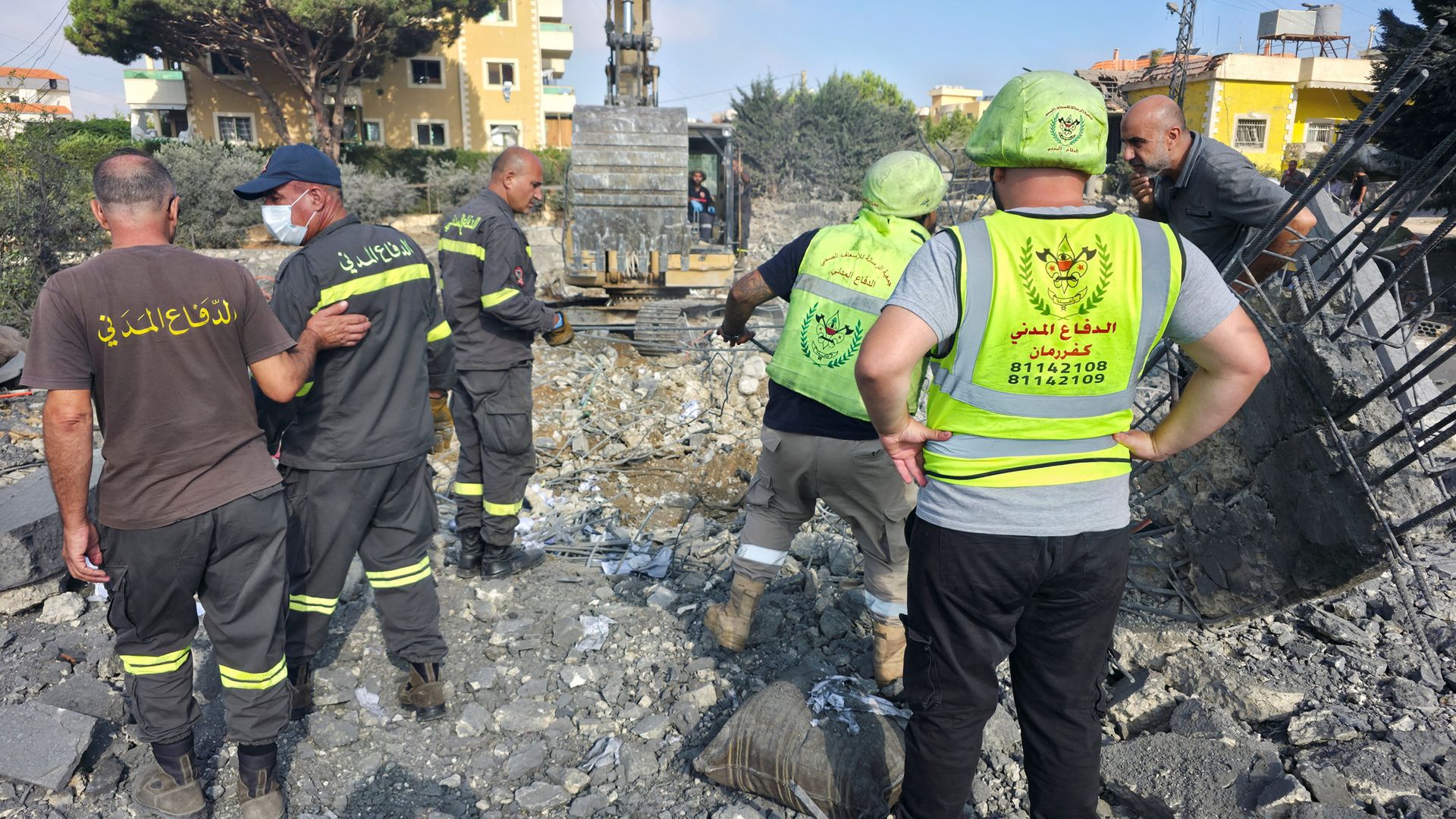
When the strikes hit that afternoon, they did not fall on military bunkers or secret command posts. They fell where life was stubbornly trying to persist. A municipal building where local coordinators were trying to organize water delivery. A small residential home where a family had gathered because thick stone walls offered a psychological comfort against the whistling terror overhead.
The smoke rose in thick, greasy pillars, blotting out the late afternoon sun. It cast long, bruised shadows across the valley.
In times like these, language fails. Politicians on all sides reach for their well-worn lexicons of retaliation, deterrence, and strategic necessity. They speak of targets neutralized and rules of engagement respected. They use clean, bloodless nouns that bounce off the reality of the ground like rubber bullets.
Listen instead to the sound of an empty street in southern Lebanon. Listen to the wind whistling through the abandoned laundry still hanging on a balcony, fluttering uselessly against the empty air. Listen to the absolute quiet that follows an explosion—the terrifying split-second where even the birds stop singing, waiting to see if a second shoe will drop.
The nine lives cut short on that Tuesday were not collateral damage. They were the center of gravity for families who now have to figure out how to bury their dead while the very ground beneath the cemetery remains a target. They were daughters, fathers, shopkeepers, and dreamers who believed that tomorrow would look vaguely like yesterday.
The olives will rot on the branches this year. The oil will never be pressed. The stone presses in the village square will stay cold, their heavy iron gears locking up with rust.
Up on the hill, past the shattered walls and the cratered asphalt, a single stray cat picks its way delicately across a pile of rubble, pausing to sniff the air. The sky above is a brilliant, mocking blue, entirely indifferent to the wreckage below, continuing its slow, majestic arc toward the gathering dark.


