The air in the control room always smells of stale coffee, ozone, and a very particular kind of metallic fear.
Imagine, if you will, sitting in a dim bunker five hundred miles from the front lines, staring at a wall of glowing monitors where a cluster of red blips represents a refinery complex the size of a small city. To the accountants in London or New York, that facility is a spreadsheet cell generating steady quarterly yields. To the engineers who spent thirty years laying its pipework, it is a cathedral of steel and fire that turns raw earth into the lifeblood of modern civilization. If you liked this piece, you should read: this related article.
Then, the blips go dark.
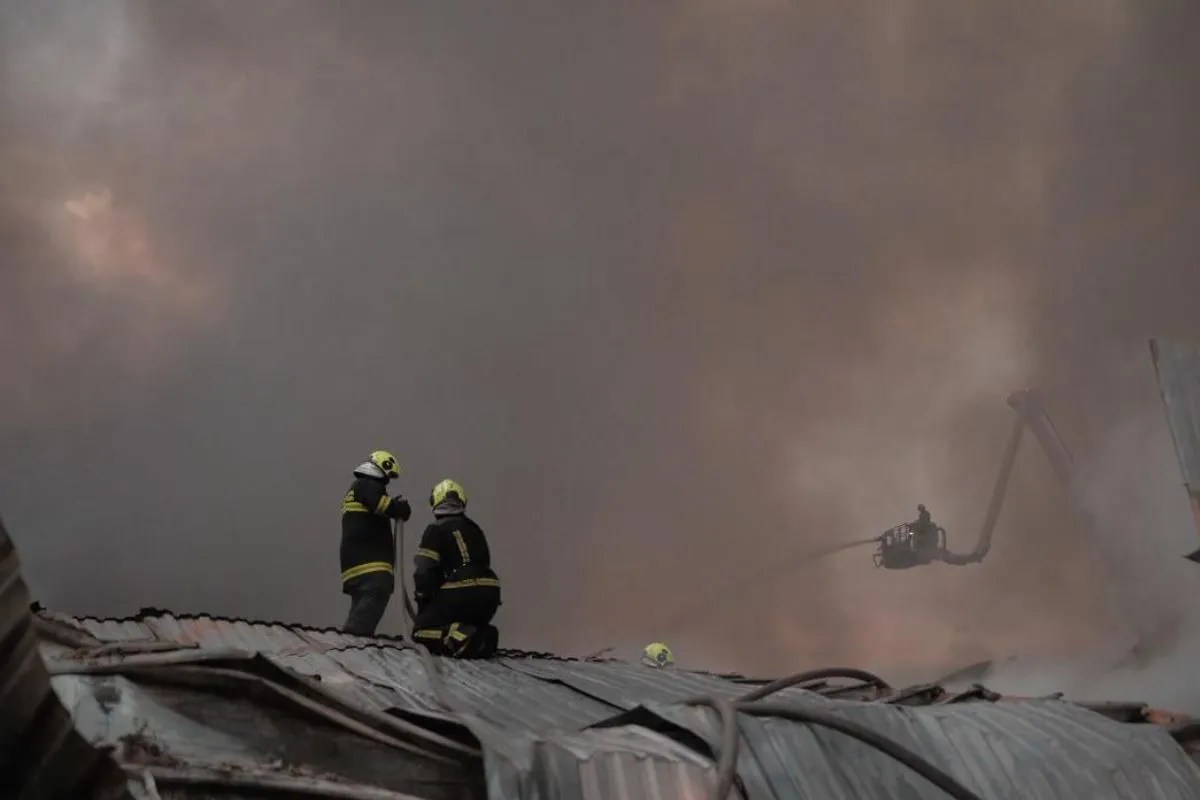
Over the span of just thirty days, twelve of those sprawling industrial giants across Russia absorbed coordinated, surgical drone strikes. These were not random hits. They were precise, calculated punctures to the cardiovascular system of a petrostate. And while the explosions echoed across the Eurasian steppe, the shockwaves traveled instantly through fiber-optic cables to trading floors thousands of miles away, finally drawing a grim warning from the United States Treasury Department: a global energy shock is no longer a distant theoretical threat. It is parked right outside our door, idling its engine. For another look on this story, refer to the recent coverage from Forbes.
We have gotten entirely too comfortable with the invisibility of our energy. When you twist your thermostat or pump fuel into your sedan on a rainy Tuesday morning, you rarely pause to consider the fragile, interconnected web of pressure valves, cracking towers, and tanker routes keeping your world warm and mobile. That illusion of permanence is shattering.
To understand why twelve burning refineries can tilt the global economy on its axis, we have to look past the political posturing and examine the plumbing.
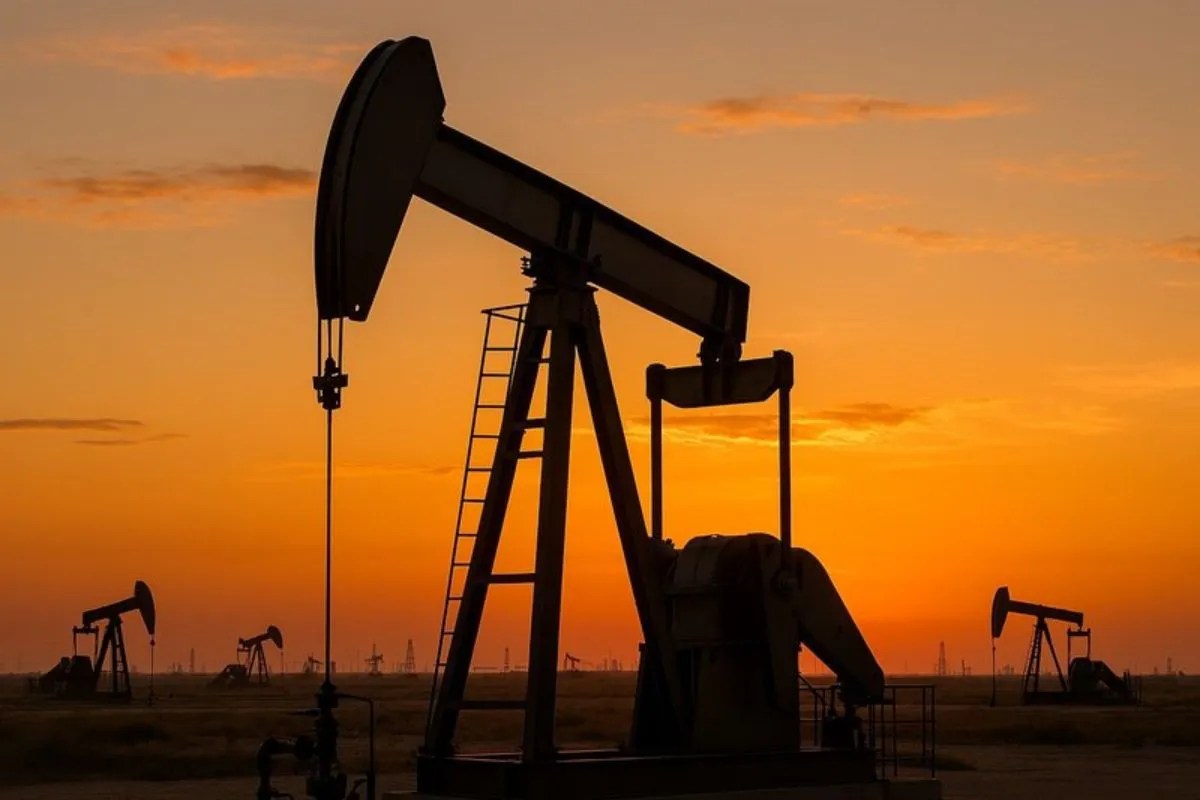
Crude oil is crude for a reason. It is a thick, dark, noxious cocktail that is largely useless in your car's engine or an airliner's turbine until it undergoes a violent transformation inside a refinery. Think of a refinery as a massive, high-pressure kitchen where heavy petroleum is boiled, separated, and chemically rearranged into gasoline, diesel, kerosene, and heating oil. You cannot simply scoop crude out of the ground and pour it into a tractor. It requires processing.
When Ukraine systematically targeted a dozen of these processing hubs within a single month, they bypassed the crude extraction fields entirely. They went straight for the bottleneck. By hitting the facilities that turn raw oil into finished products, they effectively created a localized drought of refined fuel inside the aggressor nation, forcing Moscow to scramble, ban exports, and re-route supplies just to keep its own tractors plowing fields and its own tanks rolling toward the trenches.
But oil is a global commodity. It swims in a single, massive, interconnected pool.
When a major refiner exits the market or loses capacity, the ripples do not respect borders. Refined products—especially diesel—become scarce. Prices spike at the local pump in Munich, in Seoul, and eventually in Chicago.
This is where the warning from the U.S. Treasury Department cuts through the noise. Treasury officials are not prone to dramatic hyperbole; their job is to look at liquidity, supply chains, and inflation metrics with cold, unblinking realism. When they voice concern over an impending energy shock, they are tracking the math of scarcity. If Russian refined products are choked off from international markets, global supply tightens. Tight supply means higher prices for every barrel of oil traded on earth. Higher prices mean shipping costs skyrocket, manufacturing overhead climbs, and the cost of every single item on a grocery store shelf creeps upward.
It is a cruel, invisible tax levied on every household on the planet.
Consider the ordinary commuter in a mid-sized American town who watches gas prices jump fifty cents in a week. That person has never heard of the specific cracking units in Ryazan or Nizhny Novgorod. They do not know the geography of the Volga-Ural oil basin. Yet, their family budget is directly dictated by the altitude and accuracy of a drone flying low over a Russian industrial skyline in the dead of night.
This is the terrifying intimacy of the modern global economy. We are all tethered to the same invisible machinery.
For decades, the conventional wisdom of geopolitical analysts was that energy superpowers were immune to internal disruption. We assumed that vast reserves of oil in the earth equated to permanent invulnerability. But technology has democratized destruction. Inexpensive, commercially available drone components, guided by sophisticated software, have punched above their weight class, neutralizing billion-dollar industrial infrastructure with the cost of a luxury sedan.
The strategy behind these strikes reveals a brutal evolution in modern warfare. Total economic attrition has replaced traditional territorial conquest. You do not need to capture a city if you can freeze its economy. You do not need to defeat an army in the field if you can drain the fuel from its motor pool and bankrupt the treasury that pays for its ammunition.
Yet, strategy in war rarely comes without collateral damage, and the collateral here is the stability of the global middle class.
As winter approaches or summer cooling demands peak, the margin for error in global energy markets shrinks to zero. A single unexpected outage—be it a refinery fire, a hurricane in the Gulf of Mexico, or another drone strike—can tip a fragile market into a full-blown panic. Energy traders live in a state of perpetual hyper-vigilance, watching satellite imagery for smoke plumes the way ancient mariners watched the horizon for gathering storms.
We are standing at a peculiar crossroads in human history. On one side is the relentless march of technological innovation, making tools of surveillance and destruction cheaper and more accessible. On the other side is our collective dependence on sprawling, centralized systems of energy that remain remarkably vulnerable to disruption.
The smoke rising from those twelve refineries should serve as more than just a footnote in an evening newscast. It is a flare illuminating the fragility of our daily lives, reminding us that the comfort of our modern existence rests entirely upon a fragile, burning bridge. And right now, someone is walking across it with a match.