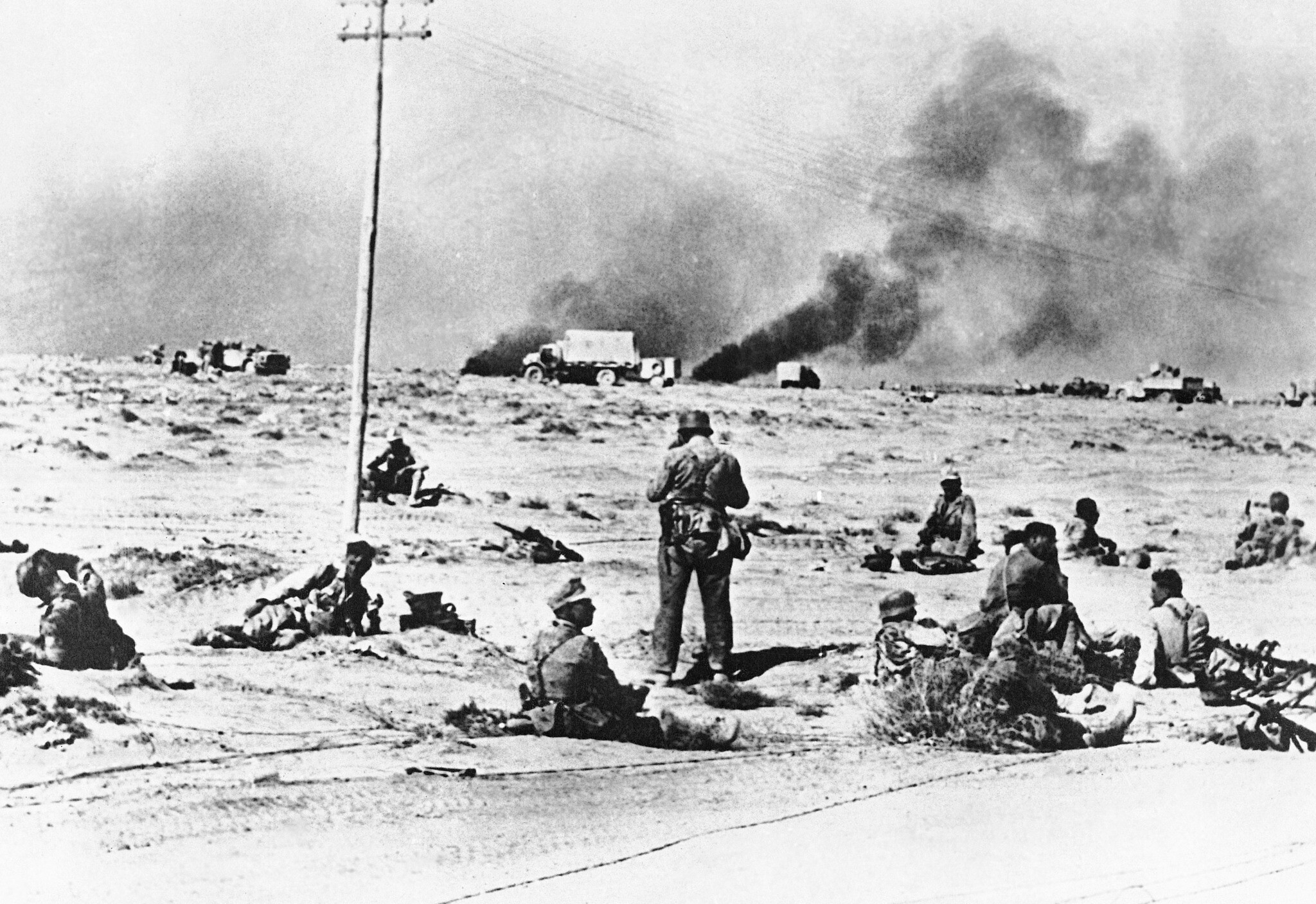
The coffee grows cold on the tin table while the morning air still carries the sharp, copper scent of burnt diesel and ruined metal. Down in the valley, where the date palms usually cast long, peaceful shadows across the dust, a low rumble vibrates through the earth. It is not an earthquake. It is the rhythmic, mechanical pulse of an escalation long in the making—a reminder that in this jagged corner of the Arabian Peninsula, the boundary between fragile quiet and sudden catastrophe is measured in seconds.
For years, the headlines have flattened a human tragedy into a sterile ticker tape of geopolitical shorthand. We read of coalition airstrikes, intercepted projectiles, and distant cross-border skirmishes as if they were weather reports from another planet. But behind the cold declarations of diplomatic resolve and the official warnings delivered from polished podiums lies a starker, heavier reality. When power meets provocation, the immediate aftermath is rarely felt in marble-columned halls. It is felt in the dust kicked up by frantic boots, the sudden panic of families watching the eastern sky turn orange at twilight, and the exhausting, daily endurance of people trapped in the crossfire of unyielding wills.
Consider the baseline mathematics of modern retaliation. When a state vows to respond firmly to a barrage of incoming aerial threats, the phrase sounds clean on television. It implies precision, proportion, and sovereign authority. On the ground, however, firmness is a messy, deafening business. It means interceptor batteries tearing through the stratosphere with a roar that rattles windowpanes miles away. It means air defense radar screens glowing with amber warnings, and military planners weighing the cost of silence against the unpredictable fallout of a counterstrike.
To understand why this latest cycle of tension matters, we have to look past the immediate flashpoint of Houthi drone and missile launches targeting Saudi infrastructure. We have to look at the psychological weight carried by communities living beneath the flight paths. Imagine waking up night after night to the high-pitched whine of air raid sirens—a sound that strips away the illusion of safety and turns every bedroom ceiling into a question mark. This is the invisible tax of protracted conflict. It wears down the collective nerve of a nation, turning ordinary citizens into reluctant meteorologists of incoming danger, scanning the horizon not for rain, but for smoke trails.
The Kingdom’s leadership has drawn a hard red line, signaling that further provocations will meet a decisive military answer. On paper, this is standard deterrence theory. If you strike us, we will strike back harder to break your will and degrade your capability. Yet, anyone who has studied the protracted chess match in Yemen and its southern borders knows that deterrence is a notoriously fickle beast. Force often begets counter-force in an escalating spiral that threatens to consume whatever fragile diplomatic openings managed to survive the previous season of violence.
To grasp the mechanics of this friction, think of a fault line under constant pressure. Every drone intercepted over Khamis Mushait or Jazan is a localized seismic tremor. Each successful interception prevents immediate tragedy, yet the debris—heavy, burning fragments of carbon fiber and circuitry—falls back down like deadly rain onto civilian farmland or empty desert. The physical damage is often repaired in days, but the strategic erosion of trust takes generations to rebuild.
Diplomats in Geneva and Muscat work behind closed doors, drafting peace frameworks while the cannons roar outside. They speak of confidence-building measures, humanitarian corridors, and inclusive political transitions. But peace is terribly difficult to negotiate when the air smells of cordite and both sides believe that showing restraint is a fatal sign of weakness. The Houthi movement, battle-hardened by years of isolation and relentless aerial campaigns, views defiant cross-border strikes as a strategic lever to force concessions at the bargaining table. Meanwhile, Riyadh views those same strikes as an intolerable violation of sovereignty that demands an iron-fisted rebuke.
In this grim standoff, the ordinary civilian is reduced to a bystander holding their breath.
Step back for a moment and look at the broader tapestry of the region. The security architecture of the Middle East is undergoing a nervous, highly volatile realignment. Old animosities are being re-evaluated; unexpected channels of communication are cautiously opened. Yet, every time a missile arcs across the southern border, the clock is reset. The lingering smoke obscures the path forward, reminding everyone involved that regional stability cannot be built on temporary truces while the underlying grievances remain unaddressed.
When officials promise a firm response, they are speaking to multiple audiences at once. They are signaling domestic resolve to a population that expects protection. They are warning regional adversaries that patience has a hard ceiling. And they are signaling to international allies—who are increasingly weary of endless Middle Eastern entanglements—that the Kingdom retains both the will and the capability to defend its vital economic and geographic lifelines.
Yet, true strength in a crisis of this magnitude is rarely found in the loudest escalation. It is found in the agonizingly difficult balance between protecting national borders and preventing a localized flare-up from igniting a wider regional conflagration. Every military commander knows the calculus of retaliation; fewer master the art of stepping back from the precipice before the momentum of war takes over entirely.
The sun is climbing higher now over the southern frontier, burning off the morning haze. The air defense crews stand down from high alert, wiping sweat from their brows and checking the diagnostic lights on their consoles. For the moment, the sky is clear. But everyone here knows this is only an intermission. Somewhere across the ridges, engines are being serviced, coordinates are being checked, and the next chapter of an ancient struggle is quietly being written in the dark.


