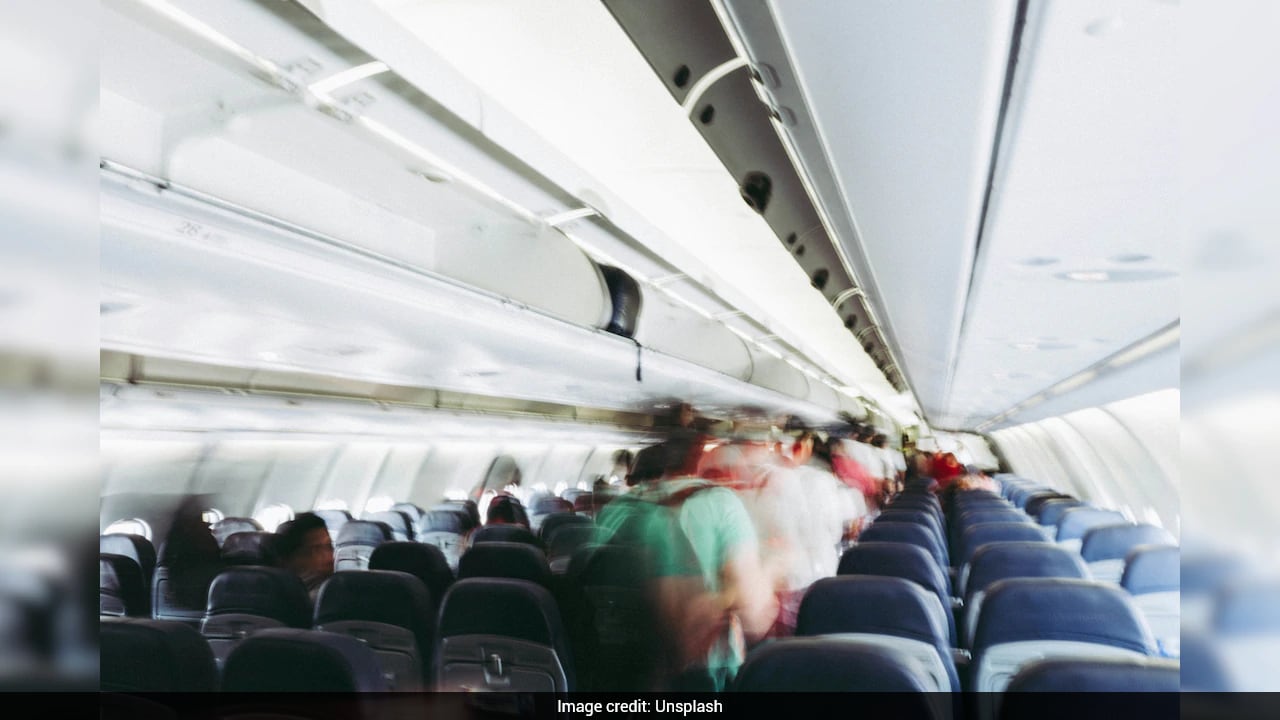
Thirty-five thousand feet. A place where gravity feels optional and time dissolves into the drone of twin jet engines. You are reading a paperback or scrolling through downloaded offline music. The cabin air is dry, smelling faintly of recirculated metallic dust and stale coffee.
Then comes the sound.
It is not a polite pop. It is a sharp, venomous hiss, followed immediately by the crackle of localized electricity gone rogue. A passenger three rows ahead jerks upward, dropping a thin aluminum rectangle as if it had turned into a live ember. Within seconds, a white, acrid plume billows toward the overhead reading lights. Panic does not arrive in slow motion. It hits like a physical blow. The air thickens with the chemical stench of lithium ion combustion, a smell that clings to the back of the throat like sulfur. Five people are burned before the smoke is beaten back with a specialized extinguisher. Five ordinary travelers whose Tuesday afternoon flight turned into an impromptu chemistry experiment gone wrong.
We carry miniature power plants in our backpacks, our pockets, and our carry-on luggage. We treat them like harmless plastic toys. They are not toys. They are pressurized containers of volatile energy, sitting inches away from our skin.
The Anatomy of a Tiny Sun
To understand why a laptop can violently reject its own existence mid-flight, you have to look past the sleek casing and the glowing corporate logos. Inside every modern portable computer lies a lithium-ion battery. Imagine a microscopic folded sandwich of copper, aluminum, and porous plastic film, soaked in an organic liquid electrolyte.
Energy is stored by moving lithium ions back and forth across that barrier. When the system functions correctly, it is a marvel of modern engineering. When it fails, it is an uncontrolled thermal runaway.
A tiny manufacturing defect, a microscopic speck of stray metal dust floating into the cell during assembly, or a blunt drop against a terminal floor can pierce the ultra-thin separator keeping the cathode and anode apart. The moment they touch, a short circuit occurs internally.
Current rushes through that single point of contact. Heat builds exponentially. The organic liquid electrolyte begins to boil, generating gas. The internal pressure rises. Once the temperature crosses a critical threshold—usually around one hundred and thirty degrees Celsius—the chemistry takes over entirely. The battery begins to feed on its own heat. It produces its own oxygen. You cannot simply smother it. It is a chemical fire that generates the very fuel it needs to burn, turning a standard workstation into a localized blowtorch.
The Cabin Pressure Variable
Consider what happens when this invisible failure mechanism meets the unique environment of a commercial airliner.
At cruising altitude, the cabin is pressurized, but not to sea-level conditions. It mimics the atmospheric pressure of an elevation of about six to eight thousand feet. The air is thinner. The ambient pressure on the outside casing of your device drops slightly, while the chemical reactions inside the tightly sealed battery cells are generating aggressive internal pressure.
Now, introduce the physical reality of modern air travel. Overhead bins are brutally efficient games of spatial Tetris. Bags are shoved, dropped, tilted, and compressed by heavy suitcases. If a laptop is wedged tightly against a rigid metal frame in a bin, and the cabin experiences standard turbulence, sustained micro-vibrations can fatigue the internal structure of the battery pack.
The margin for error is razor-thin. We rely on safety circuits, thermal fuses, and electronic management systems to keep the beast caged. But electronics fail. Software glitches happen. And when a battery is compromised before boarding, the cruising altitude acts as an accelerator for disaster.
The Human Cost of Convenience
Flight attendants train for fires. They run drills in darkened mock-ups filled with theatrical smoke. They know the location of the Halon extinguishers and the thick thermal gloves designed to handle burning debris.
Yet, training rarely prepares you for the sheer psychological shock of a passenger screaming as molten plastic drips onto cabin upholstery.
Picture Sarah, a hypothetical flight attendant with twelve years in the sky, whose experience is drawn from dozens of real-world cargo and cabin thermal incidents. She is mid-service, pushing the beverage cart past row twenty-two, when the battery detonates. Her reaction is purely reflexive. Muscle memory overrides fear. She grabs the containment bag—a heavy, fire-resistant pouch designed precisely for this nightmare—while passengers scramble onto their seats, lifting legs away from the aisle floor where toxic smoke is rapidly pooling.
The physical burns heal in weeks. The psychological imprint lasts far longer. For months afterward, the sound of a crackling plastic wrapper in a quiet room will cause a survivor to flinch. They look at their smartphones, their tablets, and their laptops not as tools of productivity, but as dormant sleeping grenades.
Changing How We Pack the Sky
Airlines and aviation authorities have tightened regulations, yet the burden ultimately rests on the individual. The solution is not to abandon technology. We cannot un-invent the tools that power our modern lives. The solution is a fundamental shift in how we respect energy density.
Power banks and spare lithium batteries are already banned from checked baggage for a specific reason: if a fire starts in the cargo hold, automated suppression systems may struggle to contain a runaway lithium reaction before it compromises the structural integrity of the aircraft. But cabin safety requires equal vigilance.
When packing a laptop, do not cram it into an overstuffed compartment where it absorbs constant mechanical stress. Power down completely before stabling—do not leave devices in high-draw sleep modes that generate continuous thermal output inside enclosed spaces. If a device begins to feel unnaturally hot to the touch while resting on your tray table, do not ignore it. Shut it down immediately, disconnect it from power sources, and alert the crew.
The metal tube hurtling through the stratosphere relies on a fragile social contract. We share the space with strangers, trusting that everyone has maintained their gear, followed the rules, and respected the invisible physics humming quietly inside their luggage.
The smoke clears long before the plane touches down. The burned seat is cleaned, the reports are filed, and the FAA logs another data point. But as the landing gear drops and the tarmac rushes up to meet the tires, the silence in the cabin is different. Everyone is checking their bags. Everyone is listening for the hiss.