A decade is an eternity in geopolitics. Ten years ago, an international tribunal in The Hague delivered a crushing legal blow to Beijing's sweeping maritime ambitions. The 2016 arbitral ruling invalidated the famous nine-dash line, declaring that China had no historic rights to the vast chunks of the South China Sea it claimed.
Beijing’s response back then was predictable. They ignored it. They called it a farce. They adopted a strict policy of non-participation. For a deeper dive into this area, we recommend: this related article.
Now, fast forward to the tenth anniversary of that landmark decision. If you think the ruling has faded into the background of history, you aren't paying attention. The tension in these waters is higher than it’s been in years. Manila is leaning heavily into its legal victory, using its role as the current ASEAN Chair to embed the ruling into regional diplomacy. Beijing is pushing back with aggressive rhetoric and literal fireworks, recently test-firing a strategic missile from a nuclear-powered submarine into the Pacific Ocean just days before the July 12 anniversary milestone.
This isn't just a war of words anymore. It’s a masterclass in how a smaller nation uses international law as a shield, and how a superpower uses military muscle to bend reality to its will. For additional information on the matter, comprehensive coverage can also be found on Associated Press.
The Diplomatic Blitz and the Submarine Flex
Manila isn't letting the anniversary pass quietly. The Philippine Department of Foreign Affairs recently declared the 2016 ruling an unassailable part of international law. Local fisherfolk even launched an 80-boat flotilla in Subic Bay, forming a massive human flag to assert their rights.
Beijing didn't take the bait quietly. Their state media slammed Manila for running a calculated diplomatic offensive meant to poison regional stability and drag outside powers into a bilateral mess.
But China's real response wasn't on a teleprompter. It was under the water.
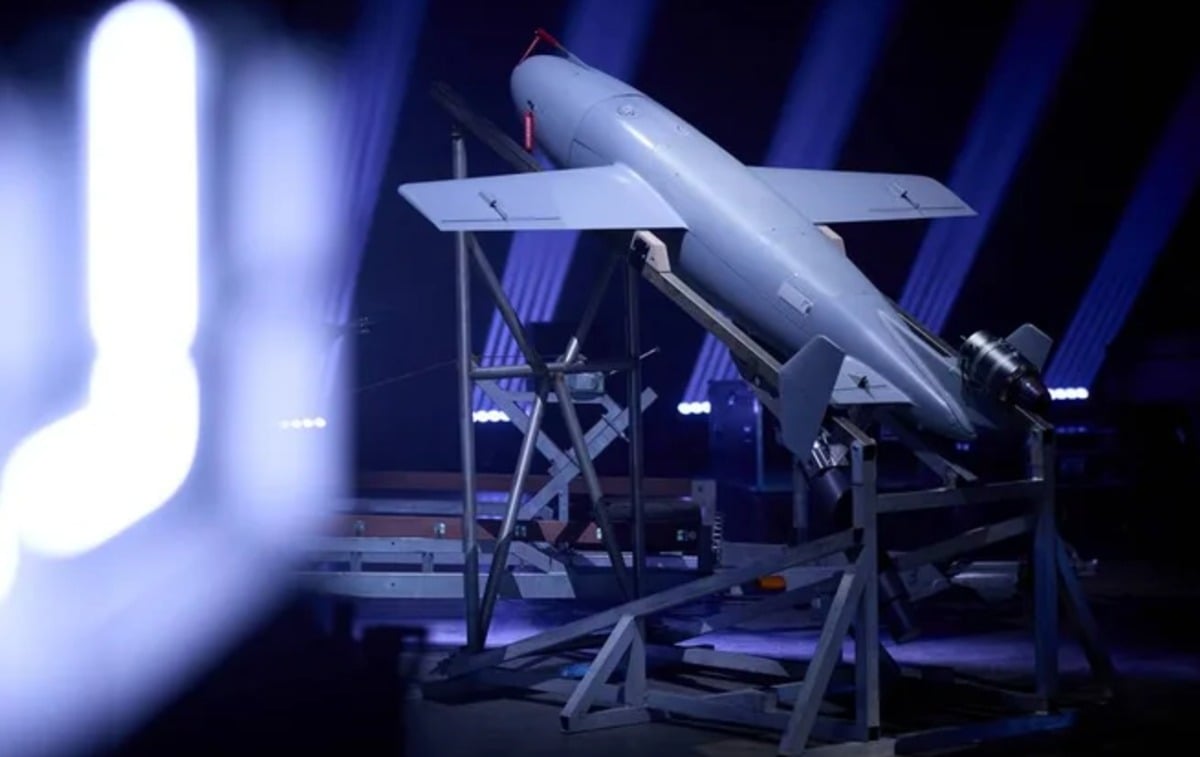
The People’s Liberation Army Navy sent a clear message by launching a strategic missile carrying a dummy warhead from a submarine. The Philippine Department of National Defense quickly branded the launch a reckless provocation and an act of intimidation.
It’s easy to see what’s happening here. Manila is using the anniversary to rally international allies. Beijing is showing those same allies that law doesn't stop a nuclear submarine.
What the 2016 Ruling Actually Did and Didn't Do
To understand why this fight is still raging, we have to clear up a massive misconception. A lot of folks think the 2016 tribunal decided who owns which island.
It didn't. International law is tricky like that.
The Permanent Court of Arbitration explicitly stated it wasn't ruling on sovereignty over rocks and reefs. It couldn't draw actual maritime borders either. What it did was define maritime entitlements under the United Nations Convention on the Law of the Sea.
- The Nine-Dash Line Got Trashed: The judges ruled that China's historic claims had zero legal footing under modern sea law.
- EEZ Clarification: It affirmed the Philippines' 200-nautical-mile Exclusive Economic Zone, meaning places like Scarborough Shoal and Mischief Reef sit squarely within Manila’s rights.
- Environmental Damaging Notes: The court found China guilty of causing massive environmental destruction through aggressive artificial island-building.
Because the ruling couldn't hand over land or deploy a UN navy to enforce the rules, skeptics called it a dead letter. For six years under the Duterte administration, the Philippines mostly shelved the victory to chase Chinese economic investments.
That strategy failed. The investments didn't show up in the ways promised, and Chinese maritime militia ships kept swarming Philippine waters anyway.
The Marcos Pivot
Everything changed when Ferdinand Marcos Jr. took power in 2022. Manila stopped playing nice. They launched an aggressive transparency campaign, inviting journalists aboard patrol boats to film Chinese coast guard ships blasting Philippine vessels with water cannons.
They also started counting friends. When Marcos took office, only eight countries publicly backed the 2016 ruling. Today, that number has jumped to over 26 nations, plus the European Union.
The Regional Chessboard
The timing of this anniversary is brutal for Beijing. The Philippines happens to hold the ASEAN Chairmanship right now. For years, ASEAN has been notoriously toothless on the South China Sea because member states have wildly different economic ties to China. Cambodia and Laos don't want to rock the boat. Vietnam and the Philippines are on the front lines.
By hosting the new ASEAN Maritime Centre in Cebu, Manila is trying to turn a bilateral headache into a regional priority. They want a legally binding Code of Conduct that actually holds Beijing accountable.
Will it work? Honestly, it’s an uphill battle. China prefers dealing with nations one-on-one where it holds all the economic leverage. A unified ASEAN is Beijing's worst nightmare, which is exactly why they are slamming Manila's latest legal push so hard.
Where Does Manila Go from Here?
Power politics usually trumps international law in the short term, but law acts as a slow, steady constraint on power. Beijing hates looking like an outlaw on the global stage, even if they'll never admit it.
If you are following this dispute, expect the Philippines to push for a second round of arbitration. Legal experts are already mapping out the next moves. The most likely path is filing a new case under UNCLOS focusing strictly on the massive environmental damage caused by China's coral reef destruction and overfishing.
Another option is bypassing the deadlocked UN Security Council and taking the issue directly to the UN General Assembly to secure a non-binding but highly damaging advisory opinion from the International Court of Justice.
Manila's strategy is clear: keep the 2016 ruling alive, broadcast every single aggressive encounter at sea, and force the international community to decide whether the global rules of the ocean actually mean anything at all. Keep your eyes on the waters around Scarborough Shoal over the coming weeks; the legal battle is over, but the real fight is just getting started.